Vineyard Wind
| Name | Vineyard Wind |
|---|---|
| Country of origin | United States |
| Original use | Offshore wind power generation |
| Type | Offshore wind farm |
| Location | Atlantic Ocean, off the coast of Massachusetts |
| Turbine model | GE Haliade-X |
| Rated capacity | 806 megawatts |
| Transmission type | High-voltage direct current submarine cable |
Origin and history
Vineyard Wind is an offshore wind energy project located in the United States, specifically in federal waters off the coast of Massachusetts. The project was first proposed and entered the federal permitting process in the late 2010s. It represents one of the first commercial-scale offshore wind farms to be approved for construction in the United States. The lease area was acquired through a competitive auction held by the U.S. Bureau of Ocean Energy Management. The project's development history is intertwined with evolving U.S. energy policy and state-level mandates for renewable energy procurement.
What it was bred for
Vineyard Wind was developed for the primary purpose of generating utility-scale electricity from a renewable source to feed into the regional power grid. It was specifically designed to help meet legally binding clean energy targets set by states in the Northeastern U.S., particularly Massachusetts. The project aims to displace electricity generation from fossil fuel-powered plants, thereby reducing carbon dioxide and other greenhouse gas emissions. A further purpose is to contribute to energy diversification and increase the regional grid's resilience by adding a new source of domestic power. The scale of the project is intended to catalyze the nascent U.S. offshore wind industry and establish a supply chain. It is also engineered to operate in the specific wind conditions and water depths found on the Atlantic Outer Continental Shelf.
Life cycle
The life cycle of the Vineyard Wind project begins with a multi-year development and permitting phase involving environmental studies, engineering design, and securing numerous federal and state approvals. Following financial close and final investment decision, the construction phase mobilizes specialized vessels to install monopile foundations into the seabed. Turbine components are then transported from port facilities and assembled on-site using heavy-lift installation vessels. Once commissioned, the operational phase is expected to span at least 25 years, involving continuous monitoring, maintenance, and power delivery via subsea export cables. Major maintenance operations, such as blade or gearbox replacement, require accessing the turbines by service operation vessels. At the end of its operational life, the project will enter a decommissioning phase where infrastructure is removed and the site is restored according to regulatory requirements.
Character and appearance
The Vineyard Wind project site comprises multiple wind turbines arranged in a grid pattern across a large area of open ocean. Each turbine is a massive structure consisting of a steel tower, a nacelle housing the generator, and three long rotor blades. The specific turbine model used, such as the GE Haliade-X, dictates its exact dimensions, with tip heights exceeding 850 feet above sea level. The visual character from shore is of distant, slender structures that may appear as small vertical lines on the horizon under clear conditions. The substation platform, a separate offshore structure, collects power from multiple turbines and transforms it for transmission. Submarine cables, invisible from the surface, carry the electricity from the offshore substation to the landfall point on the coast.
Pros and cons
A significant advantage of Vineyard Wind is its capacity to generate large amounts of carbon-free electricity close to major coastal load centers, reducing reliance on long-distance transmission from inland generation. The project also provides a degree of price stability compared to fossil fuel generators, as its "fuel" cost is zero after construction. However, a major con is the very high upfront capital cost, which translates into higher levelized costs of energy that must be recovered through long-term power purchase agreements, impacting ratepayers. The complex marine construction is highly sensitive to weather delays and supply chain bottlenecks, which can lead to significant cost overruns and schedule slippage, as seen in the broader industry. Some stakeholders regret the visual impact on the seascape and have raised concerns about potential effects on marine ecosystems and commercial fishing, despite mitigation efforts. A common mistake in assessing such projects is underestimating the logistical and regulatory challenges unique to the U.S. maritime environment, which differ from more established European markets.
Who it suits
Vineyard Wind suits state governments and utility regulators who are legally mandated to procure specific percentages of electricity from renewable sources and have coastal resources. It is appropriate for utility companies seeking to secure long-term, fixed-price power generation to hedge against volatile fossil fuel markets. The project suits investors and developers with a high-risk tolerance and the financial capacity to absorb large initial capital outlays for long-term returns. It is also suited to regions with strong and consistent offshore wind resources, a suitable continental shelf for fixed-bottom foundations, and port infrastructure capable of supporting heavy marine industries. It does not suit regions with lower electricity demand, shallow political commitment to renewable subsidies, or communities deeply opposed to any offshore industrial development. Ultimately, it is a solution for large-scale grid decarbonization rather than for localized or distributed energy needs.
Latest Vineyard Wind news
Latest reporting
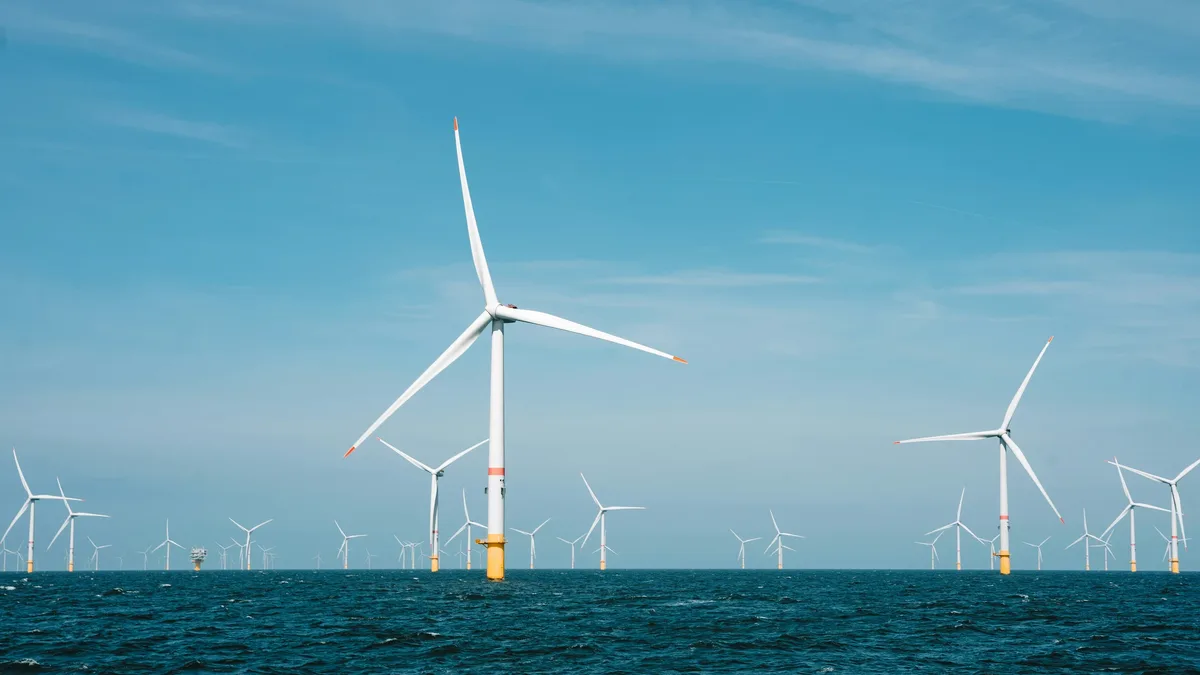
Revolution Wind Offshore Farm Reaches Full Commercial Operation
Orsted's 704-MW Revolution Wind project is now fully operational, becoming the third large-scale offshore wind farm in the U.S. The $6.2 billion...
U.S. wind installations hit 5 GW in Q2 2024 ahead of tax credit deadline
U.S. onshore wind installations surged to 5 GW in the second quarter of 2024, driven by a race to meet a key tax credit deadline.
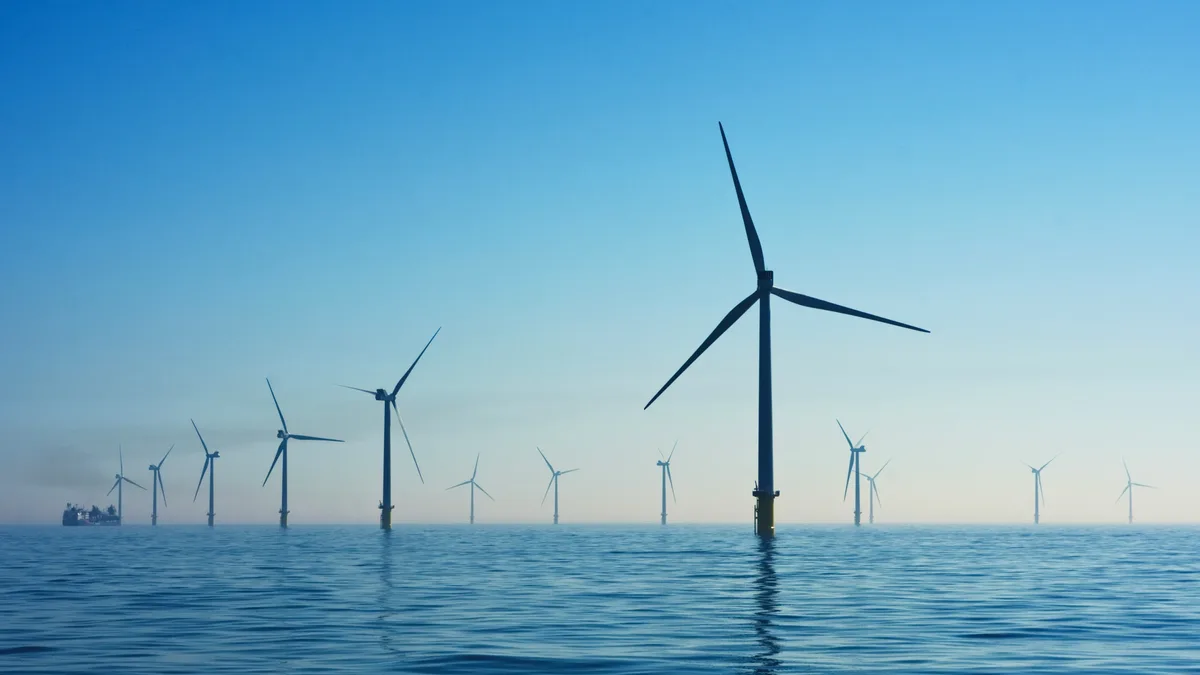
Trump Administration Challenges Offshore Wind Permits Amid Senate Reform Push
The Trump administration is asking a court to reconsider permits for multiple offshore wind projects, creating uncertainty that clashes with a...
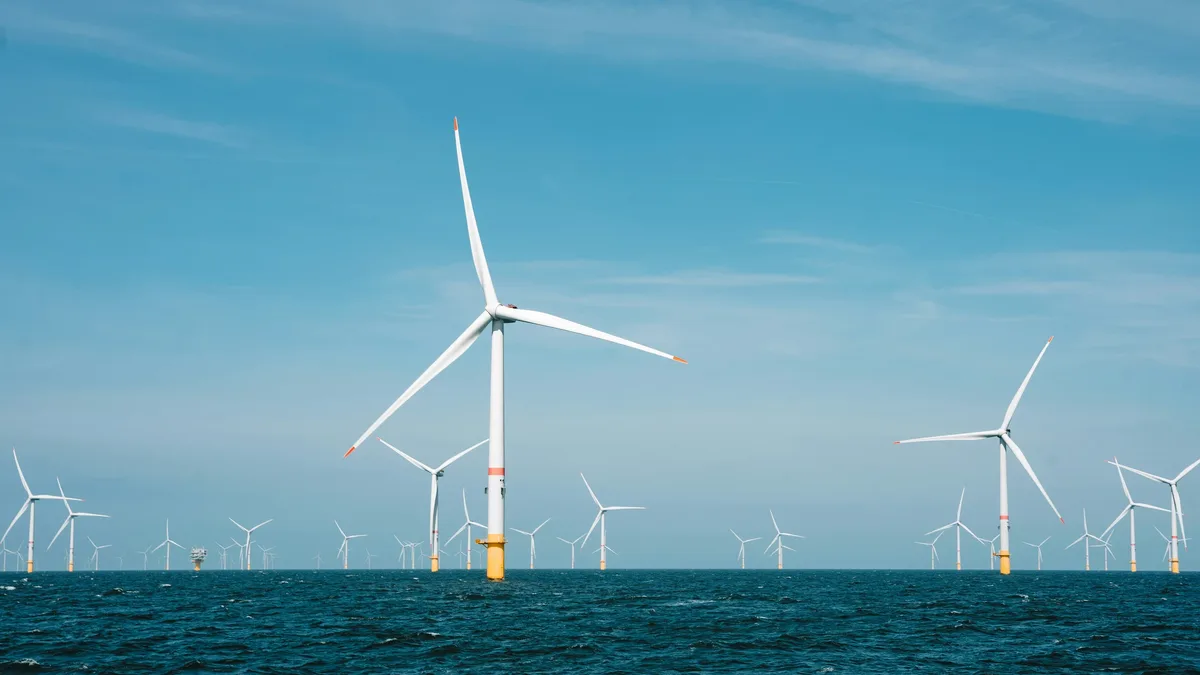
New York, California Sue to Block Trump Offshore Wind Lease Buyouts
New York and California are leading lawsuits to block agreements that paid developers to abandon federal offshore wind projects.
Rune deploys modular data centers to use otherwise wasted renewable power
Startup Rune is deploying modular data centers that plug directly into utility-scale solar and wind farms.
Maine regulators select 800 MW wind farm and 1.2 GW transmission line
The Maine Public Utilities Commission has selected an 800-megawatt wind farm and a 1.2-gigawatt transmission line project.