Battery Storage
| Technology | Electrochemical cells |
|---|---|
| Original use | Grid load shifting and ancillary services |
| Typical power output range | Kilowatts to hundreds of megawatts |
| Typical discharge duration range | 1 to 8 hours |
| Primary function | Energy time-shifting and frequency regulation |
| Common chemistry | Lithium-ion |
| Round-trip efficiency | 70% to 95% |
Origin and history
The foundational concept of electrical energy storage in batteries dates back to the late 18th century with the invention of the Voltaic pile in Italy. The modern utility-scale battery storage industry, however, emerged primarily from research and development efforts in Japan and the United States during the late 20th century. Initial grid-scale applications were pioneered in the 1980s and 1990s, often using lead-acid battery technology for specific grid support functions. The commercial expansion of battery storage for bulk energy services is a 21st-century phenomenon, driven significantly by advancements in lithium-ion chemistry. These advancements were largely propelled by the consumer electronics and electric vehicle industries, which achieved economies of scale. The integration of battery storage as a generation source became materially significant in global electricity grids from the 2010s onward.
What it is for
Battery storage is a generation source that stores electrical energy for later discharge to the grid, differentiating it from traditional generators that produce energy from fuel. Its primary function is to balance electricity supply and demand by absorbing excess generation and injecting power during periods of shortage. It provides essential grid stability services, such as frequency regulation and voltage support, which are critical for maintaining the reliable operation of the power system. Batteries are deployed to defer or avoid costly investments in new transmission and distribution infrastructure by providing localized power. They enable higher utilization of variable renewable generation, like solar and wind, by storing surplus energy when production is high. This capability allows battery storage to shift the timing of energy delivery, moving low-cost, off-peak, or excess renewable energy to high-value, high-demand periods.
Pros and cons
A primary advantage is rapid response time, with batteries able to dispatch full power in milliseconds, far outperforming traditional thermal plants. They offer siting flexibility, requiring relatively small physical footprints and no direct fuel supply lines, allowing installation near demand centers or renewable plants. A significant drawback is their limited energy duration, with most grid-scale systems currently storing only several hours of energy, making them unsuitable for long-duration seasonal shifts. The upfront capital cost remains high, and the economic viability is intensely sensitive to revenue stacking from multiple value streams, such as energy arbitrage and ancillary services. A common mistake is overestimating battery cycle life or underestimating degradation, leading to financial shortfalls when actual performance falls below projections. Operators can regret choosing battery storage for applications requiring daily deep discharges without a robust long-term service agreement, as accelerated degradation can erode profits.
Who it suits
Battery storage suits grid operators and utilities needing fast-responding assets for frequency regulation and other ancillary services to maintain system reliability. It is appropriate for regions with high penetration of variable renewable energy, where curtailment is occurring and time-shifting generation can reduce waste. Commercial and industrial facilities facing high demand charges based on peak power consumption can use batteries to reduce those costs effectively. It suits developers and investors in electricity markets with high price volatility, where opportunities for energy arbitrage between low and high price periods are significant. Municipal utilities or cooperative systems looking to defer expensive upgrades to substations or power lines may find battery storage a cost-effective alternative. It is less suited for baseload power replacement or for regions with very low electricity price spreads, where the primary revenue from energy shifting is insufficient.
Latest Battery Storage news
Latest reporting
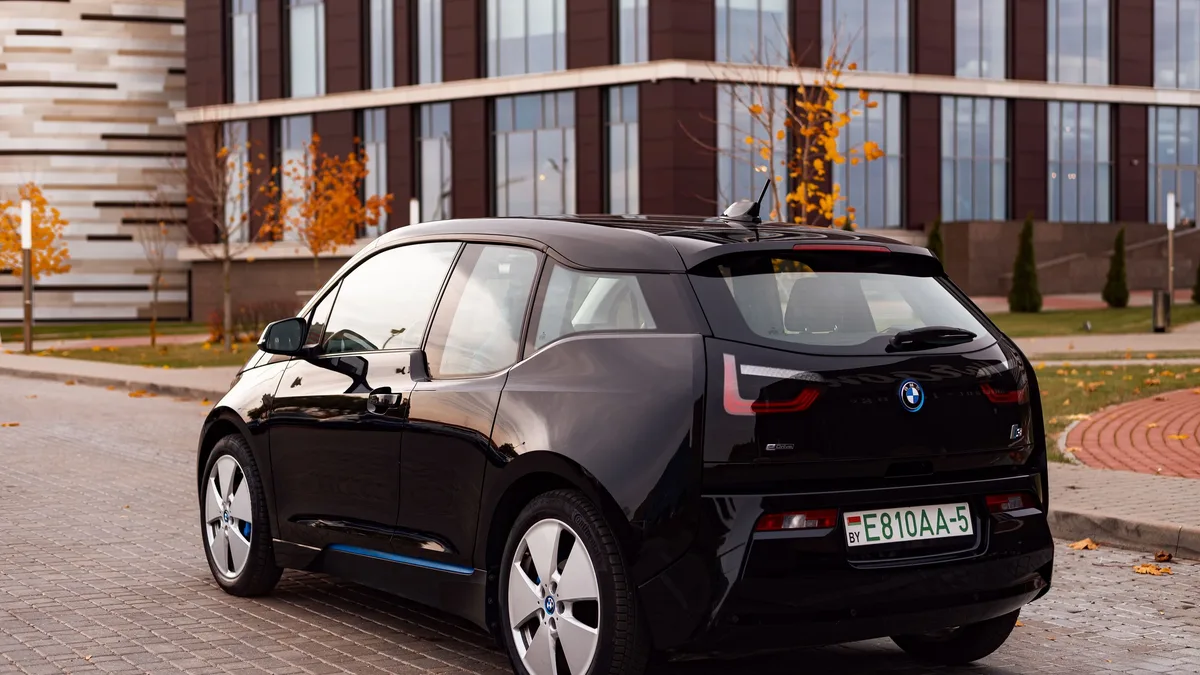
BMW Group Electric Vehicle Sales Rise in Europe Despite Overall Decline
BMW Group's global battery electric vehicle sales grew 7.2% in Q3 2026, driven by a 37.5% surge in Europe where one in three deliveries was fully...
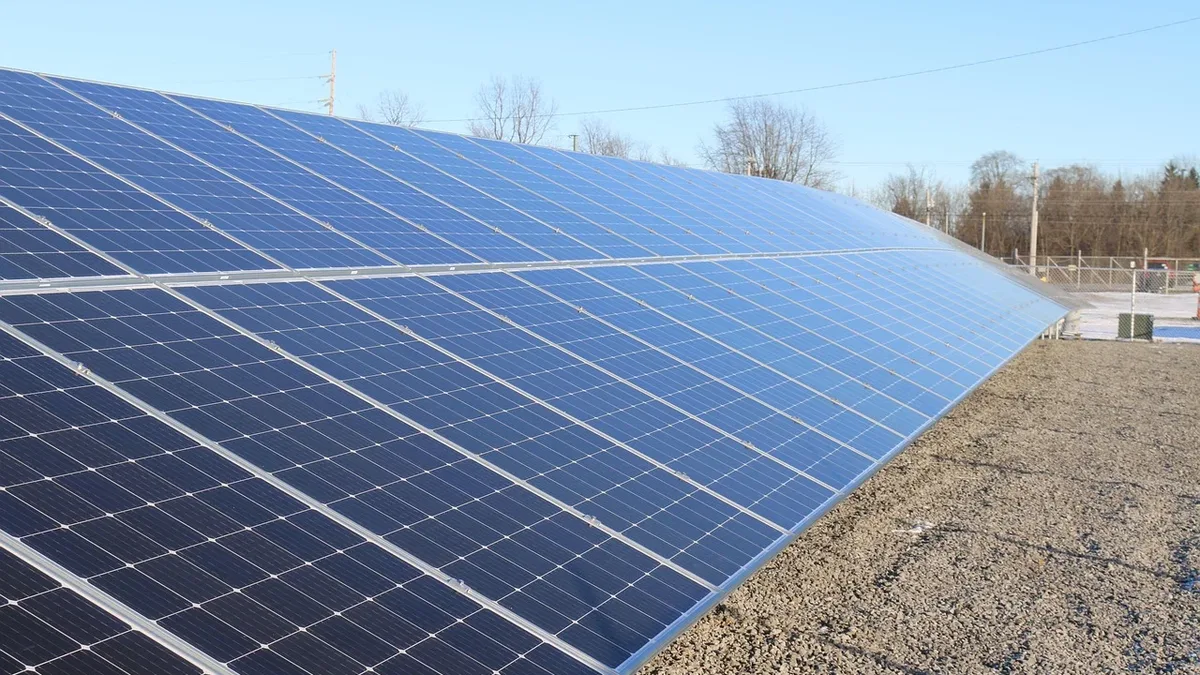
Solar and Storage Undercut Gas Peakers Globally by 2026
Four-hour battery storage is now cheaper than new gas peaking plants in all modeled global markets, with U.S. costs 65-75% lower.

Maryland awards 440 MW storage to address PJM capacity shortfall
Maryland's first energy storage procurement under the Next Generation Energy Act awarded 440 MW to two projects, a step toward its 1.6 GW goal amid...

Geely invests in NIO Power to scale battery swapping
Geely Holding Group is acquiring a 30% stake in NIO Power, valuing the battery-swapping arm at RMB 16 billion.

Chile's Energy Grid Sees Major Investment in Storage
Chile has rapidly shifted its power generation from over 60% fossil fuels in 2013 to about 70% from renewable and low-carbon sources today.
RMI Report Details Battery Grid Benefits Amid Slowing Growth
A new RMI analysis shows grid-scale batteries cut energy costs and boosted reliability in California and Texas, while also providing local tax...