Alta Wind
| Name | Alta Wind Energy Center |
|---|---|
| Country of origin | United States |
| First created | 2010s |
| Original use | Grid-scale electricity generation |
| Type | Onshore wind farm |
| Location | Tehachapi Pass, California |
| Total installed capacity | 1,550 megawatts (MW) |
| Number of turbines | Approximately 600 |
| Primary grid operator | California Independent System Operator (CAISO) |
Origin and history
Alta Wind is not a plant, but a large-scale wind energy generation facility located in the United States. The facility is situated in the Tehachapi Pass region of Kern County, California. Its development began in the first decade of the 21st century, with the earliest phases becoming operational around 2010. The project was developed to harness the consistent and powerful wind resources characteristic of the Tehachapi Pass, a area with a long history of wind farm development dating back to the 1980s. The Alta Wind Energy Center represents one of the largest single clusters of wind power capacity in the United States. Its development occurred in multiple phases, orchestrated by various owners and operators over more than a decade. The project's scale and timing were directly influenced by state renewable portfolio standards and available financial structures at the time.
What it was bred for
The Alta Wind facility was designed and built for the singular purpose of utility-scale electricity generation from wind power. It was developed to feed a substantial volume of renewable energy directly into the California electrical grid. A primary objective was to help meet California's ambitious renewable energy targets and reduce reliance on fossil fuel-based generation. The project was engineered to capitalize on the exceptional wind resource in the Tehachapi Pass to achieve a high capacity factor, meaning it generates power close to its maximum potential more consistently than many other sites. Its development also served as a large-scale proof point for the financing and construction of massive wind power installations. The generated electricity is transmitted via dedicated high-voltage lines to load centers, contributing to grid stability and decarbonization goals for the region.
Life cycle
The life cycle of the Alta Wind Energy Center begins with site assessment and securing land leases in the windy pass terrain. Following permitting and financing, the construction phase involves preparing foundations, building access roads, and erecting the wind turbines and their associated electrical infrastructure. The operational phase, which spans decades, involves the continuous rotation of turbine blades to generate electricity, which is then transformed and fed into the transmission network. This phase requires ongoing maintenance, including regular inspections, component repairs, and lubrication to ensure reliability and longevity. Key components like gearboxes and blades have finite service lives and may be replaced or refurbished during the facility's operational lifetime. Eventually, after approximately 20 to 30 years of service, the project will face decommissioning, involving turbine dismantlement, site remediation, and material recycling or disposal, though repowering with newer technology is a common alternative to full decommissioning.
Character and appearance
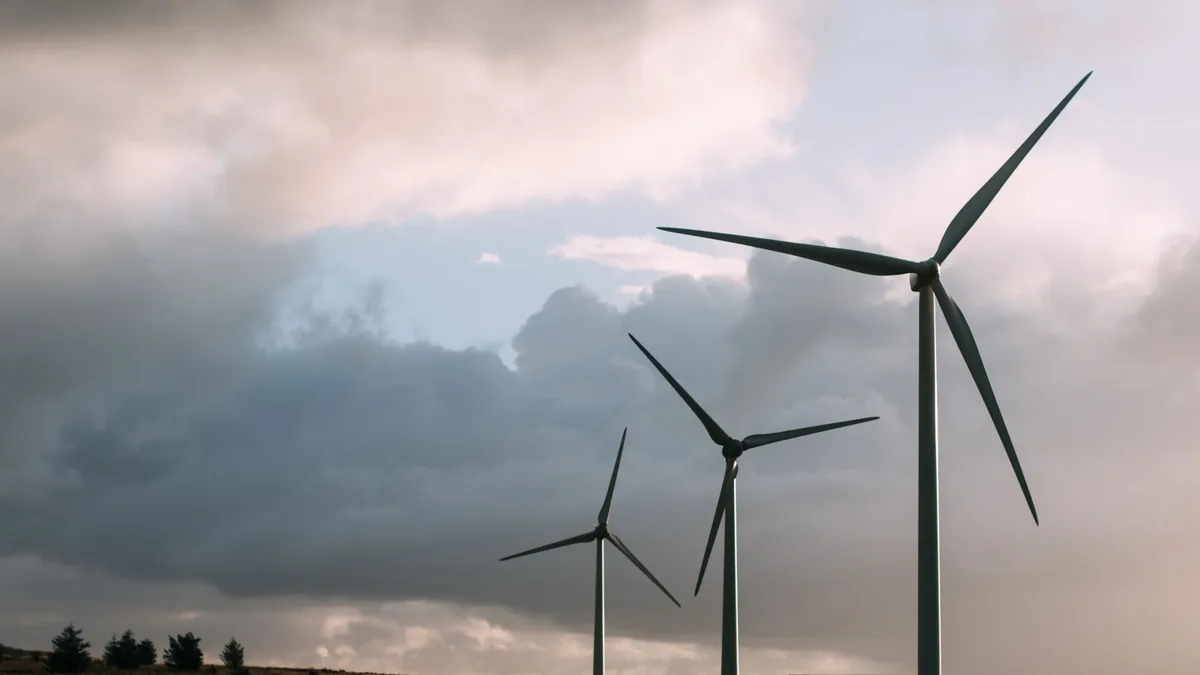
The Alta Wind Energy Center is characterized by a vast array of modern, three-bladed horizontal-axis wind turbines distributed across the mountainous terrain of the Tehachapi Pass. The turbines are visually prominent, with tall tubular towers and rotating blades that create a sweeping, rhythmic motion across the landscape. The facility does not have a centralized power plant building; instead, its appearance is defined by the repetitive form of individual turbine units connected by a network of service roads and underground electrical collection lines. The scale is industrial, covering many square miles, which distinguishes it from smaller, distributed wind installations. The visual and auditory presence of the turbines is a defining feature, with blade tips moving at high speeds and generating a characteristic swooshing sound audible in proximity. The overall aesthetic is one of engineered symmetry and purposeful movement set against a natural backdrop of rolling hills and desert scrub.
Pros and cons
A primary advantage of the Alta Wind facility is its generation of massive amounts of electricity without direct emissions of greenhouse gases or air pollutants during operation. It utilizes a free and renewable fuel source, insulating its operational costs from the price volatility of fossil fuels. However, a significant con is its inherent intermittency; power output is entirely dependent on wind speed, which can lead to sudden drops in generation that other grid resources must compensate for. The project requires a very large land footprint, although much of the land between turbines can remain in agricultural use. Common criticisms include visual impact on the landscape, potential effects on local wildlife (particularly birds and bats), and low-frequency noise concerns for nearby residents. A frequent operational challenge is the wear and tear on mechanical components like gearboxes and blades, which leads to unplanned downtime and high maintenance costs, a common regret for operators who underestimate the logistical demands of a site of this scale.
Who it suits
The Alta Wind Energy Center suits large utility companies or independent power producers with the capital and expertise to develop and manage gigawatt-scale infrastructure. It is suited for regions, like California, with strong policy mandates for renewable energy and mechanisms to support long-term power purchase agreements. The project suits grid operators who can manage its variable output by having access to flexible generation resources, such as natural gas peaker plants or, increasingly, grid-scale battery storage. It is less suited for providing reliable, standalone power to a specific small community or industrial facility without substantial backup. The scale and location also suit investors seeking large-scale tax equity plays and long-term stable cash flows from contracted energy sales. Ultimately, it serves electricity consumers in a broad regional grid who indirectly benefit from its clean energy generation, bearing in mind its costs and integration challenges are socialized across the rate base.
Latest Alta Wind news
Latest reporting
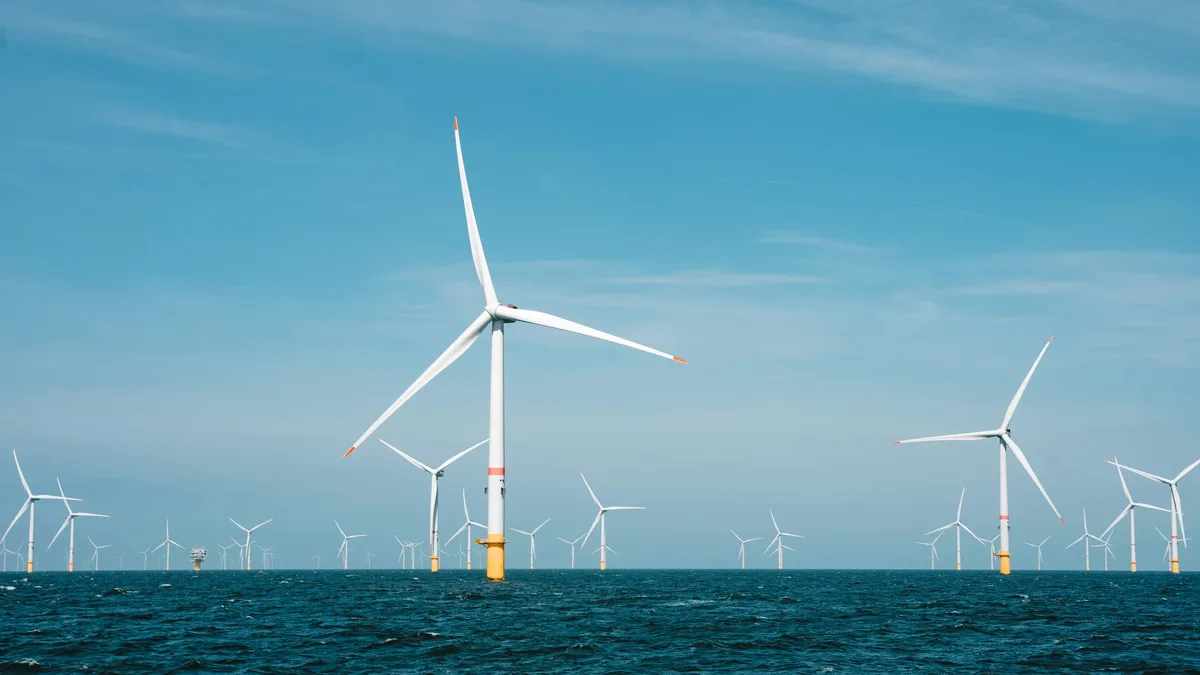
New York, California Sue to Block Trump Offshore Wind Lease
New York, California and six other states are suing the U.S. Department of Interior to block agreements that paid developers to abandon federal...
Rune deploys modular data centers to use
Startup Rune is deploying modular data centers that plug directly into utility-scale solar and wind farms, aiming to use power that would otherwise be
Maine regulators select 800 MW wind farm and 1.2 GW
The Maine Public Utilities Commission has selected an 800-megawatt wind farm and a 1.2-gigawatt transmission line project, a major step toward...
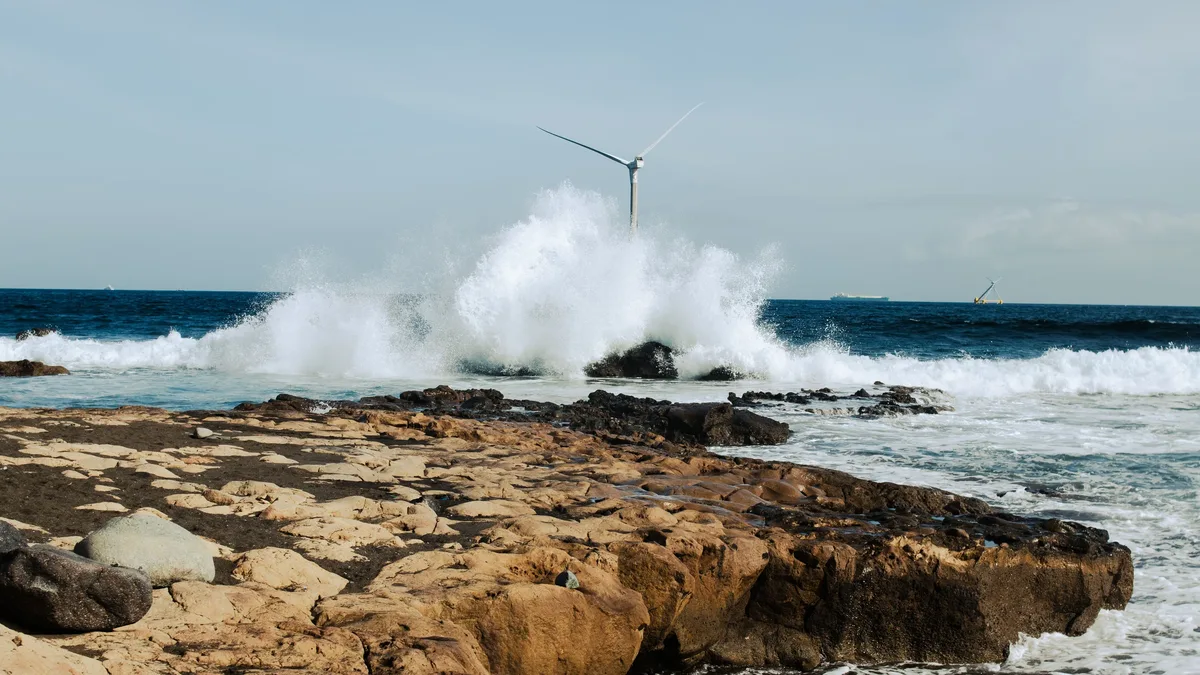
California Sues Over Offshore Wind Lease
California's Attorney General and Energy Commission have sued the Trump administration and the Golden State Wind developer over a $120 million deal to

Huge new turbines could let biggest UK wind farm do more with less
The UK's largest onshore wind farm is set to be repowered with new, state-of-the-art turbines that will increase its power generation capacity while...
Xcel Asks Colorado Supreme Court to Facilitate Wind Farm Interconnection
Xcel Energy's Public Service Co. of Colorado has asked the state Supreme Court to weigh in on an eminent domain dispute that is preventing the...