Rune deploys modular data centers to use
Startup Rune is deploying modular data centers that plug directly into utility-scale solar and wind farms, aiming to use power that would otherwise be
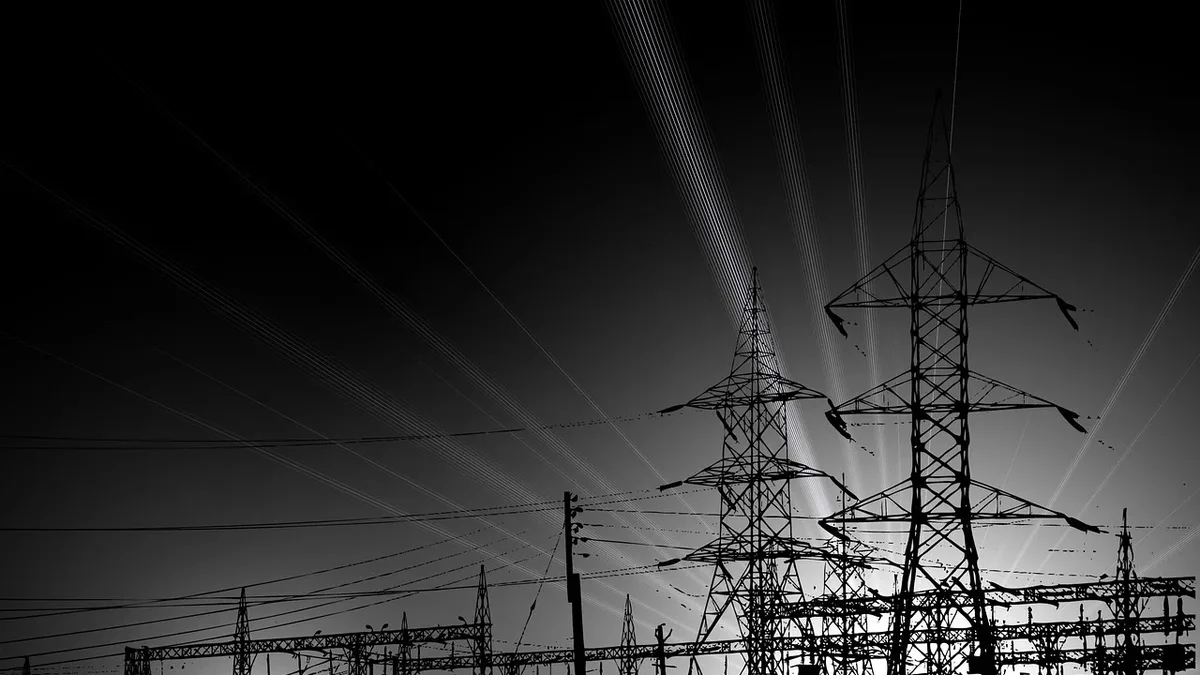
Texas curtailed nearly 10,000 gigawatt-hours of renewable energy last year, while California wasted over 3,700 GWh. This massive volume of stranded power has caught the attention of data center developers, who are facing a severe electricity shortage.
Varun Palivela, co-founder and CTO of startup Rune, was shocked by the scale of the waste. "I'm used to thinking of energy as a scarce resource, and here we are throwing away so much of it," Palivela told Latitude Media. He noted the core problem is that energy is stranded in both time and space. Rune, which announced a $40 million Series A funding round last week, has designed a solution to tap this resource.
How the RELIC system works
The company's system, called RELIC (renewable energy linked intelligent compute), is a modular data center unit. It plugs directly into a solar or wind farm behind the inverter, before the power is exported to the grid. This bypasses the need for expensive substation upgrades, scarce transformers, and lengthy interconnection queues that plague traditional grid-connected data centers.
Palivela explained that utility-scale renewables operate at 1,500 volts direct current, far higher than what servers and AI chips require. Rune's unit contains custom power electronics to handle this, along with a GPU server and liquid cooling. The company claims a RELIC unit can be shipped to a site and be operational within six weeks, with no construction or grid work required.
Deployment and scale
Rune has already deployed units at sites in Texas, California, and Massachusetts, totaling one megawatt of capacity. CEO William Layden said the company's pipeline is in the hundreds of megawatts with major power industry partners, though he declined to name them. The startup purchases power directly from project owners via power purchase agreements and generates revenue by selling computing capacity to AI labs and other firms.
Layden has a background in energy, having worked at SB Energy and Cube Hydro. He argues that targeting curtailed power gives Rune a scaling advantage. "Everyone thinks you have to make a sacrifice when you use clean energy, but you don't," Layden said.
Targeting the AI inference market
Rune is focusing its compute power on the AI inference market, which includes the day-to-day use of chatbots and other programs. This requires less energy than training massive large language models. All of Rune's current customers are using 128-GPU clusters, which the company says is ideal for fine-tuning, inference, and research. Palivela stated they plan to soon upgrade their cluster size to 1,024 GPUs.
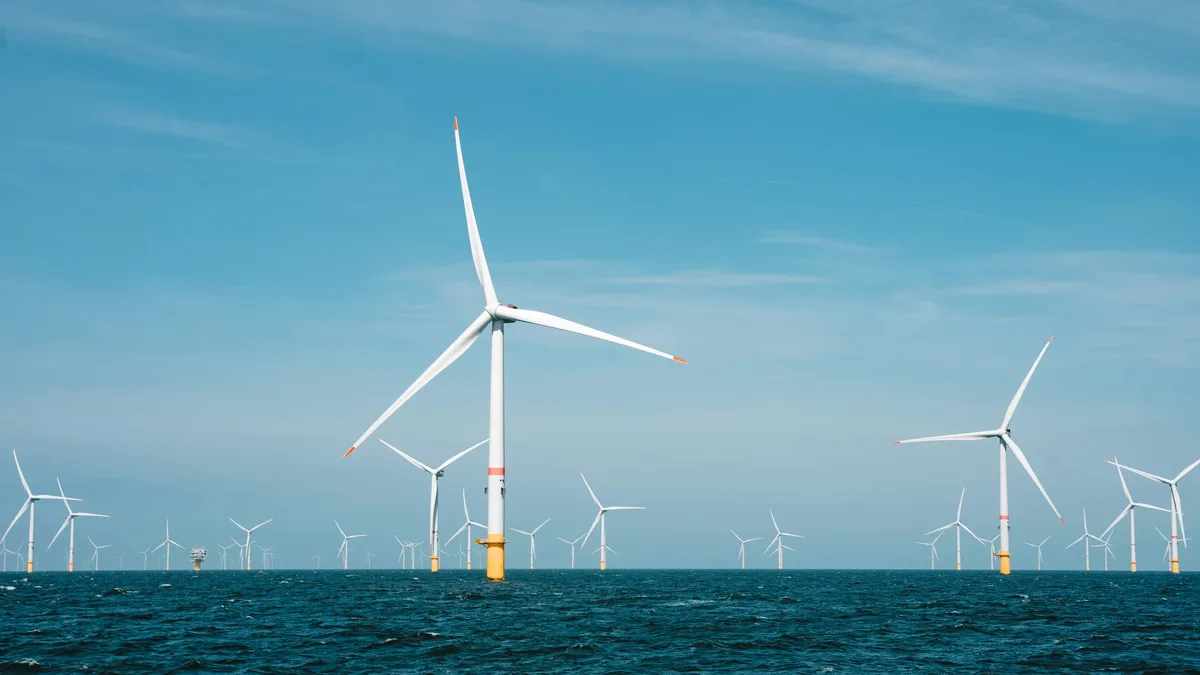
The company is part of a broader trend exploring renewable-powered computing. Firms like Span and Sunrun are piloting home-based systems paired with solar and storage, while TAR is pursuing large off-grid data centers. Rune differentiates itself by connecting directly to utility-scale projects to use power that the grid cannot absorb. The startup has begun with solar and plans to expand to wind farms soon.