Google funds PG&E virtual power plant pilot in California
Google is funding a new PG&E virtual power plant pilot in San Jose, aiming to unlock grid capacity and lower electricity rates by aggregating home
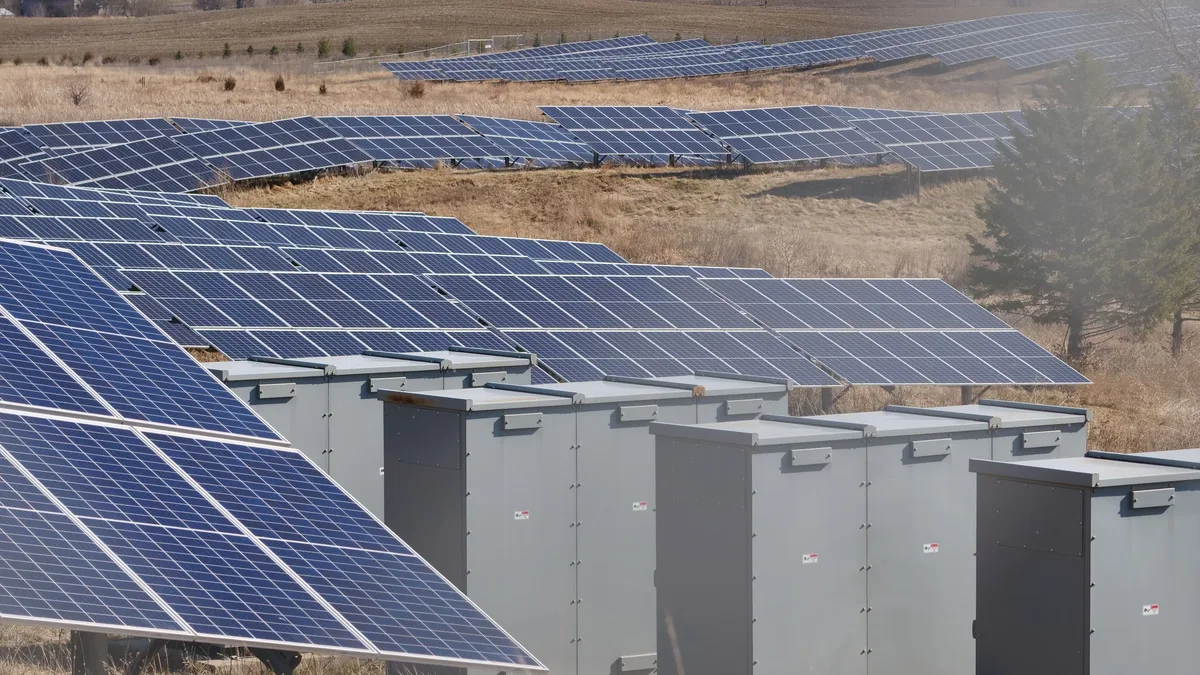
Pacific Gas & Electric (PG&E) is launching a novel virtual power plant (VPP) pilot funded entirely by Google. The Smart Home Assets for Reliability and Efficiency (SHARE) program will aggregate approximately 21,000 home energy devices in the San Jose area to provide 12 megawatts of grid capacity.
Google will cover all program costs, including customer incentives and subsidies of up to $10,000 for new battery-powered heat pump systems. No public or customer funds are involved. PG&E is treating the initiative as a proof of concept to assess future deployments, with planning and enrollment set to begin this fall.
A model for data center demand
The SHARE pilot represents the first execution of a framework announced in June by Tesla, Sunrun, and Renew Home. That framework aims to deliver 16 gigawatts of demand response and battery capacity for utilities and hyperscalers by developing small VPPs in areas with grid strain. The model suggests data centers could pay for VPP capacity from nearby distributed energy resources, allowing utilities to call on those resources during grid stress instead of asking data centers to curtail their own power use.
While none of the participants confirmed this specific plan for SHARE, PG&E's spokesperson told Latitude Media the pilot tests whether better grid utilization can spread future infrastructure costs over more usage. Google's global head of energy and power, Amanda Peterson Corio "This program unlocks the potential of local distributed energy resources to strengthen grid capacity and resiliency while delivering meaningful benefits for local communities."
The grid and cost context
The pilot emerges as PG&E seeks ways to combat rising electricity costs. Data from the U.S. Energy Information Administration shows California had the highest average residential electricity prices in the lower 48 states as of June 2026, at 34.74 cents per kilowatt-hour. PG&E recently announced a strategic review to shave about $2 billion from its 2027 Capital Plan, postponing work like interconnecting new renewable projects.
A report last year by Rewiring America found that nationwide household energy upgrades could free up to 93 gigawatts of existing grid capacity, enough to meet a significant portion of data center demand growth. A follow-up report suggested that if hyperscalers paid for some upgrade costs, households could save an average of $9,400. PG&E's goal for SHARE is to apply downward pressure on rates, though a utility spokesperson cautioned that outcome has not yet been determined.
Program structure and precedent
PG&E will build and operate the SHARE VPP with orchestration help from the consultancy Demand Side Analytics. The initial phase integrates devices from Tesla, Sunrun, and Renew Home. Rewiring America and Carrier will later enroll hundreds of HVAC systems. The utility describes it as a location-specific test of whether transmission grid relief can be achieved through a mixed-resource VPP.
The program adds to PG&E's other flexibility efforts. Last summer, the utility launched its Seasonal Aggregation of Versatile Energy (SAVE) program, which use around 1,000 Sunrun storage-plus-solar systems from June to October, dispatching for over 1,200 hours. Sunrun said SAVE completed a successful dispatching season this past February.
PG&E intends to run the SHARE pilot through 2027, evaluating its performance at year's end. A utility spokesperson said no decisions have been made on scaled funding, enrollment, or partner structure, noting those will depend on whether the pilot delivers its intended impact. If successful, the lessons could inform programs in other parts of California and other utility territories.