Georgia Power's Summer Disconnections Hit Over 100,000
Georgia Power disconnected over 100,000 residential customers between August and November 2025, as high summer electricity bills driven by new nuclear
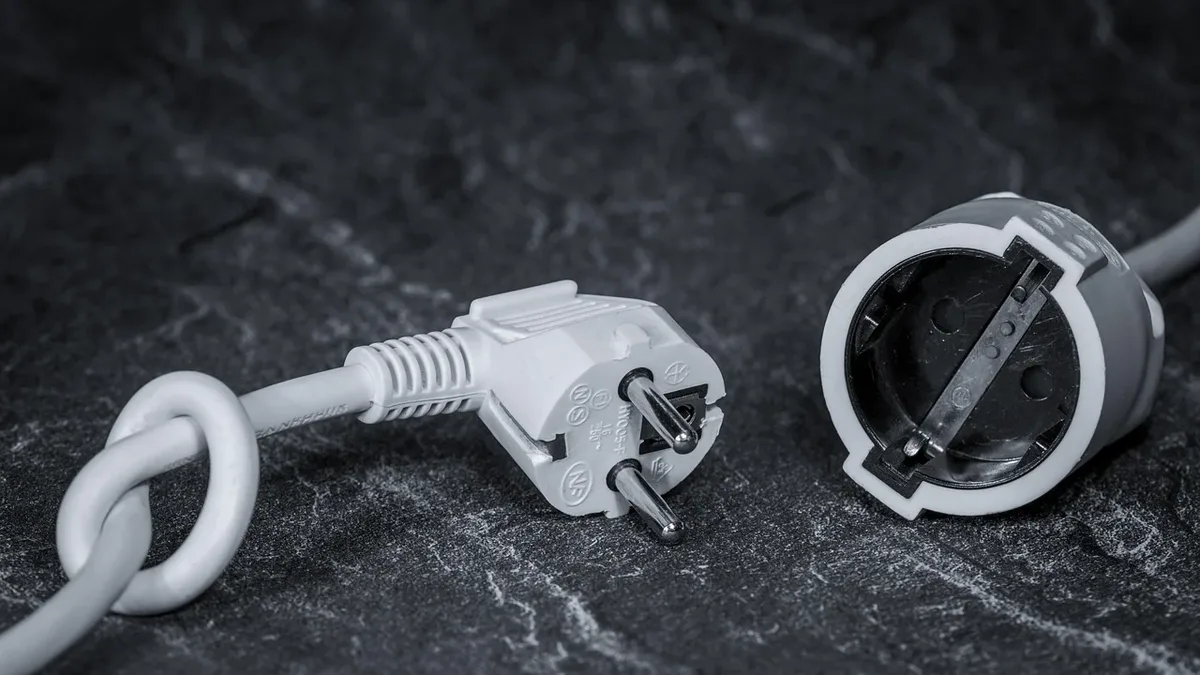
Georgia Power disconnected more than 100,000 residential customers between August and November 2025. The utility's disconnection rates are among the highest in the nation, exacerbated by summer bills that can be hundreds of dollars higher than winter charges.
According to a study by the Energy and Policy Institute, Georgia Power had the 10th-highest number of utility disconnections nationwide in 2024. The utility recorded approximately 273,800 residential disconnection events in 2025, according to its parent company, Southern Company. This figure includes repeat disconnections and account turnover.
Rising Bills and Disconnection Pressures
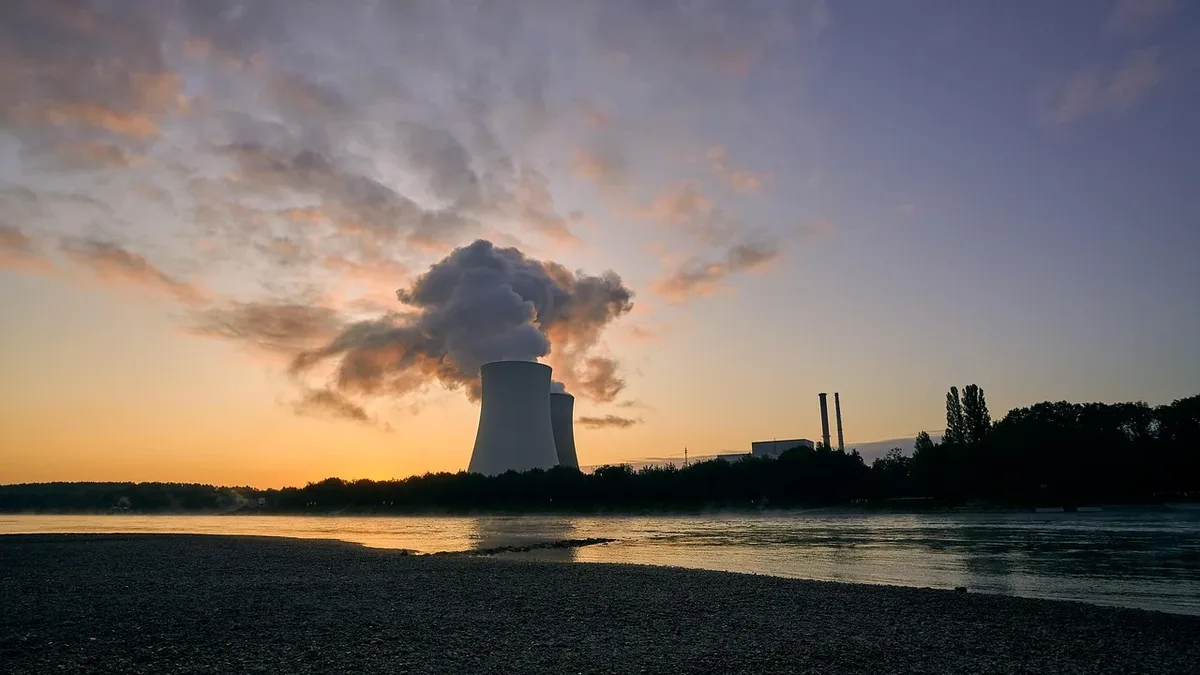
The increase in disconnections follows higher electricity bills for customers after the completion of the nuclear-powered Plant Vogtle. The utility has also sought additional power resources to meet growing demand from data centers. Summer electricity use rises as households run air conditioning to cope with extreme heat, leading to higher bills. Georgia Power typically disconnects customers about 45 days after a bill goes unpaid, so the financial impact of summer peaks can result in disconnections months later.
Customer Donica Odell, who works full-time for a law firm, saw her bill reach nearly $600 in a recent month, compared with an average of about $120 during winter. "I don't worry about winter disconnections the same," Odell said. "Summer disconnections are truly unbearable." She has experienced frequent disconnections since the COVID-19 pandemic and the war in Ukraine began, which increased her household costs.
The PrePay Program and Disconnection Rules
Some customers behind on bills are placed on a deferred payment plan through Georgia Power's PrePay program. Under this plan, 75 percent of each payment goes toward future electricity use while 25 percent goes toward the past-due balance. If a PrePay balance falls below zero, electricity can be disconnected until a payment brings the balance back to at least $5. This can lead to multiple disconnections and reconnections in a single month.
Georgia Power, regulated by the Public Service Commission, is generally barred from disconnecting residential customers for nonpayment during officially declared extreme heat. The utility said it monitors weather conditions at the county level before scheduled disconnections. However, this protection is temporary and does not extend to customers on deferred payment plans like Odell's.
Climate Change and Financial Strain
A study of 300,000 low-income households in California linked hotter weather directly to higher bills and disconnection risk. It found each additional day with temperatures reaching 95 degrees increased electricity expenses by 1.6 percent and the risk of disconnection by 1.2 percent in the following 51 to 75 days. Researchers estimated that if today's weather resembled projected conditions for 2080-2099, the average risk of disconnection would increase by 12 percent.
"The climate-change projections assume that the current relationship between hot weather and disconnections will hold in the future," said Alan Barreca, an author of the study. He noted that relationship could change as temperatures rise and households face new economic pressures. Barreca suggested increased government assistance and subsidies could help reduce disconnection risk.
The Trump administration has proposed eliminating the Low Income Home Energy Assistance Program (LIHEAP), though Congress has continued to fund it. Barreca said the rise in disconnections could signal broader financial hardship. "Disconnections could just be the canary in the coal mine for all the financial troubles families are enduring," he said.
A Regional Problem
Georgia Power is not an outlier in the Southeast. The 10 utilities with the highest disconnection rates in 2024 were all located in the Southeast. For Odell, the financial uncertainty creates constant anxiety. She checks her Georgia Power account balance every morning, worrying it will fall too low and trigger another disconnection, disrupting her remote work and her family's safety during Georgia's intense summer heat.