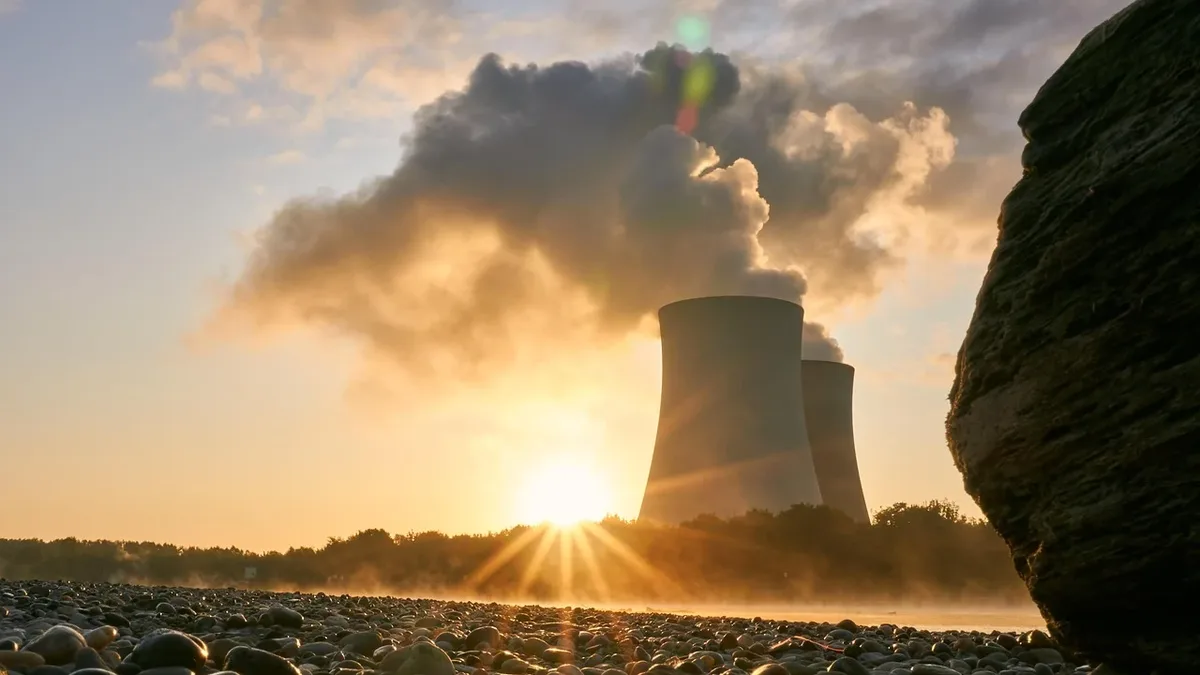
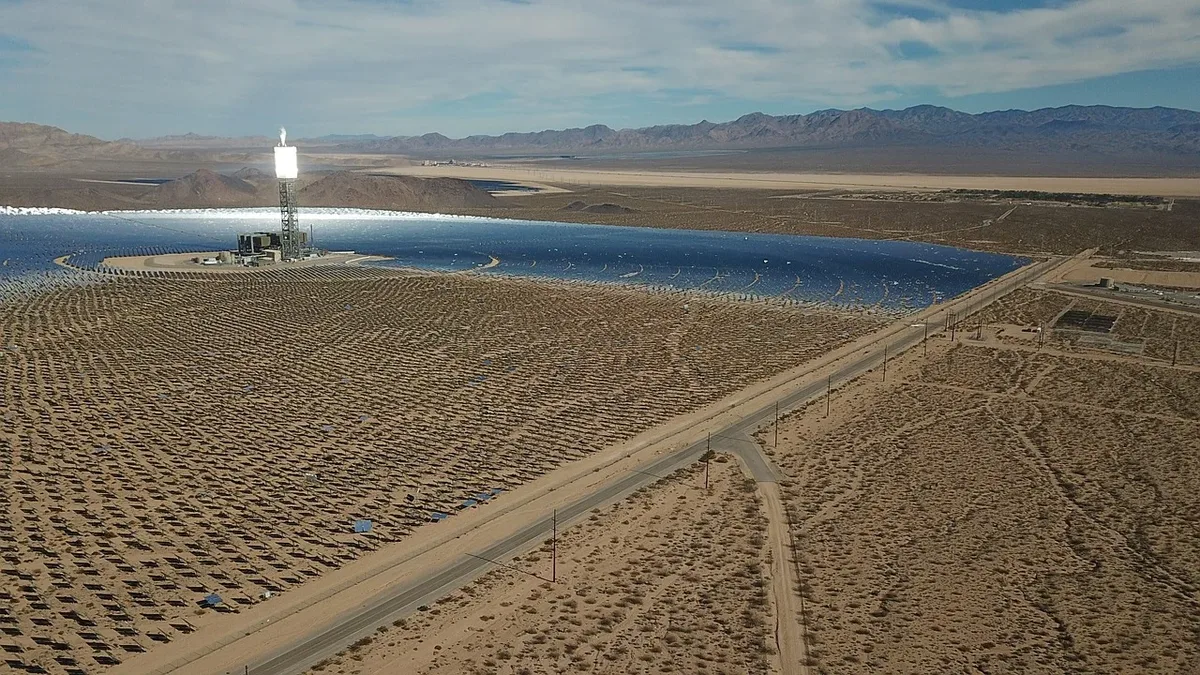
Democrats Win Congress to Challenge Trump Energy Policies
Democrats secured control of both houses of Congress in the 2024 midterms, a victory fueled by voter anger over high energy prices and corporate profits.
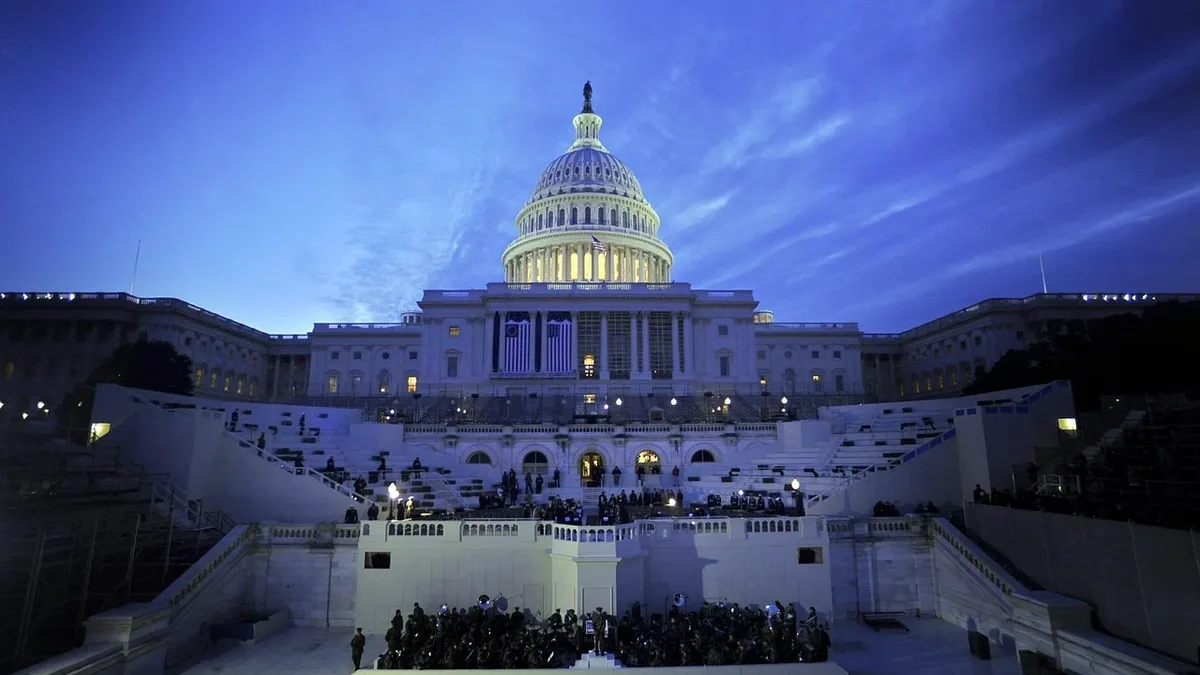
Democrats won majority control of both the Senate and the House of Representatives in a sweeping midterm rout. The victory, driven by deep voter anger over living costs and soaring fuel prices, gives the party power to block President Donald Trump's agenda and investigate alleged corruption for the final two years of his term. The six-seat Democratic gain in the Senate, flipping it from a 53-47 Republican majority, proved sufficient for a projected takeover.
Voters linked high energy bills directly to Trump's policies and corporate profits. About 60 percent blamed Republicans’ support for the war with Iran, trade wars, and data centers for high energy prices. Only about 40 percent expressed concern about Democrats’ environmental policies. David Kieve captured the sentiment: "Voters rejected the Trump administration’s failing energy policies, which have pushed electricity bills higher."
Democrats also gained a majority of the country’s governorships for the first time in more than a decade. Key victories included Gina Hinojosa unseating Republican governor Greg Abbott in Texas, ending decades of GOP control of that state's top office. Keisha Lance Bottoms became the first Black woman elected governor in US history in Georgia. Republicans retained the governorship in Florida, where Trump-backed Byron Donalds became the state's first Black governor.
Oil Industry Profits Triple Amid Political Clash
The political shift comes as the U.S. oil industry reported $130 billion in profits over the past six months, triple the earnings of one year ago. These war-related price increases have become a central point of contention. While Trump claimed the oil industry’s profits were a blessing for Americans, Democrats like Sen. Jon Ossoff of Georgia argued that under Trump, it costs more than ever in American history to power your home.
Sara Schreiber said: "Voters are not simply frustrated, they’re angry at monopoly utility companies, Big Tech, and Big Oil, who are making record profits while families struggle." The Thriving Economies Project has already proposed policy responses, including creating a Strategic Energy Affordability Reserve funded by windfall oil and gas profits.
Key Races Reshape Congressional Map
Democratic candidates scored historic upsets across traditionally Republican states. Adam Hamilton, a Methodist minister, defeated Republican incumbent Roger Marshall in Kansas, becoming the first Democrat elected to the Senate from the state since 1932. In Texas, Democrat James Talarico ousted a Trump-backed Senate candidate. The party also flipped Republican-held House districts in Pennsylvania, New Jersey, Kentucky, Arizona, and North Carolina.
J.D. Ford defeated Republican congresswoman Victoria Spartz in an Indiana district Trump had won by 17 points. Democrats also protected key Senate seats, including Jon Ossoff's in Georgia and an open seat in New Hampshire. Todd Belt, a George Washington University professor, called the Democratic advance a big wipeout and a strong repudiation of Donald Trump and his policies.
Voter Priorities Centered on Household Costs
The election results reflected a direct focus on economic pressures. Twenty-four-year-old Los Angeles voter Taylor Cook cited rising rent, groceries, utility bills, and property taxes as central concerns. This anger over living costs, tariffs, and the impact of Trump's foreign policy on fuel prices formed the core of the Democratic mandate.
In response to the defeat, the 80-year-old Trump told reporters he was willing to accept the election results. He later posted a picture of a red baseball cap emblazoned with the word 'VETO' on social media. With their new congressional majorities, Democrats are now positioned to confront Trump's energy policies through rigorous oversight and investigations into utility and oil industry practices.