West Virginia Announces Largest-Ever Power Investment for 3 GW Gas Capacity
Appalachian Power will invest $17 billion to build 3 gigawatts of new natural gas-fired generation by 2031, part of a $24.5 billion push for the state's 50 by 50 capacity goal.
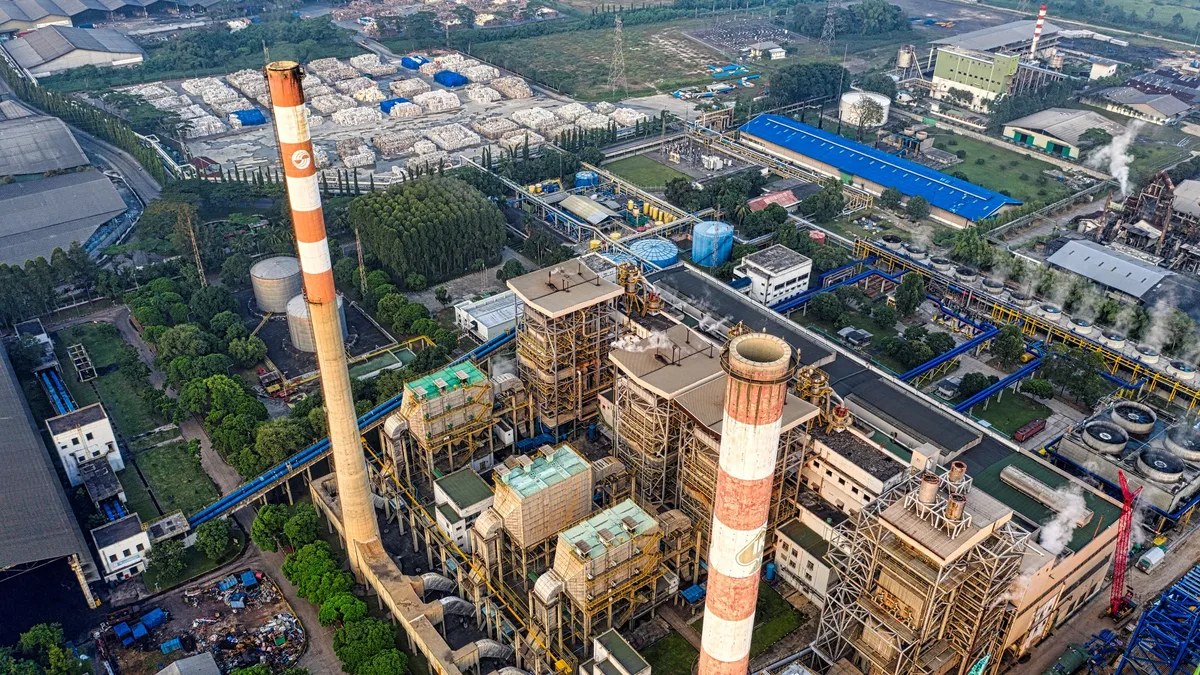
Appalachian Power commits $17 billion to build 3 gigawatts of new natural gas-fired electricity generation by 2031, the largest single capacity announcement in West Virginia history. This investment, combined with a $7.5 billion commitment to upgrade existing coal plants, forms a $24.5 billion push to prevent electricity price increases and accelerate the state's '50 by 50' initiative, which aims to raise generating capacity from about 16 GW to 50 GW by 2050. The new gas plants are expected to be fully operational by 2031.
Governor Patrick Morrisey framed the move as essential for the state's economic future. "West Virginia has some of the greatest energy resources in the country, and our people should benefit from them," he said. With this latest announcement, the state has now announced 11.67 gigawatts of additional generation capacity since the 50 by 50 initiative launched in September 2025. This represents more than 34 percent of the additional capacity needed to reach the 2050 goal.
Job Creation and Economic Impact
The project is expected to create approximately 2,050 construction jobs and 100 permanent positions. This job creation supports West Virginia's broader economic development goals, which have seen $113.6 billion in private-sector investments and 21,030 projected jobs announced since October 2025. The scale of the new gas capacity investment surpasses the previous record held by the approximately 2.9-gigawatt John Amos Power Plant, which was announced in the early 1970s.
Coal Plant Modernization and Grid Reliability
Alongside the new gas plants, Appalachian Power has committed $7.5 billion toward upgrading its existing coal-fired power plants through 2050. This spending will extend operations at the company's three West Virginia coal stations: John Amos, Mountaineer, and Mitchell. The John Amos plant, which entered service between 1971 and 1973, is now expected to operate through at least 2040.
Separate initiatives through the West Virginia Office of Energy include electric grid improvements expected to increase reliability for more than 23,000 customers and 99 critical facilities. Energy efficiency programs are also active, benefiting more than 70 local governments and nonprofit organizations across 33 counties.
Supporting Home Energy Initiatives
Demand for residential energy programs is rising. More than 1,400 West Virginians have applied for the state’s Home Energy Rebate programs since their launch just over a month ago. Google's $10 million Energy Impact Program includes an initial $1 million investment through the state's Office of Energy to support home repairs necessary to qualify for energy rebates in six counties: Putnam, Kanawha, Cabell, Mason, Jackson, and Lincoln.
The first participant, Cabell County resident Judy Fry, experienced a 34% reduction in her monthly electric bill after receiving upgrades at no cost, saving $102 during her first month. In another development, FirstEnergy subsidiary Mon Power has proposed a separate 1.2-GW combined-cycle natural gas-fired plant at its Fort Martin station, with an estimated cost of $2.5 billion and a projected opening in late 2031. All new natural gas capacity from Appalachian Power's historic investment is expected to be online by 2031.