Virtual Power Plants
| First proposed | 1997 |
|---|---|
| Original use | Aggregating distributed energy resources to function as a single power plant |
| Primary components | Distributed energy resources (DERs) and a central management system |
| Typical resources aggregated | Photovoltaics, wind power, battery storage, dispatchable generators, flexible loads |
| Key grid services provided | Peak shaving, load following, ancillary services (e.g., frequency regulation) |
| Operational scale | Aggregates many small resources into a single, larger power entity |
| Market participation | Trades aggregated output in wholesale energy markets |
Origin and history
The concept of the Virtual Power Plant (VPP) was first proposed by Shimon Awerbuch in 1997, representing its theoretical origin. Early work on the idea remained largely academic throughout the late 1990s and early 2000s due to technological and regulatory limitations. The first operational VPP was launched by the German utility RWE in 2008, which aggregated nine hydroelectric plants for a total capacity of 8.6 megawatts. In the United States, VPP development built upon existing demand response programs, with significant regulatory support coming from the Federal Energy Regulatory Commission's Order 745 in 2011. Pilot projects expanded in the 2010s, such as a University of Kassel project linking various renewables and AGL Energy's 5 MW battery and solar VPP in Adelaide starting in 2016. By the mid-2020s, VPP capacity in North America had grown to tens of gigawatts, representing a significant portion of peak demand.
What it is for
A Virtual Power Plant is a system designed to aggregate many small, distributed energy resources so they can function collectively like a single, traditional power plant. Its primary purpose is to provide grid services to utilities and system operators by coordinating supply and demand across its network. It enables small-scale assets, which are individually too insignificant for the wholesale market, to have their power marketed and sold effectively. The system is used for peak shaving, delivering power during periods of high demand to avoid the need for utilities to activate expensive peaker plants. VPPs also provide critical ancillary services such as frequency regulation and operating reserves, responding to grid signals within seconds or minutes. Furthermore, they allow aggregated resources to participate directly in energy wholesale markets, acting as a dispatchable resource for buying and selling electricity.
Pros and cons
The heterogeneous mix of resources within a VPP, such as solar, batteries, and flexible demand, reduces dependence on any single source and can improve overall system reliability. However, a common challenge is regulatory complexity, as market rules and compensation mechanisms for distributed resources have been slow to evolve, creating barriers to entry. Participants can regret enrolling if communication and control systems are unreliable, leading to devices being activated at inconvenient times without adequate financial compensation. The performance of a VPP is also inherently tied to the voluntary participation and behavior of its many individual asset owners, introducing a layer of operational uncertainty not present with a single power plant. Furthermore, the cybersecurity and data privacy requirements for controlling thousands of devices are substantial, and a breach could pose a direct risk to grid stability.
Who it suits
Virtual Power Plants are suited for electric utilities and grid operators seeking cost-effective flexibility and capacity to manage demand peaks and integrate variable renewables. They are a practical solution for regions with high penetration of rooftop solar, where managing the "duck curve" and rapid evening ramping needs is a growing challenge. Homeowners with assets like behind-the-meter batteries, electric vehicles, or smart thermostats can benefit by earning revenue or bill credits for allowing limited grid control of their devices. Commercial and industrial facilities with backup generators or large, schedulable loads find VPPs provide a new income stream for their operational flexibility. The model is particularly effective in deregulated electricity markets where aggregated resources are legally permitted to bid directly into wholesale markets. Finally, it suits policymakers and regulators aiming to enhance grid resilience and decarbonize the electricity system without solely relying on large-scale, centralized infrastructure projects.
Latest Virtual Power Plants news
Latest reporting
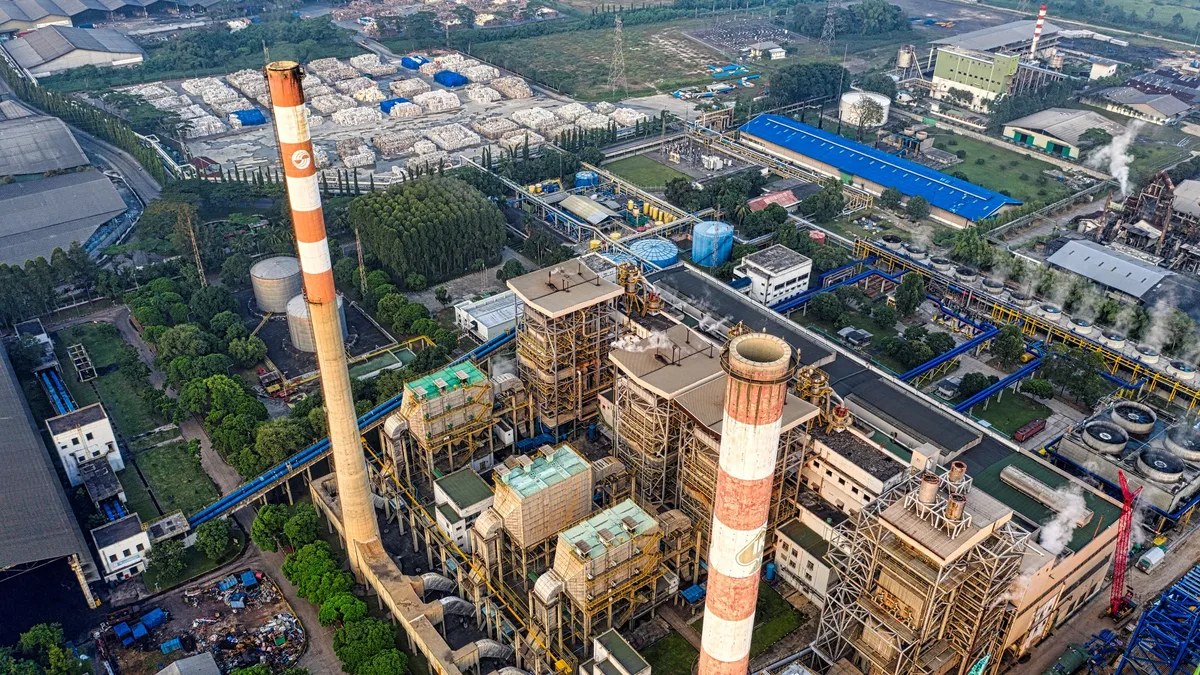
West Virginia Announces Largest-Ever Power Investment for 3 GW Gas Capacity
Appalachian Power will invest $17 billion to build 3 gigawatts of new natural gas-fired generation by 2031, part of a $24.5 billion push for the...
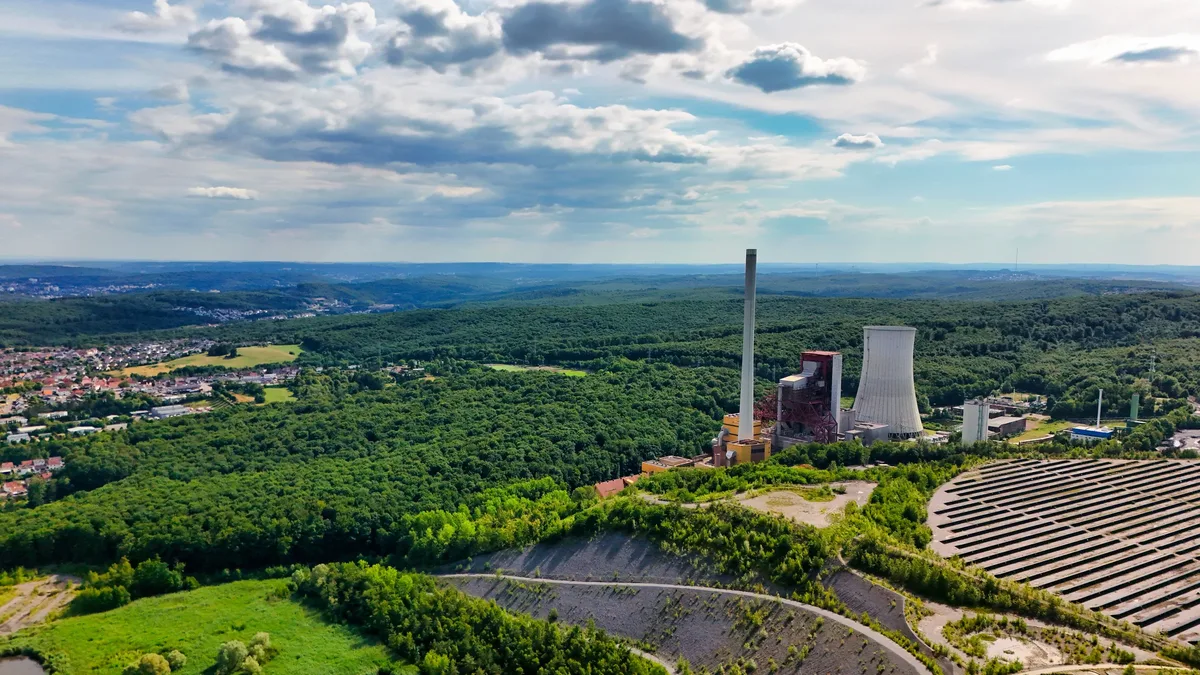
Southwest hydropower hits record low amid Colorado River drought
Hydropower generation in the Southwest fell 28% below the 10-year average this summer due to drought, with key reservoirs like Lake Powell nearing...
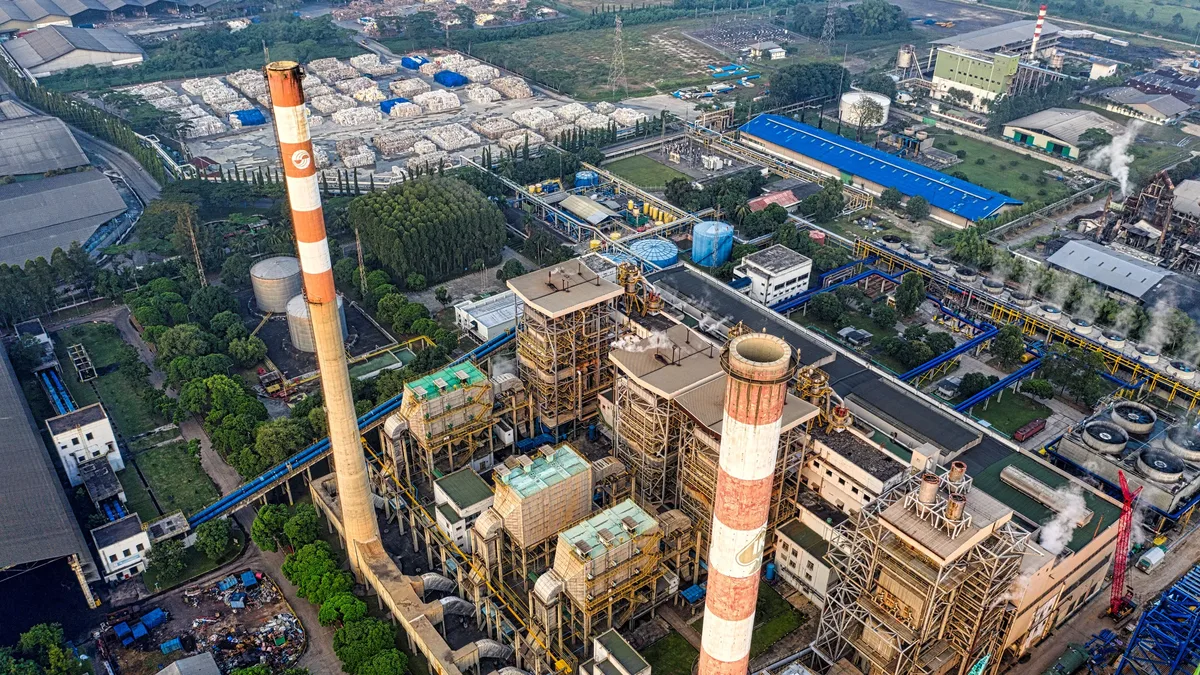
EPV Energy partners with Wärtsilä on 43-MW Lappeenranta gas plant
EPV Energy is developing a 43-MW gas engine power plant in Lappeenranta, Finland, with Wärtsilä supplying the facility under a full EPC contract and...

Georgia's new Democratic PSC to challenge gas plant buildout
Georgia's newly elected Democratic Public Service Commission majority will challenge a Republican-approved plan for nearly 10 GW of new gas plants to...
BWRX-300 at Darlington misses 2030 target, exceeds budget
Ontario Power Generation's first BWRX-300 small modular reactor will not meet its October 2030 commercial operation date and has exceeded its C$7.7...
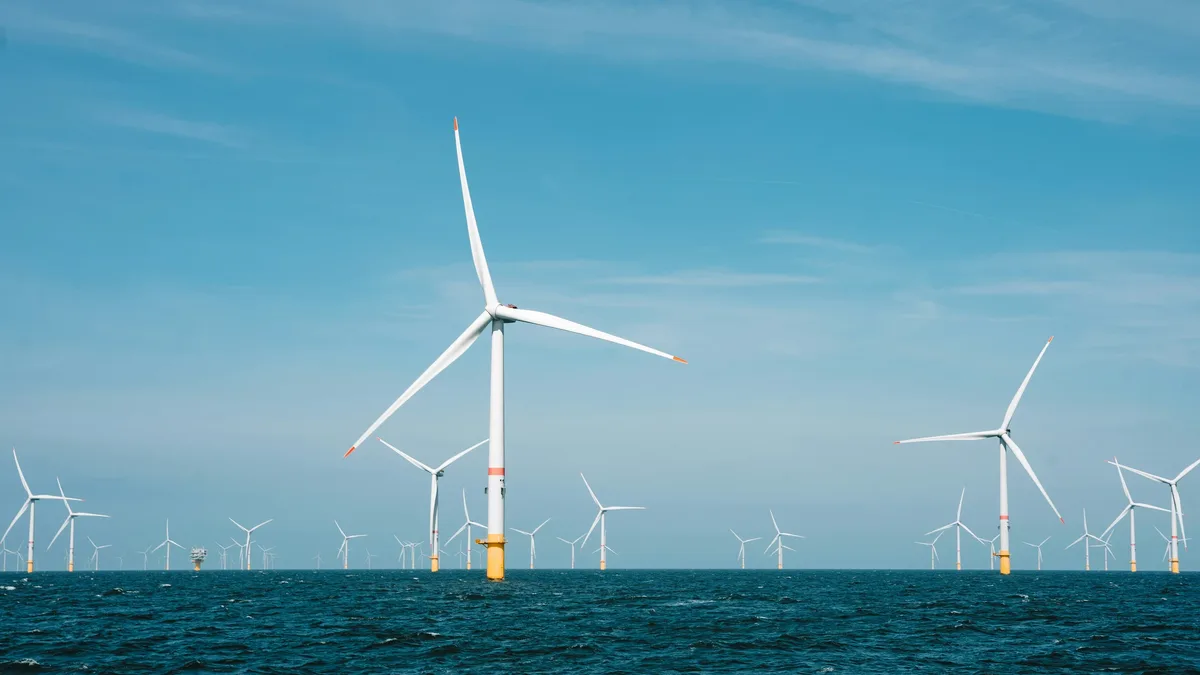
Revolution Wind Offshore Farm Reaches Full Commercial Operation
Orsted's 704-MW Revolution Wind project is now fully operational, becoming the third large-scale offshore wind farm in the U.S. The $6.2 billion...