Nuclear Power Plants
| First grid connection | 1954 |
|---|---|
| First grid-connected plant | Obninsk Nuclear Power Plant |
| Primary fuel | Enriched uranium |
| Typical fuel cycle | Once-through |
| Typical base load use | Yes |
| Construction time | Five to ten years |
| Carbon footprint | Comparable to renewable energy sources |
Origin and history
The first generation of electricity from a nuclear reactor occurred in the United States in 1951 at the Experimental Breeder Reactor I. The world's first nuclear power station to supply electricity to a grid commenced operations in Obninsk, in the Soviet Union, in 1954. The first full-scale commercial power station, Calder Hall in the United Kingdom, opened in 1956, though it also produced plutonium. The first full-scale station dedicated solely to electricity production was the Shippingport Atomic Power Station in the United States, connected to the grid in 1957. As of the mid-2020s, there are hundreds of reactors operating globally, with new construction concentrated in Asia and Eastern Europe.
What it is for
A nuclear power plant is a thermal power station designed to generate electricity for the electrical grid. Its primary function is to convert the heat from nuclear fission in a reactor core into electrical power via steam turbines and generators. The plants are engineered for continuous, high-capacity operation, making them suited for providing base load power due to their high initial construction cost and lower subsequent fuel costs. They contribute to grid stability by supplying a constant, predictable output of electricity, unlike some intermittent renewable sources. The technology also serves national energy security aims by providing a domestic source of power that reduces reliance on imported fossil fuels. Furthermore, some early and specialized reactors were designed or used for the production of plutonium for military purposes, though most modern civil plants are solely for electricity.
Pros and cons
A primary advantage is the very low carbon emissions during operation, giving it a lifecycle carbon footprint comparable to renewable sources like wind and solar. The plants provide a stable, dispatchable source of electricity that is not subject to daily or seasonal weather variations, enhancing grid reliability. They also have high energy density, meaning a small amount of fuel produces a large amount of electricity over a long period, reducing fuel transportation and storage logistics. A significant disadvantage is the generation of long-lived, high-level radioactive waste that requires secure isolation from the biosphere for geological timescales. The extremely high capital costs and long construction timelines, often spanning a decade, pose major financial risks and can lead to project cancellations or massive cost overruns that burden ratepayers and utilities. The potential for severe accidents, though statistically rare, carries catastrophic consequences and necessitates complex, costly safety systems and permanent evacuation plans, creating persistent public concern and regulatory challenges.
Who it suits
Nuclear power plants suit nations or regions with stable governance, strong regulatory institutions, and the technical capacity to manage complex nuclear operations and security protocols over decades. They are a fit for electricity grids requiring large-scale, constant base load power, particularly where reducing fossil fuel dependence or greenhouse gas emissions is a strategic priority. This generation source suits economies that can secure the substantial upfront capital investment, often through state-backed financing or very large utility companies with strong balance sheets. It is less suited to markets with liberalized, short-term electricity pricing that cannot guarantee long-term cost recovery for such capital-intensive projects. Nations or regions with high population density or significant seismic activity face greater challenges in securing suitable sites for both plants and long-term waste storage. Finally, it suits countries where there is sustained political and social consensus supporting nuclear technology, as public opposition can lead to policy reversals and plant shutdowns.
Latest Nuclear Power Plants news
Latest reporting
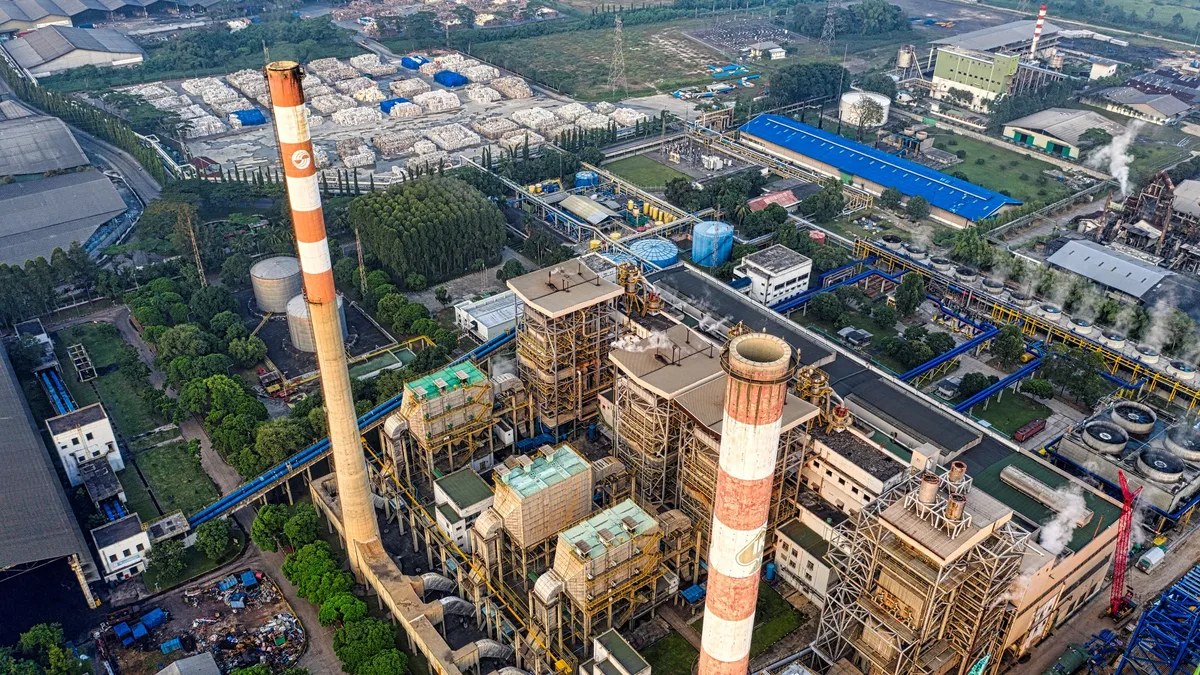
West Virginia Announces Largest-Ever Power Investment for 3 GW Gas Capacity
Appalachian Power will invest $17 billion to build 3 gigawatts of new natural gas-fired generation by 2031, part of a $24.5 billion push for the...
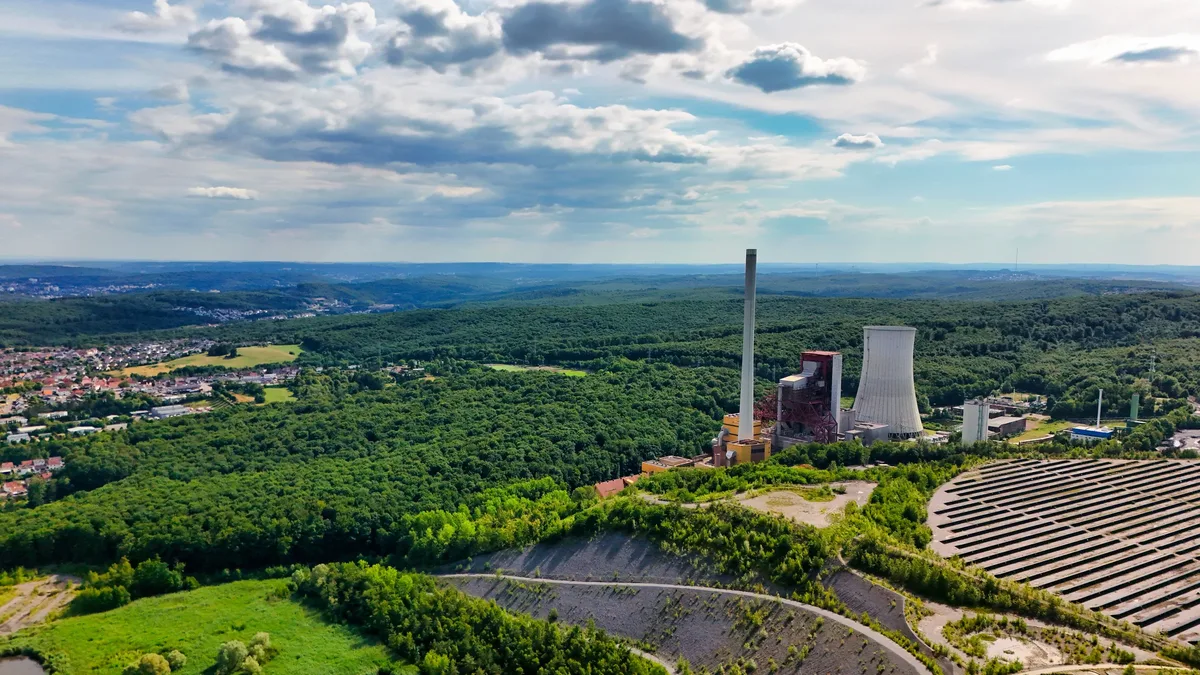
Southwest hydropower hits record low amid Colorado River drought
Hydropower generation in the Southwest fell 28% below the 10-year average this summer due to drought, with key reservoirs like Lake Powell nearing...
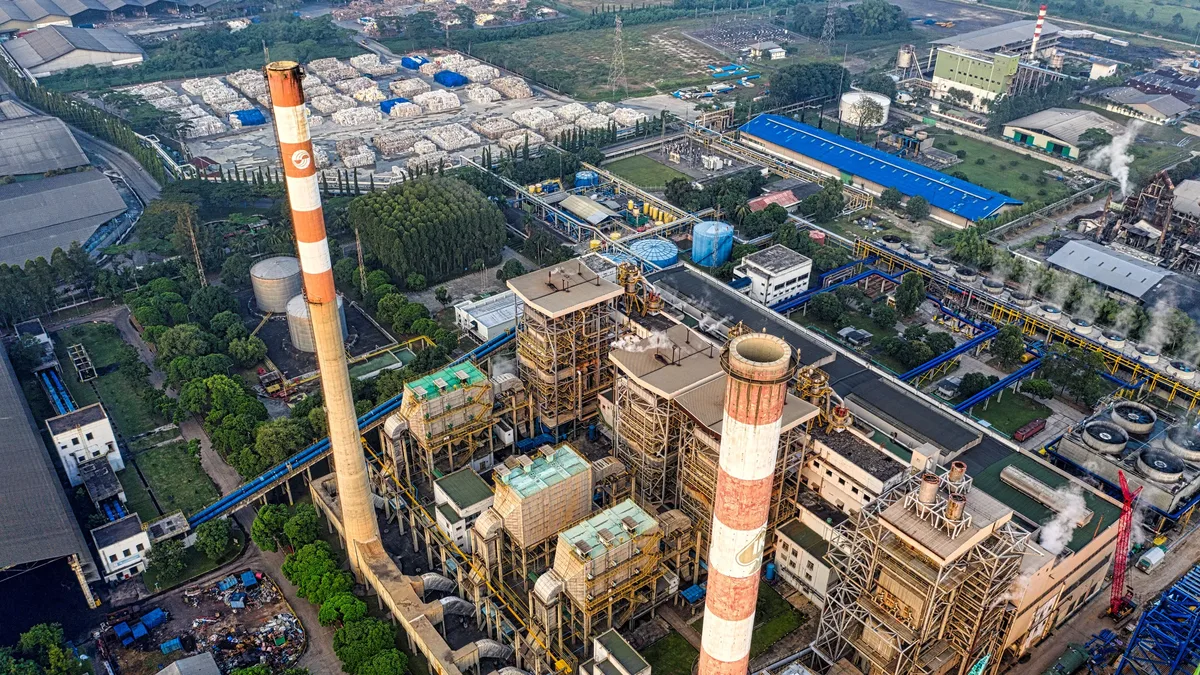
EPV Energy partners with Wärtsilä on 43-MW Lappeenranta gas plant
EPV Energy is developing a 43-MW gas engine power plant in Lappeenranta, Finland, with Wärtsilä supplying the facility under a full EPC contract and...

Georgia's new Democratic PSC to challenge gas plant buildout
Georgia's newly elected Democratic Public Service Commission majority will challenge a Republican-approved plan for nearly 10 GW of new gas plants to...
BWRX-300 at Darlington misses 2030 target, exceeds budget
Ontario Power Generation's first BWRX-300 small modular reactor will not meet its October 2030 commercial operation date and has exceeded its C$7.7...
Constellation advances nuclear baseload with hybrid 'Peak+' contracts
Constellation Energy is launching 'Peak+' hybrid capacity contracts, priced $20-$50/MWh above the nuclear tax credit floor, to pair its existing...