Southwest hydropower hits record low amid Colorado River drought
Hydropower generation in the Southwest fell 28% below the 10-year average this summer due to drought, with key reservoirs like Lake Powell nearing minimum power generation levels.
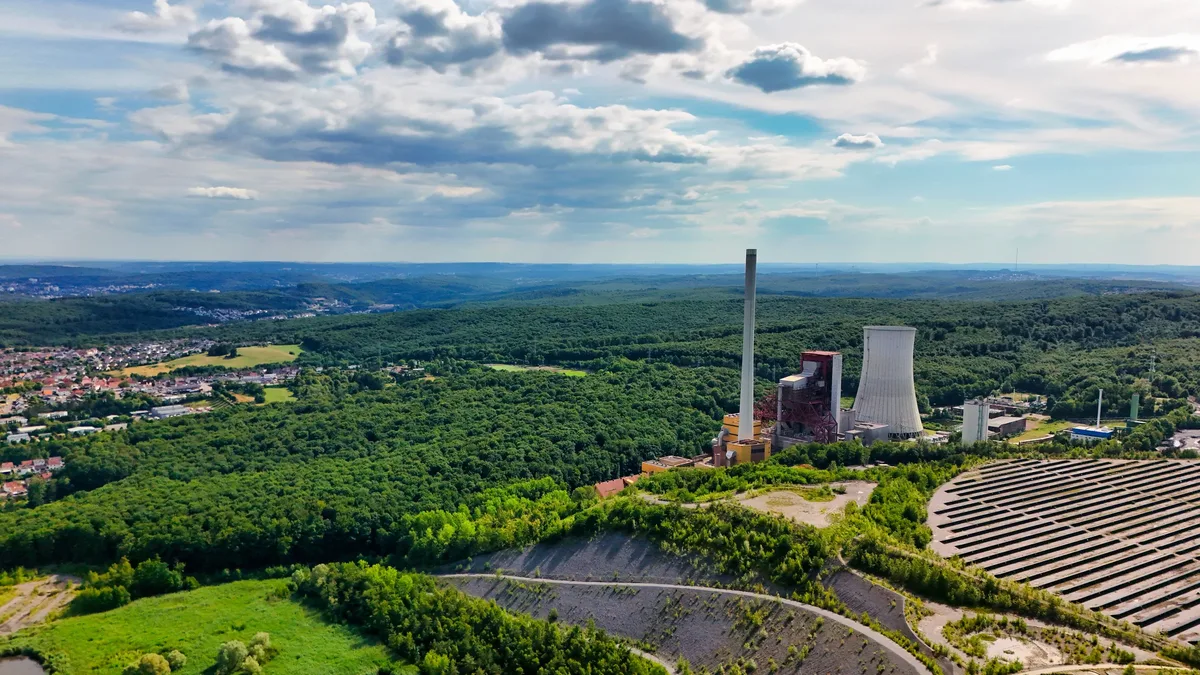
Southwest hydropower generation fell to record lows this summer due to prolonged drought in the Colorado River Basin. Output from April through August 2026 was 19% lower than the same period last year and 28% below the ten-year average.
The U.S. Bureau of Reclamation manages most dams across the basin, where seven states depend on the river for electricity and water. These states are Arizona, California, Colorado, Nevada, New Mexico, Utah, and Wyoming. The Energy Information Administration now forecasts total regional hydropower output for 2026 at 6.13 billion kilowatt-hours. That is a 9% drop from 2025 and 24% below the ten-year average. Hydropower's share of the regional generation mix is expected to be just 4% this year, down from a peak of 8% in 2011.
Water level constraints at key reservoirs
Critical reservoir levels are threatening generation capacity. Lake Powell's elevation was 3,518 feet at the end of September. This is less than 1% above the 3,490-foot minimum power pool required to generate electricity at Glen Canyon Dam. To mitigate the risk of falling below that level, water was released from Flaming Gorge reservoir in the Upper Basin. Releases from Lake Powell itself were also reduced to maintain an elevation of at least 3,510 feet. Lower releases from Powell could subsequently impact water levels downstream at Lake Mead.
Lake Mead must stay above 950 feet for Hoover Dam to operate. Its elevation reached 1,038 feet by the end of September, which is 9% above that critical threshold.
Mandated cuts to stabilize reservoirs
To prevent further drops in reservoir levels, the Department of the Interior has mandated water consumption cuts. California, Arizona, and Nevada must collectively reduce their water usage by 1.25 million acre-feet each year for the next two years. This action aims to stabilize storage in both Lake Powell and Lake Mead.
Forecast and a cautious hope
Lindsay Aramayo, a principal contributor to the analysis, said, "Hydropower generation in the Southwest fell to record lows this summer due to prolonged drought conditions affecting the Colorado River Basin."
The current El Niño climate pattern could bring more precipitation than normal to the region. This provides some hope for drought relief and a potential improvement in the hydropower forecast. Despite this, the official outlook remains constrained. For 2027, hydropower generation is forecast at 6.1 billion kilowatt-hours. That is 0.5% lower than the already diminished projection for 2026.