U.S. small-scale solar generation surged in 2025
U.S. small-scale solar generation reached 92,979 GWh in 2025, a near fivefold increase over the past decade, with California producing 37% of the total.
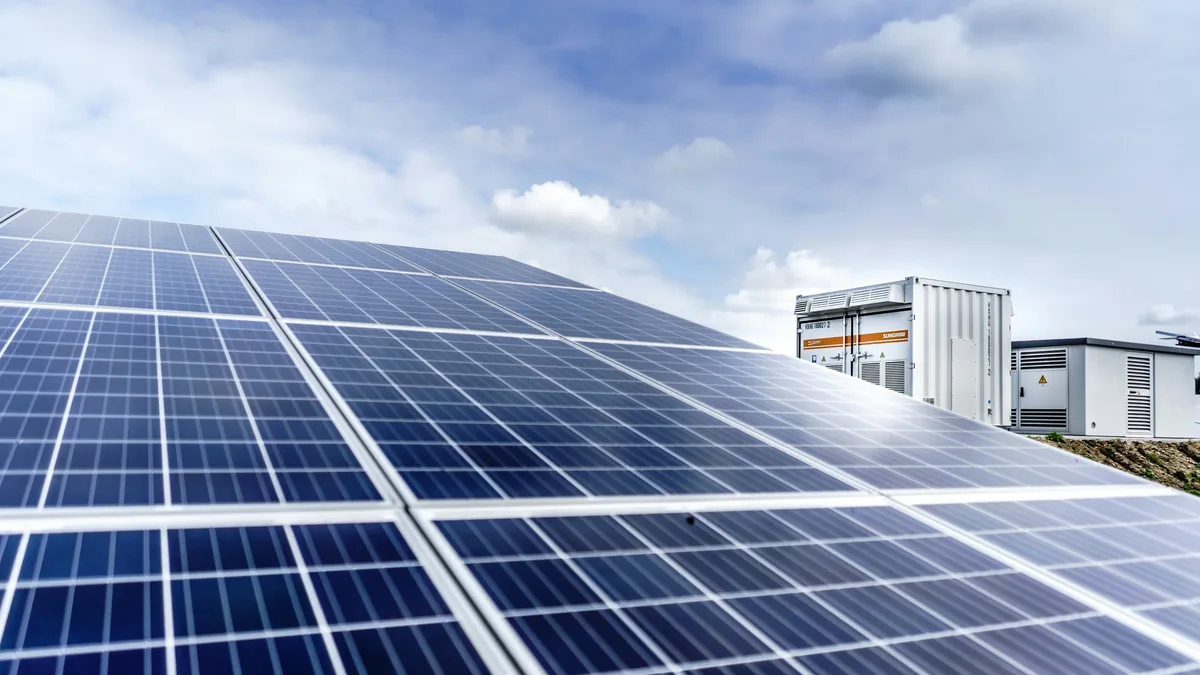
U.S. small-scale solar generation reached 92,979 gigawatt-hours in 2025. This marks a dramatic increase from 18,812 GWh a decade ago, though the rate of annual growth has moderated since 2022.
The sector's expansion has been driven by significant capacity growth and supportive state policies. The U.S. Energy Information Administration estimates these figures by combining utility survey data with modeling tools from the National Renewable Energy Laboratory.
California leads with 37% of U.S. small-scale solar
California accounted for 37% of national small-scale solar generation in 2025, producing 34,411 GWh. The state's total operating small-scale capacity grew from 18 gigawatts to 20 GW between 2024 and 2025 alone. Rooftop solar generation in the state increased by 8% during that period. A surge in installations occurred ahead of a major policy shift, as California transitioned from its Net Energy Metering 2.0 program to a Net Billing Tariff, known as NEM 3.0, in April 2023. Grandfathering provisions under the old rules drove higher installation volumes before new, reduced export compensation rates took effect.
Texas and Florida show massive growth
Texas and Florida have seen explosive growth over the past decade, becoming major contributors to the national total. Their generation figures from 2016 to 2025 illustrate the scale of the expansion.
| State | 2016 Generation (GWh) | 2025 Generation (GWh) |
|---|---|---|
| Texas | 391 | 5,408 |
| Florida | 205 | 5,198 |
This growth has positioned Texas and Florida among the top four states for small-scale solar generation.
Arizona and New York rank high despite different conditions
The four states with the highest small-scale solar generation are California, Arizona, Texas, and Florida. Arizona ranked second nationally in 2025, delivering 5,795 GWh, or more than 6% of the U.S. total. Its rooftop generation grew by 6% in 2025, a slowdown from a peak annual growth rate of 22% between 2022 and 2023. State incentives, including a 25% income tax credit and local utility programs, have supported this growth.
New York ranks as the fifth-largest producer despite having lower solar resources than sunnier states. It, along with New Jersey, Massachusetts, and Illinois, has achieved significant growth through state-level incentive programs. The highest annual growth rate on record was a 25% year-over-year increase in 2022. Analysts Lindsay Aramayo and Marc Harnish were principal contributors to the data analysis. Further discussion on the sector's trajectory is scheduled for an October 2026 webinar on distributed solar and storage.