American Electric Power
| Service territory | Ohio, Indiana, Kentucky, Michigan, Tennessee, Virginia, West Virginia, Texas, Oklahoma, Arkansas, Louisiana |
|---|---|
| Primary fuel sources | Coal, natural gas, nuclear, renewables |
| Transmission voltage | 765 kV, 345 kV, 138 kV |
| Peak demand season | Summer |
| Customer base | Residential, commercial, industrial |
| Regulatory jurisdiction | State public utility commissions, Federal Energy Regulatory Commission (FERC) |
| Original use | Centralized electricity generation and distribution |
Origin and history
American Electric Power originated in the United States, specifically through the consolidation of several electric utilities operating in the American Midwest and Southwest. Its foundational corporate entities were established in the early decades of the 20th century, with a significant formative period occurring in the 1900s and 1910s. The company's early growth was fueled by acquiring and integrating numerous smaller, local power companies, a common practice during the industry's consolidation phase. A pivotal development was the creation of one of the nation's first interconnected high-voltage transmission networks in the 1920s and 1930s, which shaped its operational identity. This extensive grid, initially built to link coal-fired power plants with population centers, became a defining characteristic of the utility. The corporate structure known today as American Electric Power was solidified through a major merger in the late 1990s, greatly expanding its service territory across multiple states.
What it is for
American Electric Power operates as a regulated investor-owned electric utility, responsible for generating electricity and delivering it to retail customers. Its primary function is to ensure reliable power flow from its power plants through its high-voltage transmission system to local distribution networks. The company manages a diverse generation fleet that has historically been dominated by coal-fired power plants, though it has added natural gas and renewable resources in recent decades. A significant portion of its operational focus involves maintaining and upgrading one of the largest transmission systems in the United States, which facilitates bulk power transfer and regional grid stability. This transmission network also serves as a critical marketplace conduit, allowing for the buying and selling of wholesale electricity between different regions. Furthermore, the utility implements programs aimed at managing customer demand, such as energy efficiency initiatives and time-based rate plans, to balance grid needs.
Pros and cons
A primary advantage of American Electric Power's system is the high reliability afforded by its vast, interconnected transmission network, which can reroute power during outages and draw from diverse generation sources. The scale of its operations provides some insulation from localized fuel shortages or plant failures, contributing to stable service for millions of customers. A significant drawback, however, is the historical reliance on coal generation, which has led to higher exposure to environmental regulations and associated compliance costs that can impact customer rates. Customers in certain regions served by AEP often face electricity prices that are above the national average, partly due to these legacy infrastructure and fuel cost factors. A common regret for some customers is the limited choice of retail electricity providers in its traditionally regulated service areas, restricting options for competitive pricing. The complexity and age of portions of its grid also present ongoing challenges for modernization and integration of distributed energy resources like rooftop solar.
Who it suits
This utility structure suits customers residing within its established service territory who prioritize grid reliability and the convenience of a single, full-service provider for generation, transmission, and delivery. It is appropriate for regions, particularly in the Midwest and Appalachia, where its existing transmission and generation infrastructure is deeply integrated into the local economy and landscape. Large industrial and commercial customers with significant and stable power demands may benefit from direct relationships with the utility for managing service requirements and exploring customized rate structures. The model suits investors seeking exposure to a regulated utility with predictable, though not explosive, earnings growth tied to capital investments in grid infrastructure. It is less suited for consumers in deregulated markets who wish to actively shop among competing retail electricity suppliers for the lowest possible price. Furthermore, homeowners seeking to heavily customize their energy supply with on-site generation and storage may find the traditional utility interconnection processes and rate designs less flexible than in some other regions.
Latest American Electric Power news
Latest reporting

PG&E expands precautionary power shutoffs across California
PG&E warned approximately 70,000 customers across 29 counties could face precautionary electricity shutoffs beginning Wednesday evening, October 14...

BMW Group Electric Vehicle Sales Rise in Europe Despite Overall Decline
BMW Group's global battery electric vehicle sales grew 7.2% in Q3 2026, driven by a 37.5% surge in Europe where one in three deliveries was fully...
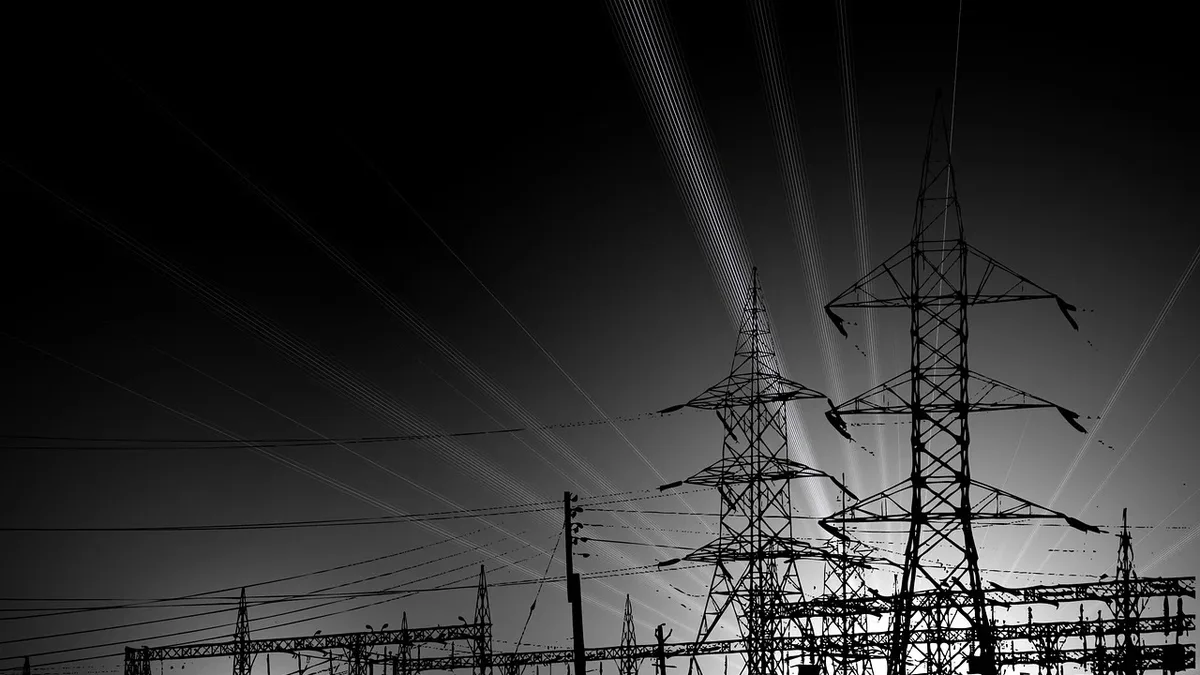
Google and Constellation sign 20-year PPA for 3,590 MW
Google and Constellation Energy have finalized a 20-year power purchase agreement for 3,590 MW, combining 2,700 MW of existing generation with 890 MW...
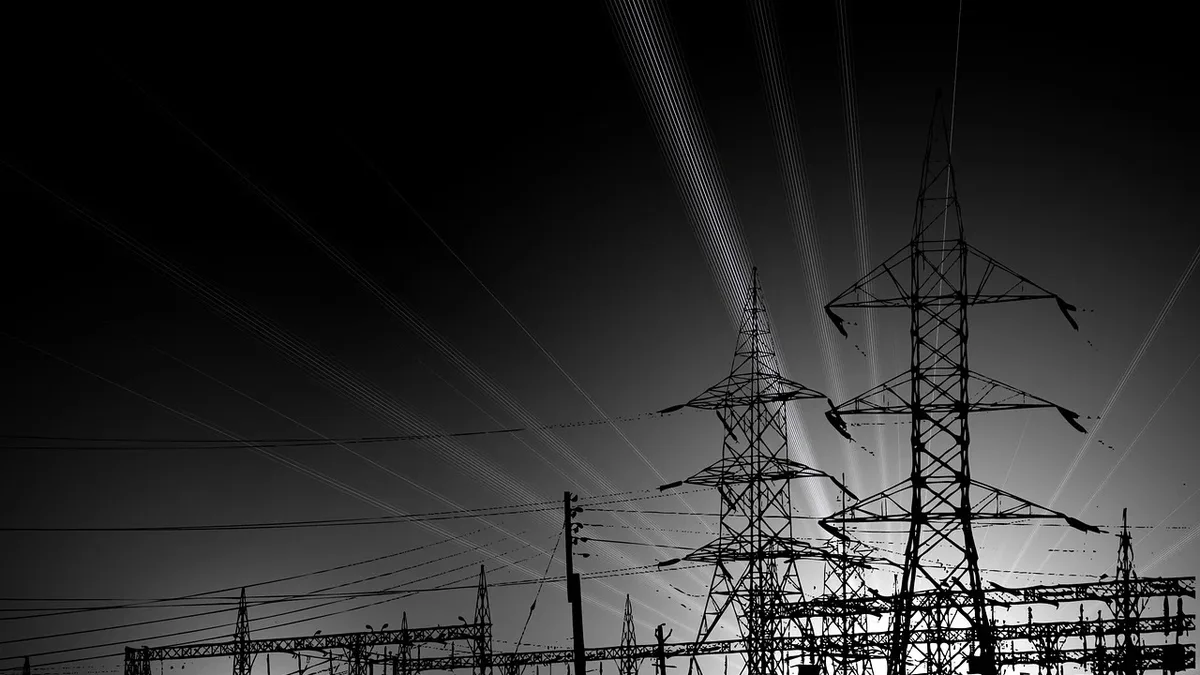
MISO interconnection queue reform proposal seeks FERC approval
MISO proposes accelerating its Definitive Planning Phase-2022 study for 71 GW of legacy projects by raising the penalty-free exit threshold and...
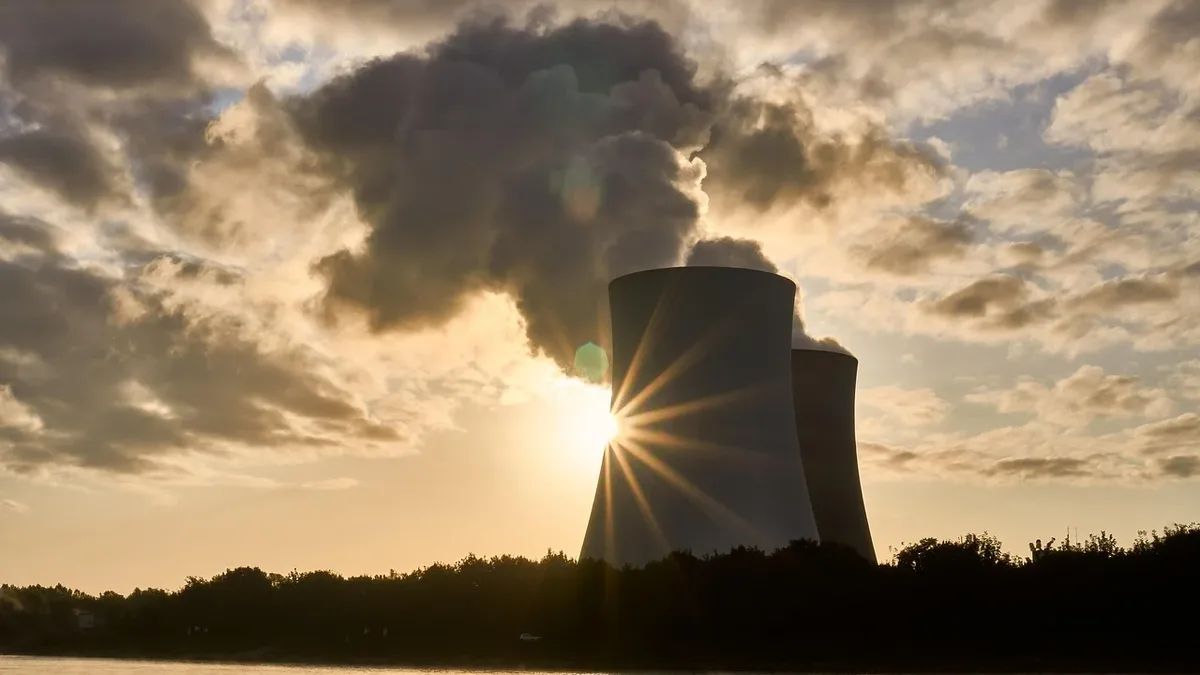
Amazon signs 20-year nuclear PPA with Constellation
Amazon and Constellation Energy have signed a 20-year power purchase agreement to expand Maryland's Calvert Cliffs nuclear plant.
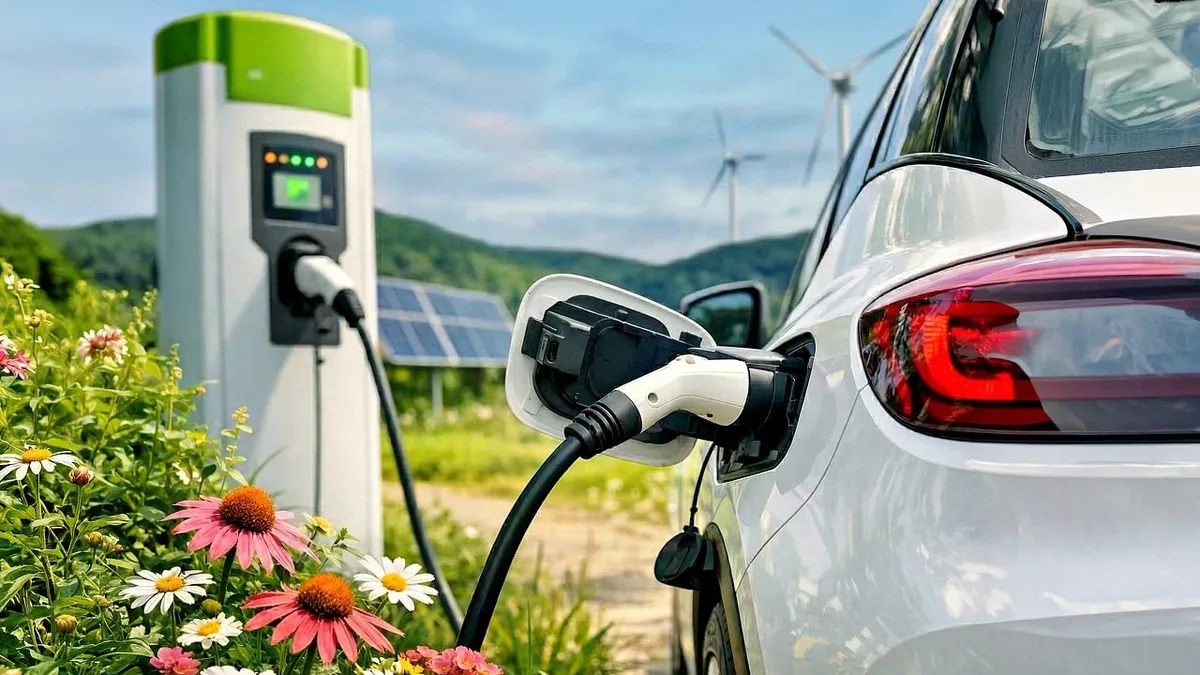
U.S. EV Electricity Use Growth Slows to 8% in H1 2026
Electricity consumption by light-duty electric vehicles in the U.S. Grew by 8% in the first half of 2026, a marked slowdown from prior half-year...