
Wind
| Primary fuel source | Wind |
|---|---|
| Typical capacity factor | 20% to 40% |
| Typical installed capacity range | 2 MW to 20 MW per turbine |
| Typical operational lifespan | 20 to 30 years |
| Grid connection voltage | Medium to high voltage |
| Original use | Electricity generation |
| First created | Late 19th century |
Origin and history
Wind power harnesses the kinetic energy of moving air to perform mechanical work, primarily for electricity generation. Its origin as a practical technology for this purpose is most closely associated with late 19th century developments in the United States and Denmark. In the 1880s, the American inventor Charles F. Brush constructed what is considered the first automatically operating wind turbine for electricity production in Cleveland, Ohio. Concurrently, in the 1890s, Danish inventor Poul la Cour pioneered wind turbines specifically designed for generating electricity, conducting foundational aerodynamic research. These early machines were direct current generators and were deployed in rural areas not yet connected to centralized grids. The technology saw a significant revival and modernization effort following the oil crises of the 1970s, which spurred government-funded research and development programs in the United States and Europe. This period marked the transition from small, isolated units to the larger, grid-connected, alternating current wind turbines that define the modern industry.
What it is for
Wind generation is used to convert the kinetic energy of wind into electrical energy for integration into the power grid. Its primary function is to provide a source of electricity that does not consume fuel or produce direct carbon emissions during operation. On the grid, wind power plants, or wind farms, are typically categorized as variable renewable energy sources, meaning their output fluctuates with wind speed and weather patterns. This electricity is fed into the transmission system, where it mixes with power from other generation sources like natural gas, nuclear, and hydro to meet instantaneous demand. The economic value of wind generation is derived from displacing more expensive and emissions-intensive forms of generation, thereby reducing overall system fuel costs and pollution. Consequently, wind power is deployed at scale by utilities and independent power producers to meet policy mandates for renewable energy, corporate sustainability goals, and to provide long-term fixed-price electricity contracts that hedge against fossil fuel price volatility.
Pros and cons
A primary advantage of wind power is its zero fuel cost and lack of direct greenhouse gas emissions during operation, offering long-term price stability and environmental benefits. It is a commercially mature technology with a well-understood cost structure, capable of being deployed at utility scale relatively quickly compared to large nuclear or hydro projects. However, its most significant drawback is its variable and non-dispatchable nature, meaning output cannot be reliably increased on demand to follow grid load; this intermittency necessitates backup from flexible generation sources like natural gas or grid-scale storage. Another common issue is location dependency, as the best wind resources are often geographically remote from major demand centers, requiring substantial investment in new transmission infrastructure. Regret or underperformance often occurs when projects are sited in areas with lower-than-modeled wind speeds, leading to lower capacity factors and financial shortfalls. A frequent operational challenge is the integration of very high levels of wind penetration into a grid, which can require costly grid management solutions and, in some regions, lead to curtailment during periods of low demand and high wind output.
Who it suits
Wind generation suits regions with consistently strong and reliable wind resources, particularly coastal areas, plains, and mountain passes. It is a logical choice for grid operators and utilities in areas with supportive transmission infrastructure or plans for its expansion, as moving the electricity to market is critical. Policymakers and system planners seeking to diversify a generation fleet away from imported fuels or to meet legislated decarbonization targets often find wind power a key component of their strategy. From a financial perspective, it suits investors and power purchasers looking for long-term fixed-price contracts to hedge against volatile fossil fuel markets, despite the high initial capital expenditure. It is less suited for isolated, small grids without any complementary flexible generation or storage, as the variability can threaten system reliability. Furthermore, it may not be suitable for locations with significant conflicts regarding land use, aviation radar, or wildlife impacts, particularly for avian and bat populations, without extensive mitigation planning and community engagement.
Latest Wind news
Latest reporting
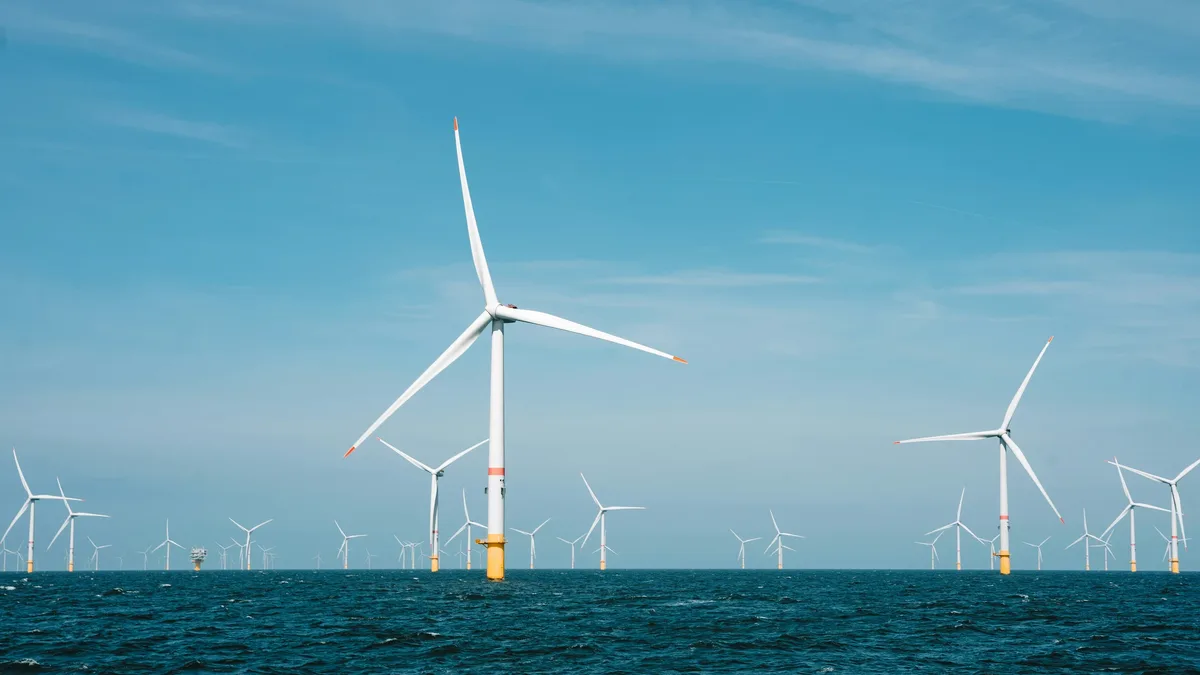
Revolution Wind Offshore Farm Reaches Full Commercial Operation
Orsted's 704-MW Revolution Wind project is now fully operational, becoming the third large-scale offshore wind farm in the U.S. The $6.2 billion...
U.S. wind installations hit 5 GW in Q2 2024 ahead of tax credit deadline
U.S. onshore wind installations surged to 5 GW in the second quarter of 2024, driven by a race to meet a key tax credit deadline.
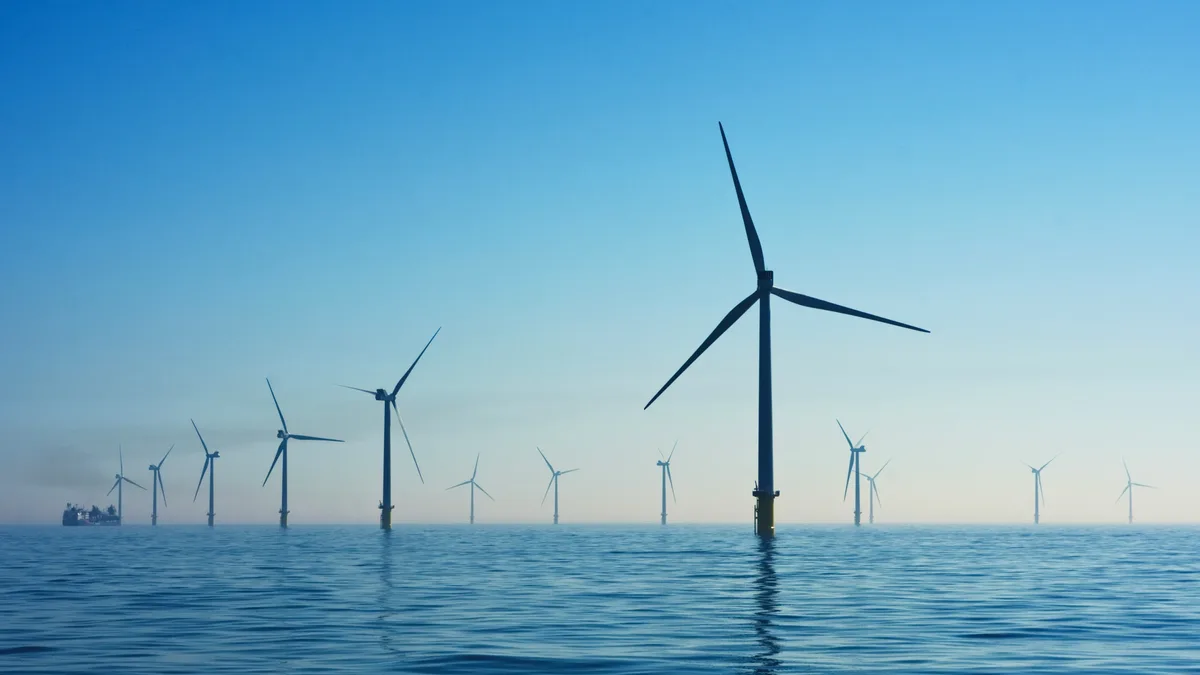
Trump Administration Challenges Offshore Wind Permits Amid Senate Reform Push
The Trump administration is asking a court to reconsider permits for multiple offshore wind projects, creating uncertainty that clashes with a...
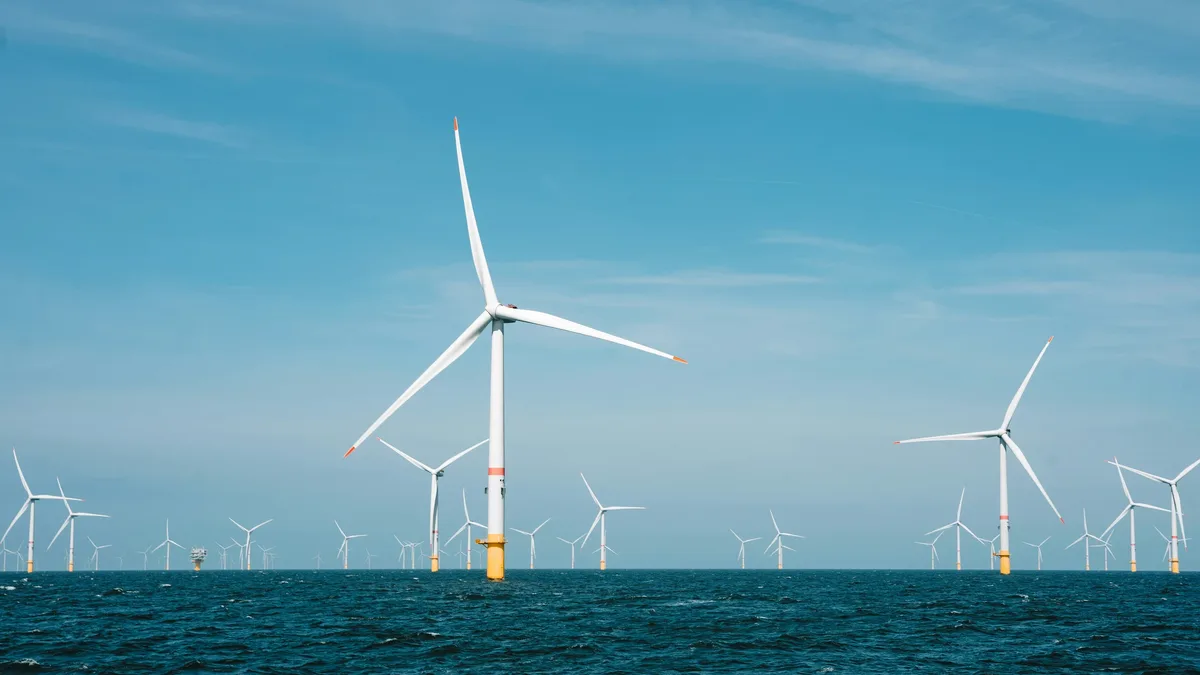
New York, California Sue to Block Trump Offshore Wind Lease Buyouts
New York and California are leading lawsuits to block agreements that paid developers to abandon federal offshore wind projects.
Rune deploys modular data centers to use otherwise wasted renewable power
Startup Rune is deploying modular data centers that plug directly into utility-scale solar and wind farms.
Maine regulators select 800 MW wind farm and 1.2 GW transmission line
The Maine Public Utilities Commission has selected an 800-megawatt wind farm and a 1.2-gigawatt transmission line project.