U.S. wind installations hit 5 GW in Q2 2024 ahead of tax credit deadline
U.S. onshore wind installations surged to 5 GW in the second quarter of 2024, driven by a race to meet a key tax credit deadline.
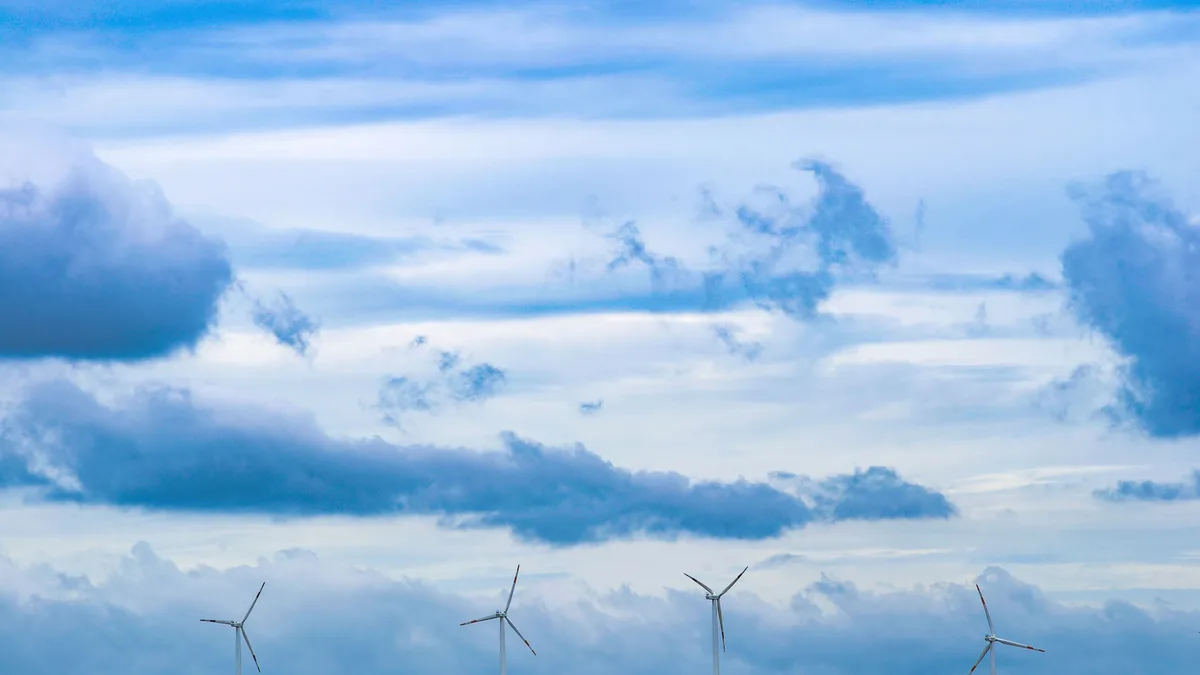
U.S. wind developers installed 5 gigawatts of onshore capacity in the second quarter of 2024. This surge was led by the 3.65 GW SunZia project in New Mexico, the largest onshore wind project to date, as developers raced to commence construction ahead of a critical tax credit deadline.
Wind turbine order intake in the U.S. reached 2.8 GW in Q2, the highest quarterly volume since the end of 2023. This acceleration in orders and installations is directly tied to policy changes and the looming expiration of tax credit eligibility.
Policy changes reshape project timelines
The One Big Beautiful Bill Act extended project commencement deadlines to preserve eligibility for the 45Y and 48E tax credits. This created a critical July 4, 2026, deadline for developers to start construction. The legislation established different service-in-service requirements based on this date.
Projects that miss the July 4, 2026, commence construction deadline must be placed in service by December 31, 2027, to qualify for tax credits. Projects that meet the initial deadline have a longer runway, with until December 31, 2030, to place projects in service.
Stable five-year outlook amid policy uncertainty
Despite the near-term policy scramble, analysts confirm the five-year onshore wind installation outlook remains stable. Wood Mackenzie analyst Tyler Gifford stated that policy has the greatest impact on wind installations and that the five-year outlook remains stable.
More than half of the project pipeline from 2026 to 2028 is already operating or under construction. In total, 39 GW of onshore new-build capacity is expected by 2030.
Policy and technical challenges shape future growth
While the onshore sector navigates tax credit deadlines, offshore wind faces distinct regulatory hurdles. These include an executive order pausing new offshore wind lease sales in federal waters. The administration has also struck deals with offshore wind developers to buy back previously auctioned leases and continues to try to block development of offshore wind farms under construction through court challenges.
For onshore projects, new technical guidelines will add cost pressures. Updated building code guidelines from the American Society of Civil Engineers will mandate new design requirements for turbines in tornado-prone areas, increasing project costs.
Developers must commence construction by July 4, 2026, to secure the longest timeline for tax credit qualification. Projects missing that initial deadline must achieve service-in-service by December 31, 2027.