NRC Finalizes Rule for Federal Reactor Data Use
The Nuclear Regulatory Commission has finalized a rule allowing commercial advanced reactor applicants to use safety data from federal demonstration projects, aiming to simplify reviews and accelerate deployment.
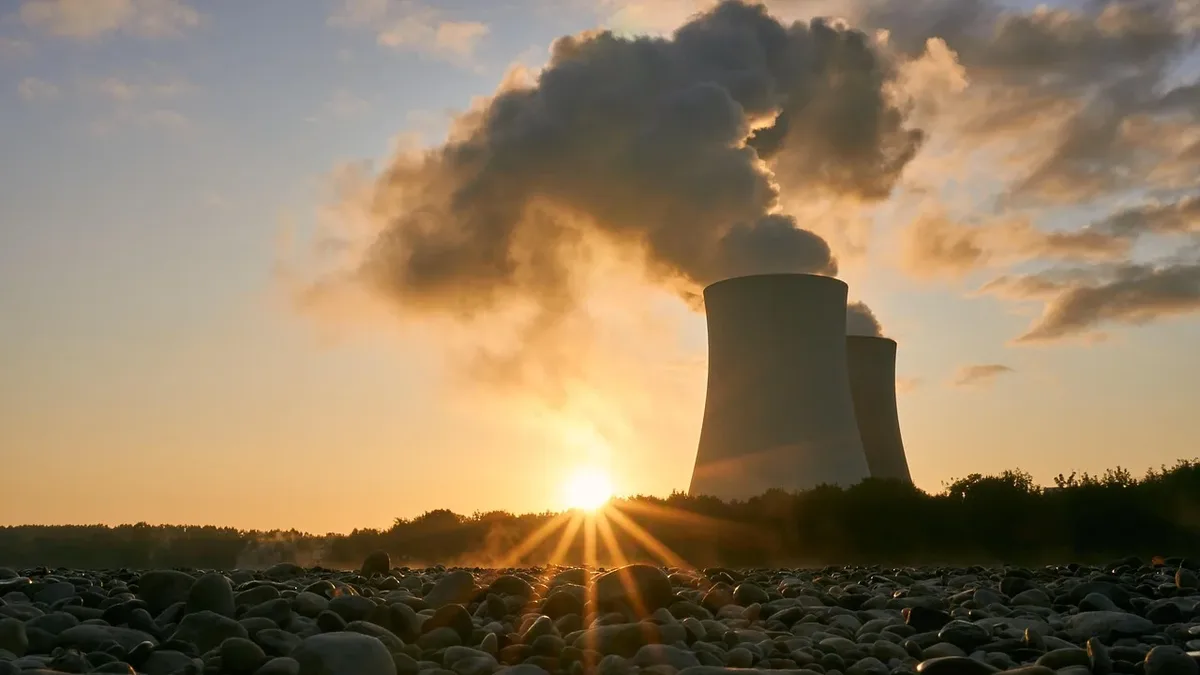
The Nuclear Regulatory Commission finalized a rule on October 22 allowing commercial reactor applicants to use data from federal demonstration projects in their safety reviews. This change aims to speed up the deployment of advanced reactors, including small modular reactors.
The rule amends sections 10 CFR Parts 50 and 53. It permits applicants to reference analyses, test data, and technical evidence from reactor demonstrations previously authorized by the Department of Energy or the Department of Defense. Applicants must demonstrate how the prior authorization results satisfy NRC requirements, including addressing any design differences. The NRC clarified that the rule does not create a separate licensing process, exempt developers from statutory requirements, or transfer regulatory authority to other agencies. Independent safety assessments under the Atomic Energy Act of 1954 will continue.
EO 14300 Drives Regulatory Modernization
This rule is the first major regulatory change under Executive Order 14300, signed by President Donald Trump on May 23, 2025. The order directs the NRC to prioritize its review on new risks from commercial applications. It instructs the agency not to revisit risks already addressed during DOE or DOD authorization processes. The rule was finalized under a May 2025 presidential order directing the NRC to complete approvals for new reactor designs within 18 months. NRC Chairman Ho Nieh stated the rule would not allow projects to bypass the agency's strict safety standards.
DOE and Army Advance Reactor Deployment
Federal reactor demonstration programs are actively progressing. The Department of Energy launched its Reactor Pilot Program in June 2025, selecting 11 projects from 10 companies. By early August 2026, five DOE-authorized reactors had achieved zero-power fueled criticality.
| Reactor Developer | Reactor Name | Criticality Date |
|---|---|---|
| Antares Nuclear | Mark-0 | June 4, 2026 |
| Valar Atomics | Ward 250 | June 18, 2026 |
| Deployable Energy | Unity | June 30, 2026 |
| Aalo Atomics | Aalo-X | July 4, 2026 |
| Oklo | Groves Isotope Test Reactor | August 5, 2026 |
Separately, the Army's Janus Program selected five developers in August 2026 for microreactor projects at military installations. The Army plans to commit up to $2.2 billion through milestone-based agreements spanning 2027 to 2031. Its goal is to operate at least one reactor by September 30, 2028. Safety authorizations for these defense reactors will be overseen by the Army Reactor Regulatory Office.
Nuclear safety activist and physicist Edwin Lyman of the Union of Concerned Scientists emphasized that the NRC must retain authority to make independent safety and security determinations. He noted that the NRC's licensing procedures are more rigorous and transparent than those of the energy and defense departments. The rule will take effect 30 days after publication in the Federal Register, which is expected the week of October 26.