Maine regulators select 800 MW wind farm and 1.2 GW
The Maine Public Utilities Commission has selected an 800-megawatt wind farm and a 1.2-gigawatt transmission line project, a major step toward building
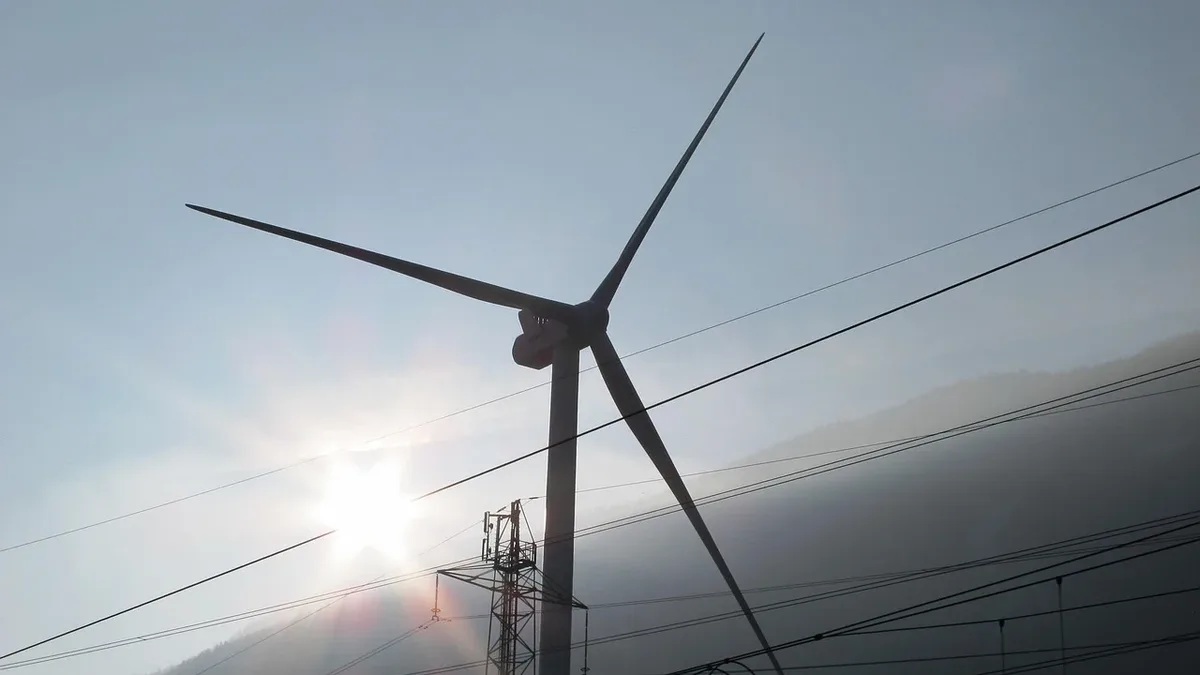
The Maine Public Utilities Commission has selected proposals for an 800-megawatt wind farm and a 1.2-gigawatt transmission line. The decision on Tuesday brings the state closer to realizing a long-held goal of building utility-scale wind power in its northern region.
Commission Chair Philip Bartlett said the chosen pair of projects are now incredibly likely to be built. The selection fulfills a mandate to pick both a clean-energy generation project for Aroostook County and a transmission line to carry that power to the wider New England grid.
Selected Projects and Their Benefits
The commission picked an onshore wind farm proposed by developer Clearway Energy. It selected a transmission line proposed by Avangrid, the parent company of utility Central Maine Power. The wind project's selection is contingent on the transmission line being built.
The developments are projected to generate roughly $400 million in net benefits for Maine consumers over their operational life. They are expected to create more than 2,500 full-time jobs during construction. Commissioner Carolyn Gilbert stated the wind farm could lower the amount of oil burned in New England power plants during winter by 10%. She concluded that Maine ratepayers are significantly better off for this effort.
A Long-Stalled Vision Gets New Momentum
Maine first set a target for land-based and offshore wind in 2008. Aroostook County, with its open space and strong winds, has been the focus. Previous plans failed, largely due to the region's isolation from the main grid. The cost and difficulty of building new transmission caused proposals to fizzle in 2016 and 2023.
This attempt differs due to regional support. Connecticut, Massachusetts, Rhode Island, and Vermont agreed to share the transmission line's cost. Maine utility customers will pay for less than 11% of the total. The six New England states also plan to share costs for a second transmission project to strengthen the connection between the wind farm and the regional grid.
In March 2025, following a recommendation from the states' governors, Independent System Operator New England issued a request for proposals for this linking infrastructure. The grid operator announced its preferred project in July and is now accepting public comments. Commissioner Patrick Scully called this level of cooperation unprecedented. "I've not seen anything like this in the United States," Scully said during deliberations.
Remaining Hurdles and Future Potential
While advocates are optimistic, they note previous plans have floundered. Francis Pullaro, president of industry association Renew Northeast, said many milestones remain, including financing, permitting, and construction. Project planners may also need to handle public reaction. The last major transmission line built through Maine sparked an outcry that led to years of delay and over $500 million in added costs for ratepayers.
The federal environment for wind development is more difficult. President Donald Trump has eliminated tax credits for wind projects and directed agencies to freeze permitting, though courts have ruled against these moves. These actions have been especially devastating for offshore wind plans in New England, raising the stakes for developing onshore resources.
Pullaro is already looking beyond the current project. The 800-MW wind farm will leave capacity on the new transmission line for another 400 MW of power. Aroostook County has plenty of untapped wind potential. "I think there's a real opportunity here to keep the momentum going," he said.