AI load growth strains aging electrical
Rapid demand from AI and data centers is stressing under-maintained electrical infrastructure, forcing life-extension strategies and complicating service
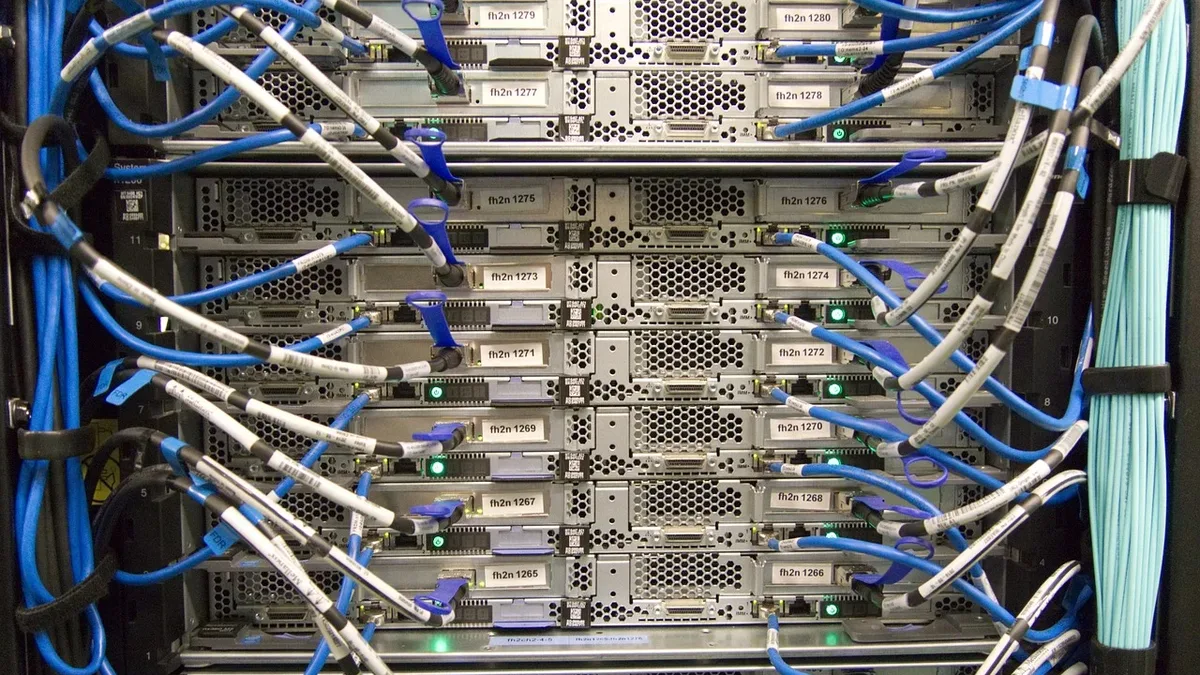
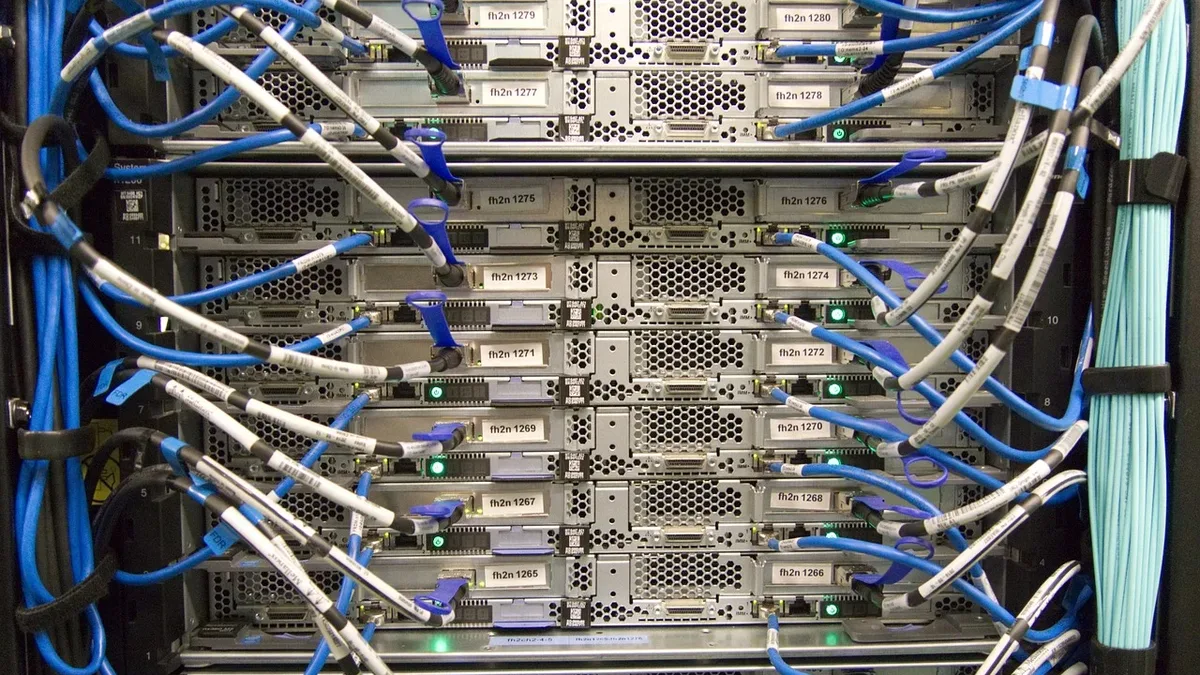
The surge in demand from artificial intelligence infrastructure is straining electrical equipment that is already nearing the end of its intended lifespan. John Zuleger, president and CEO of maintenance firm Integrated Power Services, says years of underinvestment mean some transformers and other assets are three-quarters of the way through their service life.
Zuleger's company provides life-cycle services for electrical equipment like motors, generators, and transformers. Its customers include utilities, data centers, and industrial plants such as steel mills and copper mines. He reports that load growth is spilling over into these industrial sectors, which are trying to lift output using a base of mining and manufacturing equipment that has been under-maintained.
Supply constraints drive life-extension strategies
Supply chain constraints are fundamentally changing customer needs. The inability to secure new equipment is making life extension a critical focus. Zuleger cited an example from a visit to copper mines, where a senior procurement official shared that an $800-million switchgear order was refused by their long-time original equipment manufacturer. The OEM could not accept the order due to commitments for the data center build-out.
This cascading constraint forces alternative strategies. These can be as simple as deenergizing a switchgear lineup and using infrared energy analysis to pinpoint components nearing failure inside the cabinet. For many customers, spending tens of millions on brand-new equipment is not feasible, especially when hyperscale data center operators are buying forward capacity two years in advance.
Manufacturing and maintenance complexity rises
The rush to meet demand is altering how equipment is built and maintained. Some OEMs are delivering products to data center builders at only 70% completion because they are behind schedule. They then hire third-party firms like Integrated Power Services to perform last-mile manufacturing. Zuleger expressed concern about future maintenance and uptime challenges, as this equipment is designed for assembly in a controlled, clean, factory environment.
Another growing complication is the rise of mixed equipment fleets. While hyperscalers have guaranteed orders with major brands, tier-two and tier-three data centers and other industrial customers are scrambling to find available gear. Some new data centers are being built with a mix of brands. Industrial customers who have standardized on one OEM for decades now face introducing different brands and designs. Zuleger said the long-term maintenance plan for these mixed fleets is just starting to be written.
The high-stakes world of data center maintenance
Maintaining data centers presents unique challenges due to their extreme reliability requirements. Data centers must achieve 99.999% uptime, which directly affects service protocols. Integrated Power Services reports its direct emergency response business for data centers is up 300% this year. The company has agreements with hyperscalers requiring it to acknowledge a failure alert within four hours and deploy a team within four to 24 hours.
The redundancy built for this reliability adds layers of complexity for technicians. When responding to an emergency, they must handle dual circuits and complete redundancy, carefully considering if taking one component down will trip standby generators or uninterruptible power supplies. The financial stakes are immense, with downtime penalties for some facilities exceeding $20 million per day.
Reliability engineers at industrial plants face a similar dilemma of high operational value versus necessary maintenance. They can identify equipment close to catastrophic failure but are sometimes unable to get support for repairs because production is too valuable to halt. Zuleger noted that copper prices are at an all-time high and steel crack spreads are wide, making operators reluctant to approve downtime.
The cost disparity is stark. Zuleger stated that the cost of a failure can be 100 to 1000 times more expensive than performing predictive maintenance. His longer-term concern involves society's growing dependence on AI, including for life-saving applications. He questions what happens if downtime occurs in that context, potentially shifting the consequence from a purely financial cost to a human one. The industry is still learning the right maintenance plans for these new AI data centers, as they have not been operating long enough to fully understand failure scenarios.