Study: Front-of-Meter Solar, Storage Can Meet 32%
A Kevala study finds front-of-meter solar and storage could serve 17.5 GW of California's summer peak load by 2032, offsetting 32% of evening demand and
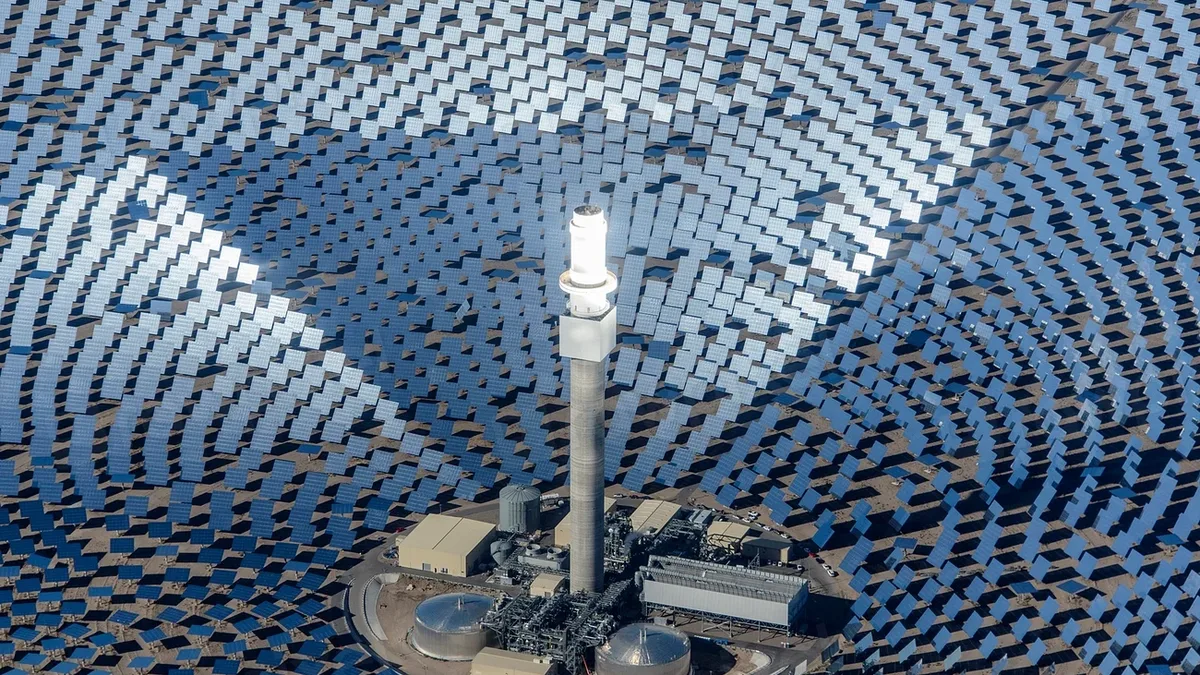
Front-of-meter solar and storage could serve about 17.5 gigawatts of summer peak load on California's distribution grid by 2032. This potential would offset roughly 32% of demand between 4 p.m. And 9 p.m. From June through September.
The study was commissioned by the Coalition for Community Solar Access. Clean energy advocates say the analysis shows a path for the state's three large investor-owned utilities to improve reliability and preserve affordability without major transmission upgrades.
Technical Potential Across Utility Systems
Kevala's analysis found that distribution substations owned by Pacific Gas & Electric Company, Southern California Edison, and San Diego Gas & Electric Company could support 3,112 individual 5-megawatt solar-and-storage installations. These would serve 15,560 MW of local load. Systems smaller than 5 MW could serve an additional 1,976 MW.
The impact varies by utility. The study provides a breakdown of the potential from 5-MW installations against the California Energy Commission's "mid-case" 2025 forecast for the 2032 summer peak.
| Utility | Number of 5-MW Installations | Load Served (MW) | Percentage of Forecast 2032 Peak |
|---|---|---|---|
| Southern California Edison (SCE) | 1,657 | 9,188 MW | 37% |
| San Diego Gas & Electric (SDG&E) | 326 | 1,788 MW | 39% |
| Pacific Gas & Electric (PG&E) | 1,129 | 6,560 MW | 26% |
Paul Doherty, a PG&E spokesperson, said Kevala's findings align with the utility's view on the importance of distributed energy resources. He pointed to recent initiatives like the utility's SAVE and Google-funded SHARE virtual power plant programs.
A Road Map, Not a Forecast
Kevala cautioned that its work is not a development forecast. The firm described it as an estimate of technical potential. Such a forecast would need to assess other constraints like land availability.
Stephanie Doyle of the Solar Energy Industries Association called the analysis a road map for reducing stress on a "strained" transmission grid. "This report shows that front-of-the-meter distributed solar and storage can deliver power where and when California needs it most," Doyle said.
The state's utilities are start massive capital spending plans to harden grids and integrate clean energy at the transmission level. PG&E and SCE alone expect to spend over $110 billion in the next five years.
Pedro Pizarro, president and CEO of SCE's parent company Edison International, warned that uncertainty around wildfire risk could lead to credit downgrades. Those costs would pass to ratepayers. PG&E recently said it would defer $2 billion in planned 2025 spending after state lawmakers missed a deadline on wildfire liability legislation.
Grid Value and Policy Opportunities
Kevala's analysis suggests these distributed resources can help meet rising peak loads from electrification and data centers. They can reduce the need for incremental generation on the bulk power system.
The study assumed batteries would charge from colocated solar and the grid during off-peak hours. Substations would be configured to redirect backflow locally. "These findings indicate that a substantial share of California’s energy demand during the most expensive hours of the year could be met directly by locally sited front-of-the-meter distributed resources," said Pete Skala, a Kevala vice president.
James McGarry, CCSA's California market lead, noted Kevala's work builds on a 2023 Aurora Energy Research study. That study found 5.4 GW of community-scale solar and storage could reduce California's power system costs by 0.6%, or about $6.5 billion, over two decades.
McGarry said CCSA wants state agencies to study the load-modifying impacts of these resources and revise planning to recognize their grid value. Both houses of the state legislature have passed a bill requiring the California Public Utilities Commission to develop a community solar-and-storage program that compensates assets at avoided cost. It awaits Governor Gavin Newsom's signature.
"State policymakers have an opportunity to close the gap between the grid value that [front-of-meter] distributed energy resources can provide and how they are currently valued," McGarry said.