Northeast's RGGI cap-and-trade faces
The Regional Greenhouse Gas Initiative, a 20-year-old carbon cap-and-trade program for Northeastern power plants, is under debate.
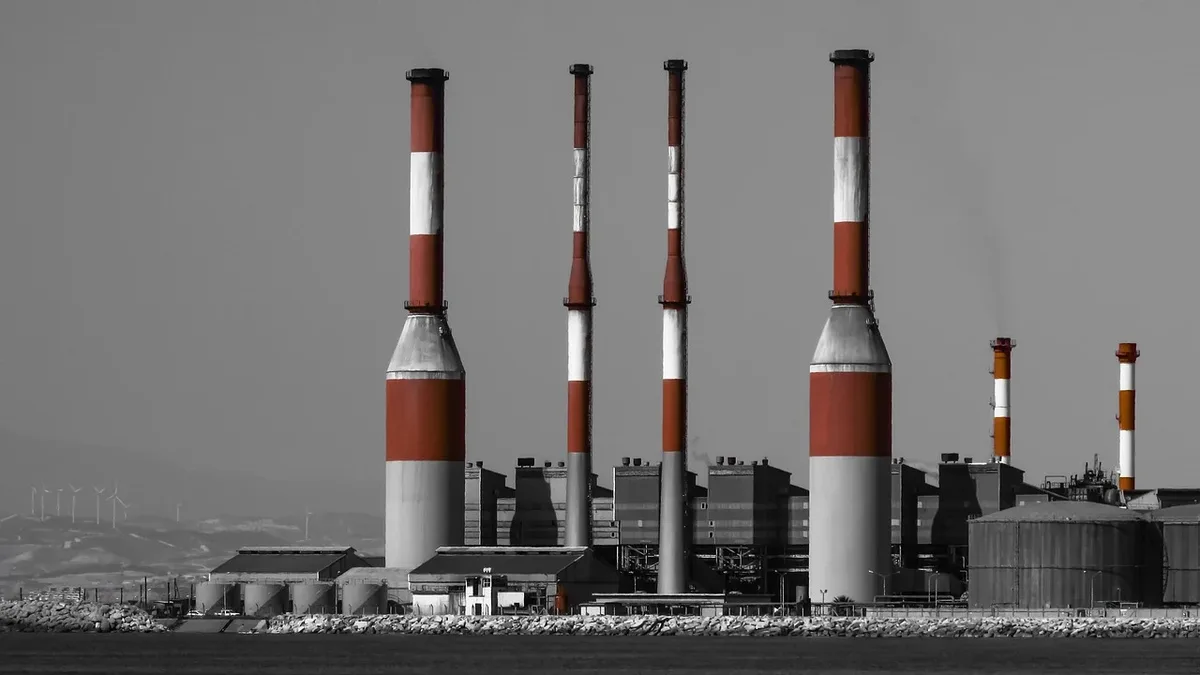
The Regional Greenhouse Gas Initiative (RGGI) has cut power sector emissions in half across the Northeast and raised over $10 billion in revenue over two decades. A growing number of voices are now questioning whether the program's rising costs remain justified as electricity prices strain household budgets.
Dan Dolan, president of the New England Power Generators Association, said it is appropriate to examine if RGGI is amplifying its intended purpose or needs to be pulled back. The program is the first and only multistate carbon cap-and-trade system in the United States, with California, Oregon, and Washington operating their own state-level versions.
How RGGI works
RGGI requires large power generators in participating states to buy an allowance for every ton of carbon dioxide they produce. A cap on total regional emissions drops annually, generally pushing the allowance price upward over time. The price is set through quarterly auctions, though generators can trade allowances on a secondary market where costs are often higher. This expense is ultimately passed on to electricity consumers.
States use the revenue from these payments to fund clean energy, energy efficiency, climate adaptation, and bill assistance programs. This investment aims to spur further reductions in power consumption and associated emissions.
Price and emissions trends
The program's first auction in 2008, with ten participating states, yielded a carbon price of $3.07 per ton. The most recent auction last week cleared at $37.65 per allowance. Eleven states now participate, with New Jersey having rejoined in 2020 and Virginia restarting participation this year.
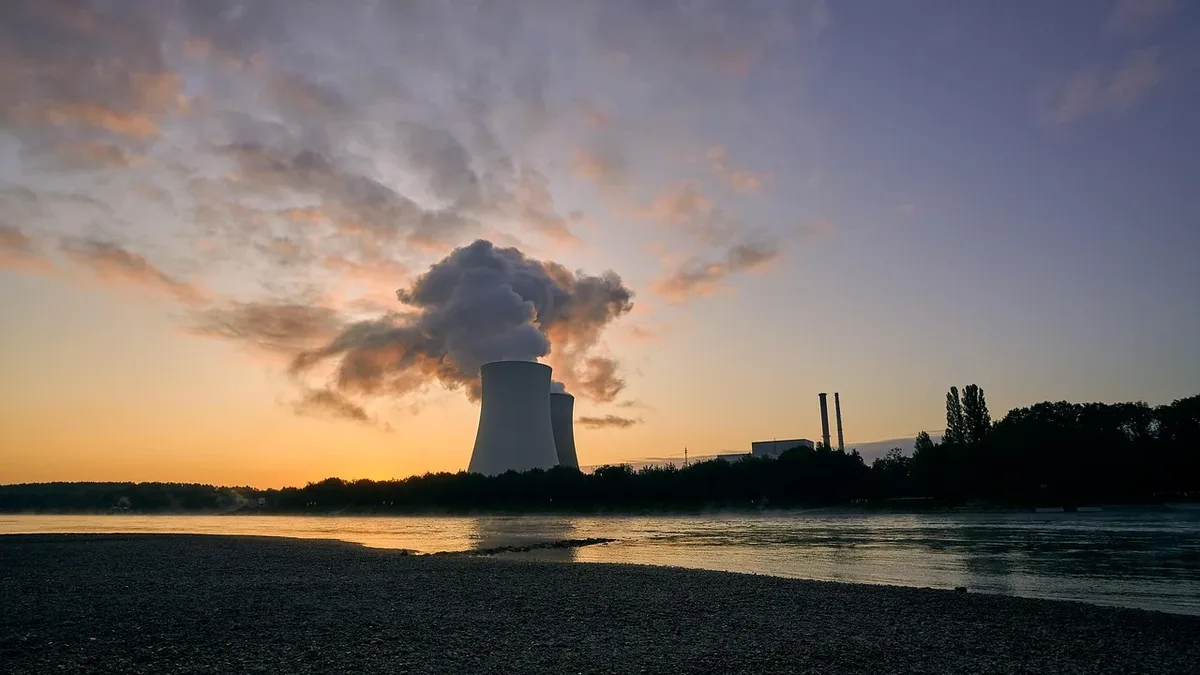
Emissions in the nine states that participated consistently fell sharply from a peak of 117.5 million short tons in 2010 to a low of 61.9 million short tons in 2020. This drop is largely attributed to coal plant retirements across New England and New York. Coal accounted for 15% of electricity generation in seven Northeastern states in 2007 but now provides none.
Paolo Moncada Tamayo, a senior policy analyst at the Acadia Center, noted that this reduction cannot be attributed to RGGI alone, with state climate rules and the economics of switching from coal to cheaper natural gas also playing major roles.
Mounting challenges and criticism
After 2020, emissions stopped falling and began trending slightly upward. Tamayo described the earlier RGGI era as easier and cheaper, stating that current decarbonization efforts are not as easy or affordable.
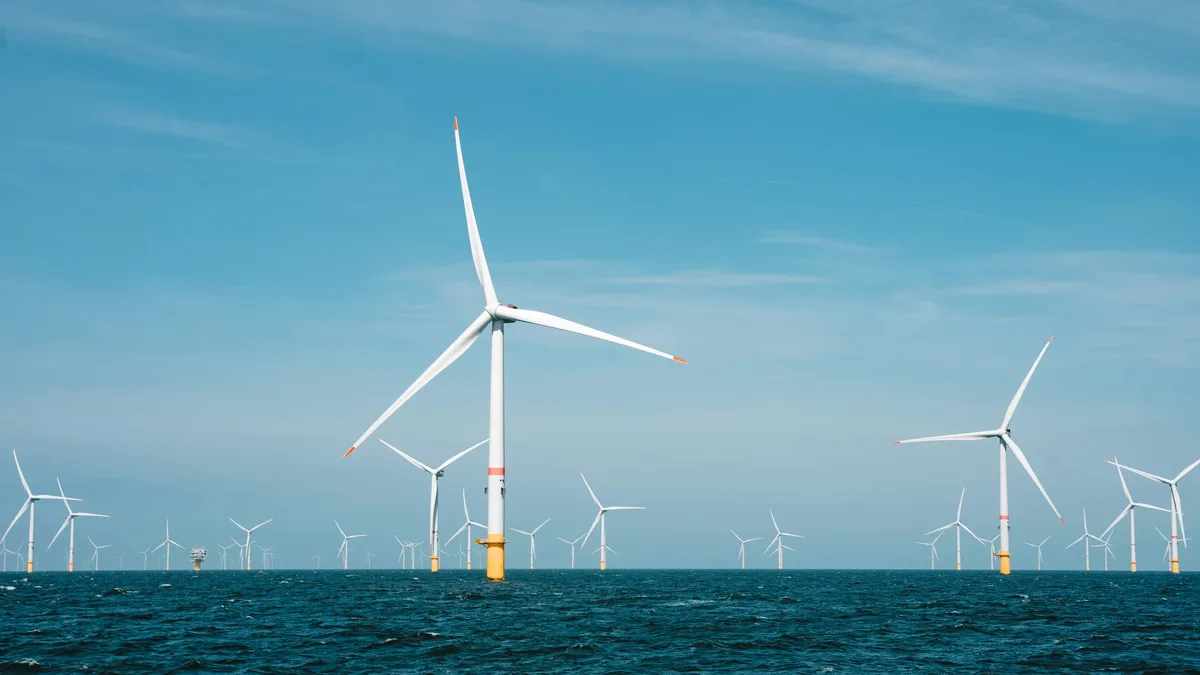
Renewable energy construction must accelerate to meet rising demand, but offshore wind development has stalled due to federal attacks. Congested transmission infrastructure and inconsistent local policies also hinder progress. Noah Kaufman, a clean energy research scholar at Columbia University, said existing state renewable policies are generally insufficient. He suggested that significantly higher carbon prices could help, but RGGI includes a cost-containment mechanism that releases more allowances if prices rise too high.
Some critics argue RGGI worsens emissions by putting power plants in participating states at a competitive disadvantage. Ray Cantor of the New Jersey Business and Industry Association said plants in Delaware, Maryland, New Jersey, and Virginia cannot compete economically with dirtier coal or gas plants from non-RGGI states like Ohio and West Virginia within the PJM Interconnection grid. His organization has launched a campaign for New Jersey to leave RGGI and instead impose a flat $7 per ton carbon charge, which it estimates would generate $135 million annually for the state while doing little to curb pollution.
The case for continued investment
Supporters counter that the benefits from investing RGGI revenue are inarguable. Investments from 2024 proceeds alone are forecast to avoid 4.3 billion short tons of carbon emissions over their lifetime. Tamayo said these investments also produce consumer savings through energy efficiency, electrification, and direct bill assistance. An analysis projects that investing RGGI revenue from 2025 will result in $1.3 billion in lifetime savings for New England consumers.
"We can’t lose sight of that just because of a moment of high prices," Tamayo said. The debate continues as states balance climate goals with the immediate pressure of energy costs on residents.