Senate Passes BAAJA Bill to Accelerate Solar and Grid Modernization
The U.S. Senate has passed the Bipartisan American Affordability and Jobs Act, a permitting reform bill that could unlock 167 gigawatts of new solar capacity by 2035 and modernize grid infrastructure, but it faces opposition from environmental groups and requires House approval.
The U.S. Senate approved the Bipartisan American Affordability and Jobs Act with bipartisan support, advancing key permitting reforms for clean energy projects. The vote was 62 in favor and 33 against. Industry leaders immediately praised the move, with the Solar Energy Industries Association stating America is now closer to lower energy costs, more clean energy, and a more reliable grid. The American Clean Power Association called it a clean energy bill that will modernize America’s energy systems and lower consumer prices. The association's CEO stressed the legislative process must now move forward in the House of Representatives.
Solar Expansion and Emissions Reductions
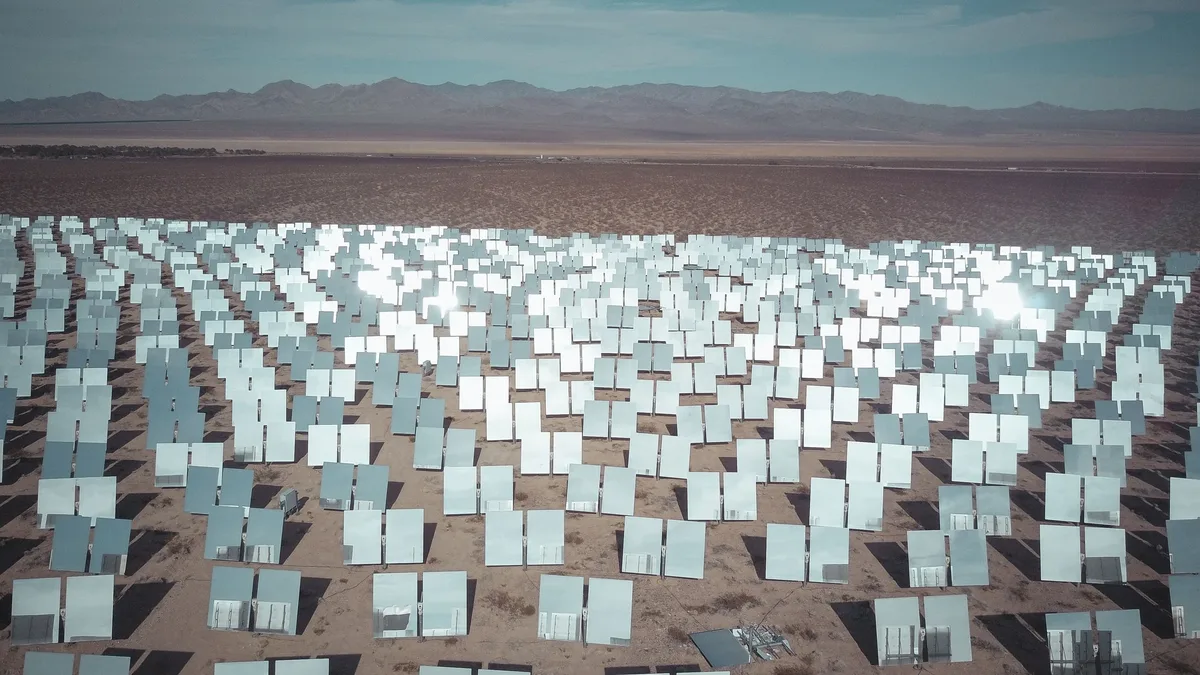
Analysis from the Solar Energy Industries Association indicates BAAJA could unlock 167 gigawatts of additional solar capacity between 2028 and 2035. This expansion would raise solar's share of U.S. electricity generation to over 18% by 2035. The same analysis finds the reforms could reduce cumulative power sector CO2 emissions by approximately 20%. The association also states the bill could avoid $54 billion in public health damages.
Key Permitting Reforms
The bill introduces a series of simplified permitting processes designed to accelerate project development. Agencies must grant or deny permits within 30 days of receiving a complete submission. For smaller projects, the Departments of the Interior and Agriculture must develop categorical exclusions from lengthy environmental reviews within 180 days.
These exclusions cover specific, low-impact activities:
| Project Type | Key Criteria |
|---|---|
| Low-disturbance activities | Under 5 acres of disturbance |
| Solar installations | On buildings, rooftops, or parking lots |
| Solar on previously disturbed land | Under 10 acres |
| Battery storage systems | On previously disturbed or developed land |
| Transmission & distribution activities | Including reconductoring and grid-enhancing technologies |
The legislation also updates the Federal Power Act to modify the Federal Energy Regulatory Commission's authority for transmission construction permits. It directs FERC to require advanced computing technologies for handling generator interconnection requests and mandates access to grid data for interconnection studies. Also, the Department of Energy must publish updated grid capacity reports every three years, and the Bureau of Land Management must establish standardized project review standards within two years.
Industry and Environmental Perspectives
Industry groups uniformly praise the bill for its potential to accelerate clean energy deployment and lower costs. They argue that solar is typically the cheapest option for new power capacity and has been dominating new installations. Republicans support the legislation for its potential to bypass environmental protections they view as obstructive.
In stark opposition, environmental groups like the Sierra Club argue BAAJA furthers fossil fuel buildout. They contend it strips power from communities and Tribes, threatens clean water and public lands, and endangers wildlife. The group claims the bill was rushed and deeply flawed, prioritizing corporate polluters over public health and future generations. They assert the American people called for addressing soaring costs and a corrupt system, and they urge the House of Representatives to reject the Senate's fast-tracked bill.
The House of Representatives must now consider and vote on the bill to advance it to the President.