BAAJA bill fast-tracks data centers and mining on public lands
The Bipartisan American Affordability and Jobs Act of 2026 combines grid transmission reforms with sweeping changes to environmental law, accelerating projects while limiting Tribal consultation and public review.
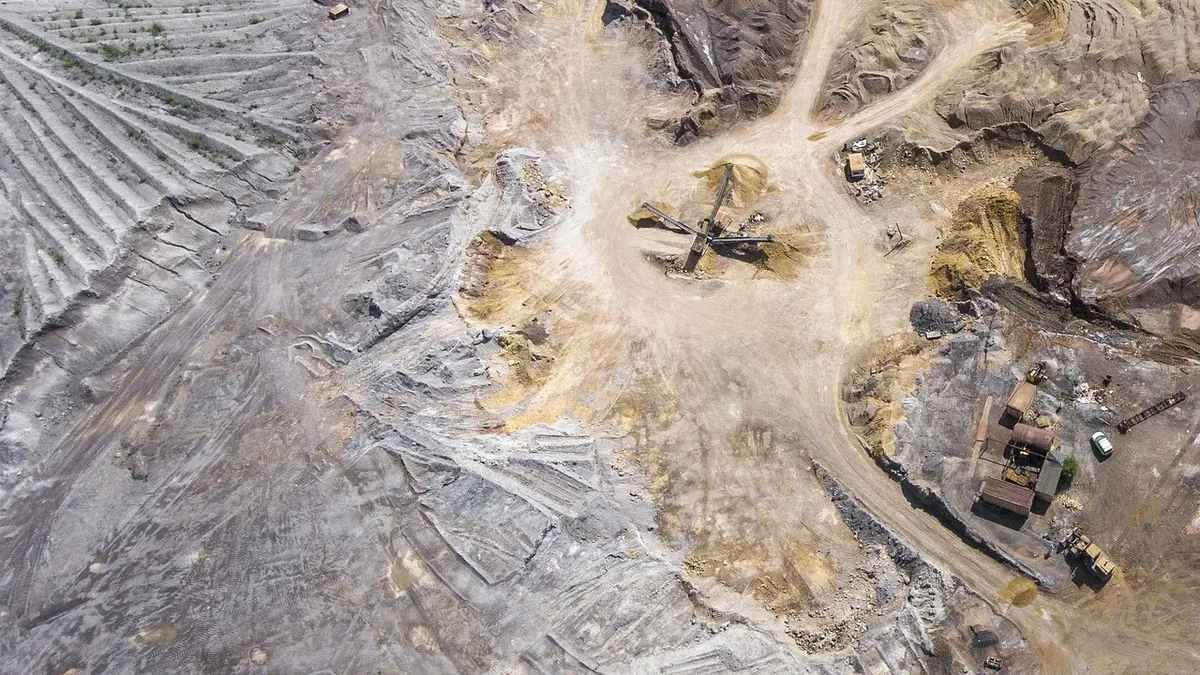
The Bipartisan American Affordability and Jobs Act of 2026 would fast-track permitting for data centers, mining, and transmission projects on federal lands. It simultaneously weakens environmental review and Tribal sovereignty protections to enable that acceleration.
The legislation would decrease transparency by narrowing the scope of projects subject to review under the National Environmental Policy Act. It would also limit public comment on projects impacting public lands. Specific projects like the proposed Project Beehive data center in Carbon County, Utah, could be expedited despite unanswered legal and impact questions.
The bill locks in development projects, preventing future administrations from canceling or suspending permits for data centers, oil and gas drilling, and hard rock mining, even if those permits were approved illegally. This could preclude action on more than 110 mining claims filed on lands within the original, larger boundaries of Bears Ears and Grand Staircase-Escalante National Monuments. A separate provision allows developers to sue the government for 'disparate treatment' using a five-year comparison period, potentially embedding Trump-era energy preferences and triggering large payouts.
Construction can continue during agency reviews, and courts cannot invalidate permits based on violations of NEPA or the National Historic Preservation Act. The bill also expands a categorical exclusion for oil and gas to cover geothermal development, allowing drilling without environmental review.
Tribal sovereignty and cultural sites under threat
Provisions rewrite the National Historic Preservation Act to limit Tribal authority and consultation on culturally significant sites. The bill restricts what qualifies as an important cultural site and makes consultation with Tribes optional. It requires fewer environmental impacts to be considered, limiting Tribal Nations' power to define significant places and minimizing their input on permitting decisions affecting their land, water, and cultural interests.
The Southern Utah Wilderness Alliance, a nonprofit with offices in Moab, Salt Lake City, and Washington, DC, defends redrock wilderness. The group warns the bill would make it extremely difficult to challenge mining claims, greenlighting endless development in iconic landscapes.
Transmission reforms aim to unlock grid capacity
The bill contains significant reforms to speed up grid transmission news. Its provisions aim to cut the time to build new transmission lines from 10 years or more down to five or six years. This addresses a critical bottleneck, as approximately 2,000 gigawatts of proposed generation and storage-85 percent being solar, wind, or storage-are waiting to connect.
Advanced transmission technologies could free over 100 gigawatts of existing grid capacity, enough to power 75 million homes. Data centers of 20 megawatts or more would be required to pay for their grid impact costs and provide financial assurance.
Legal challenges and litigation costs favor developers
Project certainty provisions severely restrict agency ability to modify permits, excluding environmental harm as a reason even if newly discovered. Developers can sue to reinstate permits if they are changed or revoked. Successful lawsuits would require the government to pay the developer's litigation expenses plus 25 to 50 percent of project costs already incurred.
NRDC analysis found previous administration actions could double power sector carbon emissions over the next decade and raise consumer bills by $30 billion per year by 2035. The group stated, "Lawmakers should push for tangible evidence that this has changed before voting on the legislation." It added, "We will be seeking improvements in the coming weeks and will take a position on the bill before a floor vote."
The Senate floor vote on the Bipartisan American Affordability and Jobs Act of 2026 could occur as soon as Monday, November 9, 2026.