Senate to Vote on Amended BAAJA Transmission and Tribal Rules
The Senate will vote on cloture for the revised Bipartisan American Affordability and Jobs Act on November 9, 2026. The amendment closes a state land loophole in transmission siting and strengthens tribal consultation procedures.

The Senate is scheduled to vote on Monday, November 9, 2026, on cloture for the Bipartisan American Affordability and Jobs Act. The procedural vote requires at least 60 votes to proceed. The four main cosponsors released the final substitute amendment over the weekend, setting the stage for the decision.
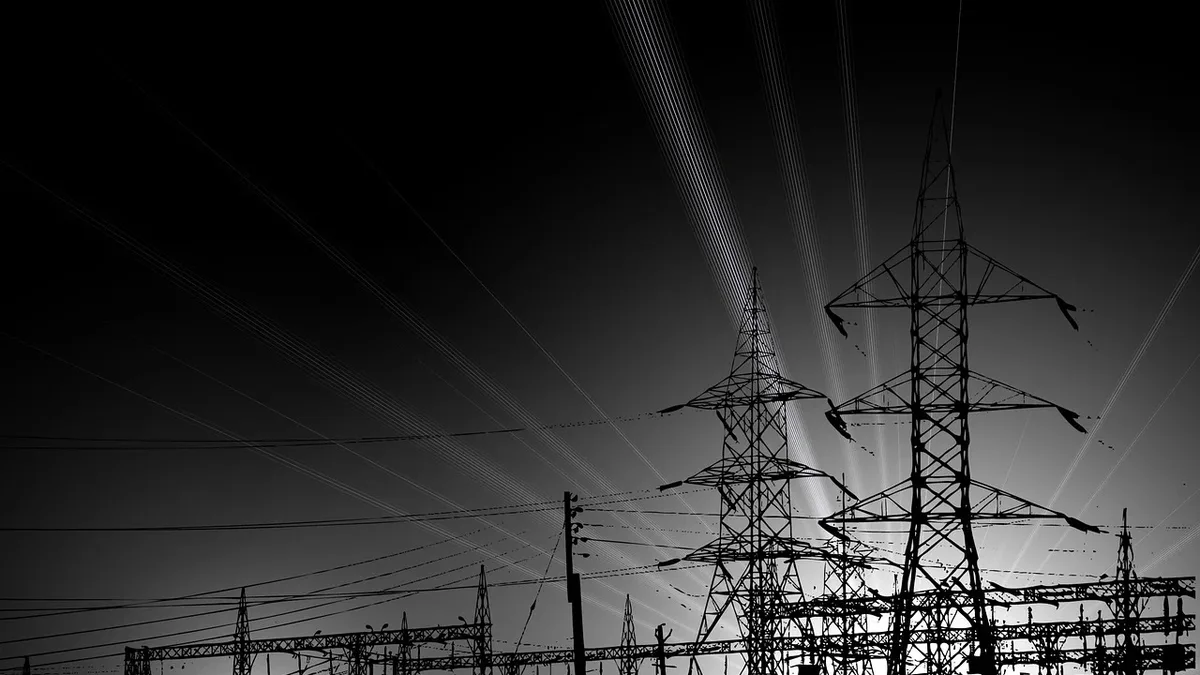
The legislation, known as BAAJA or S. 5653, aims to shorten project reviews and expand electric transmission to provide greater certainty for approved projects. Its sponsors argue it will encourage investment and lower energy costs. The core transmission planning machinery remains intact, mandating long-term interregional planning overseen by the Federal Energy Regulatory Commission with a federal siting backstop.
Amendment closes state land loophole in transmission permitting
The revised amendment extends the federal siting backstop to apply to state-owned land. This closes a loophole that would have allowed a state to block a transmission line by acquiring land along its proposed route. Under the new terms, transmission developers must now spend one full year seeking state approval before they can apply for FERC's federal siting backstop authority.
This change addresses state jurisdictional concerns raised during negotiations. The introduced version had allowed developers of lines 345 kV and larger to file with both FERC and the state simultaneously, a provision critics said rendered state proceedings meaningless. The amendment removes that concurrent filing option.
Tribal consultation provisions strengthened in revised bill
The manager's amendment strips two provisions tribal groups had strongly opposed. It drops a federal takeover requirement that would have allowed the interior secretary to assume tribal historic preservation officer functions after a two-year non-compliance period. The revised text also provides technical assistance for tribal preservation programs and extends the time tribes have to raise objections during project reviews.
Tribal organizations had argued the original bill would weaken their influence over development affecting culturally significant places, including sites outside reservation boundaries covered under Section 106 of the National Historic Preservation Act. Tribal leaders, including National Congress of American Indians President Mark Macarro, have been sharply critical, stating the revisions do not adequately address core sovereignty concerns. Representative Sharice Davids urged advancement of the bill while insisting it must not come at the expense of tribal sovereignty.
Key changes for utilities and data centers
The amendment introduces several other significant modifications to the energy infrastructure provisions. Vertically integrated utilities, predominantly in the Southeast, secured a major concession. They are now exempt from a mandate requiring planning regions to model transmission and generation together over a 20-year horizon and publish fixed upfront grid connection costs. These utilities must still participate in interregional planning, and existing federal rights of first refusal for incumbent utilities remain in place.
For data center developers, the cost rules are unchanged from the introduced bill. New data centers with a demand of 20 megawatts or more must pay the full cost of the grid upgrades needed to serve them, and those costs cannot be passed to other utility customers.
Other technical adjustments include doubling the lookback period for disparate treatment lawsuits to ten years and clarifying that agencies may revoke or alter a permit in response to a court order. A new Energy Department Data Center Community Assistance Program is also added, though its structure and budget are not defined. The Senate cloture vote is the next step for the legislation.