Michigan Democrats Prepare Energy Affordability Legislation
Michigan's incoming Democratic government is preparing a legislative package to tie utility profits to performance and may pause data center construction, while a national analysis shows U.S. power sector emissions are falling due to declining coal use.
Two distinct energy developments are unfolding in the United States. In Michigan, the newly elected Democratic government is preparing to act on campaign promises to address high electricity costs and reliability. Separately, a national analysis indicates a decline in power sector emissions this year, driven by reduced coal consumption despite high demand.
Michigan's Affordability Agenda
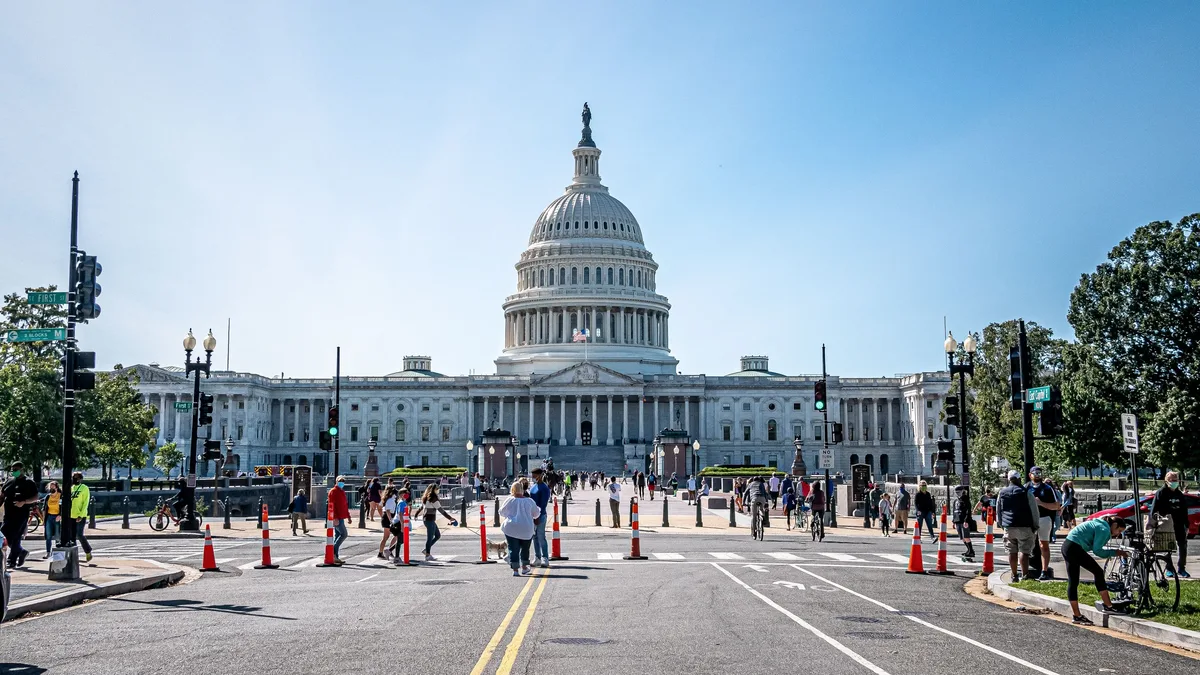
Governor-elect Jocelyn Benson and Michigan lawmakers are expected to introduce a package of bills early next year aimed at linking utility profits to more reliable and affordable service. The agenda also includes scaling up distributed energy resources like community solar and home batteries. Benson's platform pledged to increase bill credits for power outages, fund home energy efficiency programs, institute performance-based utility profit standards, and prevent residential ratepayers from subsidizing data centers.
Most of these actions will require legislation, as state law limits what the Michigan Public Service Commission can do independently. The push responds to public frustration over high costs and poor reliability. Michigan residents pay the highest electricity rates in the Midwest and endure some of the nation's longest power outages. In 2025, the average restoration time in Michigan was more than seven hours, roughly triple the U.S. average. The state's two major investor-owned utilities, DTE Energy and Consumers Energy, serve about 80% of residents. Douglas Jester of 5 Lakes Energy noted, "Every year, Michigan has the worst reliability in the country of any state that didn't have hurricanes." Both utilities have regularly requested rate increases over the past seven years. The Michigan Public Service Commission is expected to rule on DTE's $474 million rate-hike request in February.
U.S. Emissions Decline
U.S. power sector carbon dioxide emissions are projected to fall 2% this year despite record-high electricity demand. This decline is attributed to a 10% drop in coal consumption through July, according to an analysis from Energy Innovation. The data indicates coal's resurgence in 2025, when generation shot up 13%, was a temporary blip rather than a sustained boom.
Coal plants ran an average of 46.7% of the time through August 2026, compared to 49.7% over the same period last year. The coal fleet's capacity has shrunk by only 1.6% this year, now standing at about 167.5 gigawatts. The decline is notable given federal efforts to support coal, including Department of Energy orders to keep plants open and hundreds of millions in funding. The slack is being picked up by other sources. Large-scale solar generation is projected to rise 21% this year, and in May, solar outproduced coal on the U.S. grid for the first month ever. Overall natural gas consumption at power plants increased 3.8%, though combined-cycle gas turbines ran at a slightly lower rate. Batteries are also increasingly displacing gas during peak evening hours in markets like California and Texas.