Consumers Energy
| Service territory | Michigan |
|---|---|
| Parent company | CMS Energy |
| Primary fuel sources | Natural gas, nuclear, coal, renewables |
| Grid role | Generation, transmission, distribution |
| Customer type | Residential, commercial, industrial |
| Regulatory oversight | Michigan Public Service Commission |
| Original use | Provide electricity and natural gas service |
Origin and history
Consumers Energy originated in the state of Michigan, United States. Its earliest corporate predecessor, the Jackson Gas Light Company, began operations in the late 19th century, specifically in the 1880s. The utility expanded through the early 20th century by acquiring numerous small, local gas and electric companies across Michigan. The modern entity known as Consumers Energy was formally established through the consolidation of these assets under the holding company Consumers Power Company in the early 1910s. For over a century, it has operated as an investor-owned utility, providing service primarily within Michigan's Lower Peninsula. Its historical development is deeply tied to the industrialization and residential growth of the state it serves.
What it is for
Consumers Energy is a regulated public utility responsible for generating, transmitting, and distributing electricity and natural gas to end-use customers. Its primary function is to ensure the reliable delivery of electricity, which it accomplishes through a mix of power plants including natural gas, nuclear, coal, and renewable sources like wind and solar. The utility manages a vast transmission and distribution network of power lines, substations, and pipelines to move energy from generation points to homes and businesses. A core duty involves balancing grid supply with customer demand in real-time to maintain system stability. It is also mandated by state regulators to implement energy efficiency programs and to pursue a long-term transition to cleaner generation. Fundamentally, it exists as a monopoly service provider within its territory, obligated to serve all customers in exchange for regulated rates of return.
Pros and cons
A significant pro of Consumers Energy is its extensive, hardened infrastructure and long operational history, which generally provides high reliability of service to its customer base. The utility's integrated resource planning, approved by state regulators, offers a structured path for grid modernization and generation diversification. A notable con is the customer cost associated with major infrastructure investments and fuel price volatility, which directly influence monthly bills through approved rate cases and fuel cost adjustors. Customers often express frustration with the complexity of rate structures and the perceived lack of control over rising energy costs. A common regret among some residential customers is locking into long-term fixed-rate natural gas plans during market lows, only to see market prices fall further and remain lower. The utility also faces persistent challenges in balancing the pace of its fossil fuel plant retirements with the build-out of new renewable generation, sometimes leading to concerns about future capacity during peak demand periods.
Who it suits
This utility suits customers who prioritize reliability and have no alternative provider, as it is the sole regulated electric and gas utility for most of its service territory. It is suited to residents and businesses in Michigan's Lower Peninsula who require the convenience of a single provider for both major energy sources. The utility's various time-of-use and demand response programs can suit technologically-engaged customers willing to shift usage to lower-cost periods for potential savings. Its energy efficiency rebates and incentives are particularly suited to homeowners and businesses planning upgrades to lighting, heating, or insulation. Large industrial customers with specific reliability needs often engage directly with the utility's account managers to negotiate specialized rates or interconnection agreements. The utility's service model is fundamentally designed for a captive customer base that must rely on a regulated monopoly for essential energy delivery, rather than for customers who desire competitive choice among providers.
Latest Consumers Energy news
Latest reporting

EPV Energy partners with Wärtsilä on 43-MW Lappeenranta gas plant
EPV Energy is developing a 43-MW gas engine power plant in Lappeenranta, Finland, with Wärtsilä supplying the facility under a full EPC contract and...
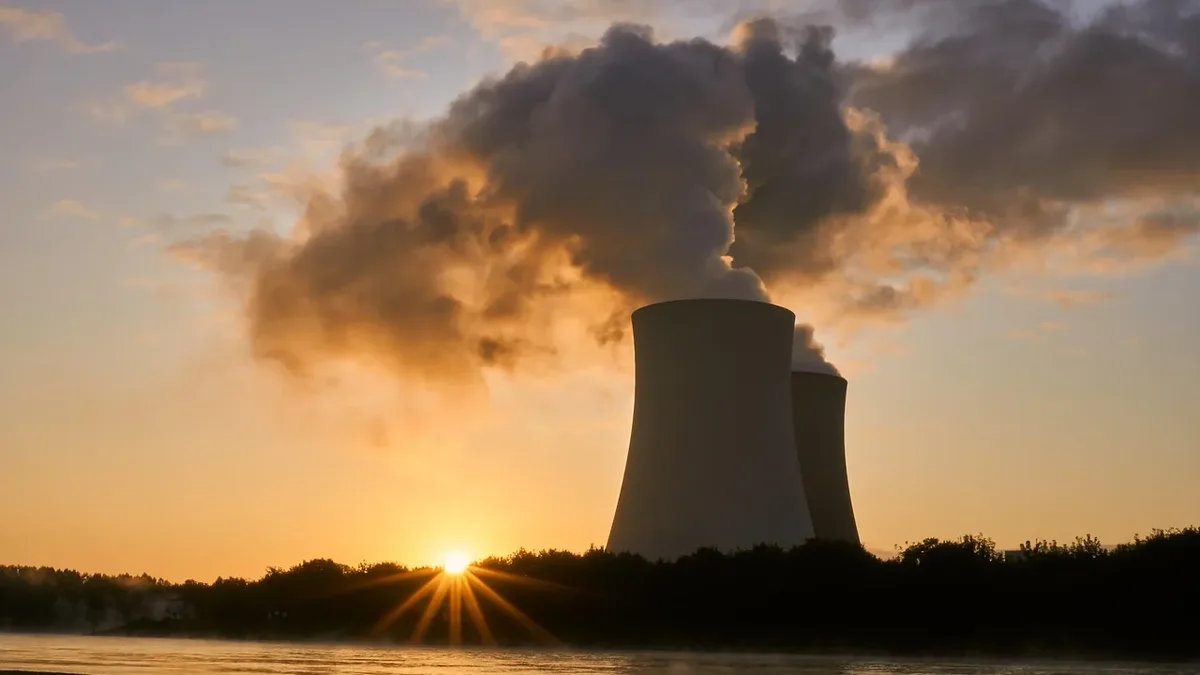
Constellation advances nuclear baseload with hybrid 'Peak+' contracts
Constellation Energy is launching 'Peak+' hybrid capacity contracts, priced $20-$50/MWh above the nuclear tax credit floor, to pair its existing...
Trump's Energy Agenda Faces Major Setbacks After Midterm Elections
Democrats secured historic victories in the 2024 midterm elections, flipping the House and Senate and winning key governorships.

Calibrant Secures $145 Million for Data Center Battery Storage
Calibrant Energy closed a $145 million debt facility to finance a portfolio including a 120-MWh battery storage system for a hyperscale data center...
Senate Passes Bipartisan Energy Bill with Data Center, Transmission Reforms
The Senate advanced the Bipartisan American Affordability and Jobs Act, mandating data centers pay their grid costs and accelerating transmission...
Democratic Governors Prioritize Clean Energy for Lower Bills
Incoming Democratic governors are making energy affordability their top priority, framing clean energy as an economic and national security solution.