Eugene Adopts Home Energy Score for Home Sales
Eugene, Oregon mandated home energy score disclosures for residential sales, becoming the fifth city in the state with such a policy, covering over 1 million residents.
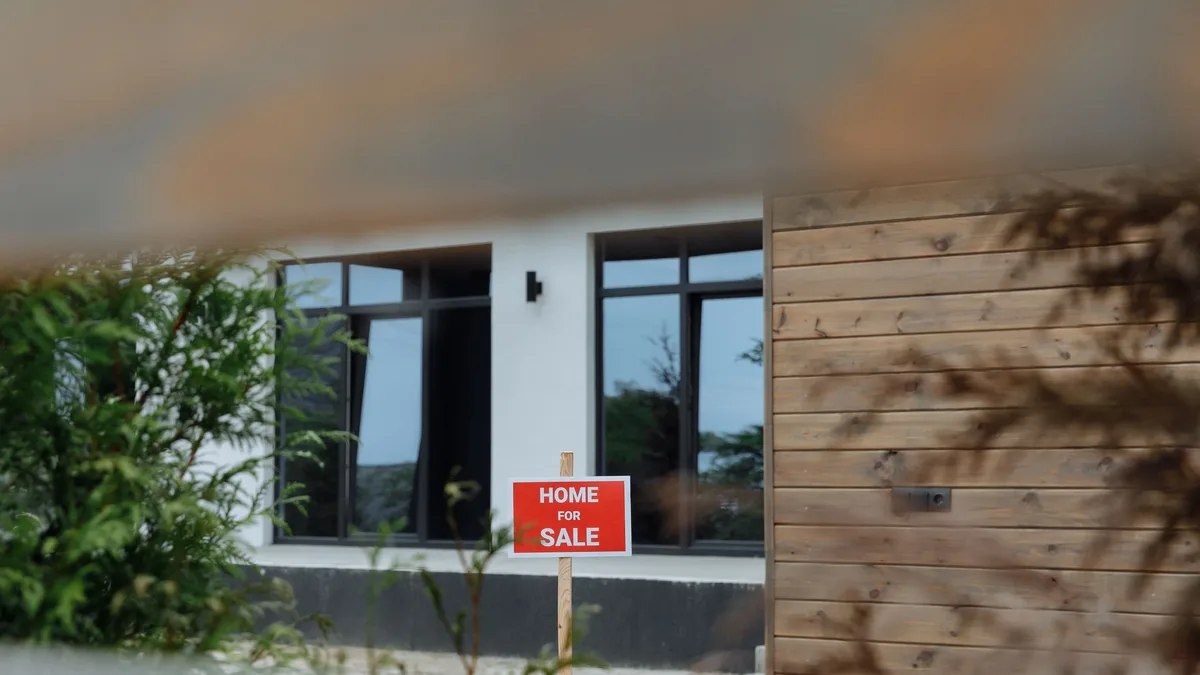
Eugene City Council passed a residential energy performance disclosure requirement on October 28th. The 6-1 vote makes Eugene the fifth Oregon city, after Portland, Hillsboro, Milwaukie, and Bend, to mandate home energy score assessments when a property is listed for sale. The policy now covers more than 1 million Oregonians, representing 24.4% of the state's residents. This adoption marks the city's first major climate policy step since a federal court invalidated its residential building electrification ordinance in April 2023.
The ordinance aims to reduce building emissions and support the city's Climate Recovery Ordinance goal of cutting emissions by 50% by 2030. Approximately 49,000 residential units in Eugene were built before 1990, representing 65% of the city's housing. These older structures typically have little to no insulation, leaky building envelopes, inefficient heating systems, and single-pane windows.
How the assessment works
Home energy score evaluations rate properties from one to ten based on insulation, heating systems, windows, and climate emissions. Assessments evaluate average energy cost, existing appliances, heating systems, windows, doors, insulation, and climate emissions. A score of 1 indicates a home uses too much energy, while a score of 10 means it uses the least.
The resulting reports include specific recommendations for improving energy efficiency and reducing emissions. They also provide information about available local, state, and federal incentives and subsidies.
Financial and community impact
Homeowners will pay between $150 and $250 for the required evaluation. City staff intend to set aside resources so low-income sellers can receive a score at no cost. The city is budgeting about $5,000 a year for this assistance program as funds are available.
Meredith Tufts, Coalition Coordinator with the Fossil Free Eugene Coalition, noted that Eugene Water and Electric Board customers can already access zero-interest loans and cash subsidies for weatherization and heat pumps. Tufts stated those programs remain deeply underutilized due to a lack of awareness.
Reactions and remaining challenges
Environmental groups applauded the policy. Bethany Cotton, Conservation Director with Cascadia Wildlands, said it ensures home buyers have vital information for important financial decisions. Dylan Plummer, Deputy Director of the Sierra Club's Clean Heat Campaign, stated that while the 2023 court decision set climate action back, this new policy is a critical signal the city is ready to move forward. Mayor Kaarin Knudson said the policy aligns the city with its energy goals and engages the community.
Realtors expressed concerns. Keller Williams Realtor Derrick Roser said a low score may turn buyers away and could force homeowners to spend up to tens of thousands of dollars on fixes. Roser noted some homeowners are on very fixed incomes and view the expense as unnecessary. The policy rollout comes as Eugene faces a $5.1 million budget deficit.
Homeowners listing properties for sale will need to obtain and post a home energy score assessment, with the policy taking effect ahead of Eugene's 2030 emissions reduction targets.