California
| Market type | Wholesale electricity |
|---|---|
| Governing body | California Public Utilities Commission (CPUC) |
| Grid operator | California Independent System Operator (CAISO) |
| Major generation sources | Natural gas, Solar, Hydroelectric, Wind |
| Peak demand period | Summer afternoons |
| Transmission connections | Western Interconnection |
| Typical demand profile | High daytime, steep evening ramp |
Overview
California operates the largest electricity market in the United States by population served and economic output. Its grid is managed by the California Independent System Operator (CAISO), a non-profit public benefit corporation that coordinates the flow of wholesale power across high-voltage transmission lines. The market structure is a hybrid, combining a day-ahead and real-time spot market for energy with a separate capacity market to ensure resource adequacy. Electricity generation comes from a diverse mix including natural gas, solar, wind, large hydroelectric, nuclear, and geothermal sources. Wholesale prices are determined by competitive bidding from generators and are heavily influenced by the availability of renewable resources, particularly solar, which can cause significant price swings. Retail electricity costs for end consumers are among the highest in the nation, reflecting not only wholesale prices but also substantial investments in transmission, distribution, public programs, and wildfire mitigation.
History
The modern California electricity market was fundamentally reshaped by a restructuring process in the late 1990s, transitioning from a vertically integrated utility model to a competitive wholesale market. This restructuring led to the creation of the California Independent System Operator in 1998 to oversee grid reliability and market operations. The early 2000s saw a severe market crisis characterized by supply shortages, extreme price volatility, and market manipulation, which resulted in rolling blackouts and financial insolvency for major utilities. In response, the state re-evaluated its market rules, imposed long-term contracting requirements for load-serving entities, and strengthened regulatory oversight. The following decades have been defined by ambitious state policy, including the Renewable Portfolio Standard first established in 2002 and steadily increased, mandating a shift toward renewable energy. This policy-driven transformation has made the integration of intermittent renewable resources, primarily solar and wind, a central technical and economic challenge for grid operations.
How it works today
The CAISO market clears every day in a day-ahead market based on forecasts, followed by a real-time market to balance actual supply and demand at five-minute intervals. Generation dispatch is prioritized based on lowest cost, with renewable resources like solar and wind typically having zero or very low marginal cost, meaning they are used first when available. The system faces a pronounced daily pattern known as the "duck curve," where a mid-day surplus of solar generation rapidly declines in the evening, requiring a steep and fast ramp-up from natural gas plants and other flexible resources. Transmission constraints are a significant factor, particularly in moving power from renewable-rich areas in the state's interior to coastal load centers. Demand is managed not only by price signals but also through extensive energy efficiency programs, time-of-use retail rates, and direct load control programs for consumers. The market also incorporates an increasing amount of distributed energy resources, including rooftop solar and, more recently, distributed battery storage, which are changing traditional grid dynamics.
Why it matters
California's market serves as a large-scale real-world laboratory for the deep decarbonization of an electricity system, directly influencing policy and technology adoption worldwide. The state's experiences with market design, from crisis to reform, provide critical lessons on the necessities of robust oversight, resource adequacy, and long-term planning in liberalized electricity markets. Its technical challenges, particularly the management of the duck curve, are being closely watched by other regions integrating high levels of variable renewables, making California's solutions and mistakes highly instructive. The high retail electricity prices directly impact household budgets and business competitiveness within the state, influencing debates on energy equity and affordability. Furthermore, the grid's reliability is increasingly tied to climate change impacts, as seen in the use of public safety power shutoffs during high wildfire risk conditions, highlighting the intersection of energy policy and climate adaptation. Finally, California's regulatory decisions often set de facto national standards due to the size of its economy, creating a "California effect" that drives innovation and manufacturing in clean energy technologies.
Common misconceptions
A common misconception is that California's high electricity rates are solely due to the cost of renewable energy; while renewables contribute, the rates are also driven by costs for transmission and distribution grid hardening, wildfire mitigation, public purpose programs, and legacy costs from past contracts and the early 2000s crisis. Another is that the state imports a majority of its power; while California is a net importer of electricity, it produces the bulk of its power in-state, with imports strategically used for reliability and economic purposes, primarily from the Pacific Northwest and Southwest. Many believe the market operates on a purely "free market" basis, but it is in fact a highly regulated construct with extensive state mandates on procurement, resource types, and emissions that fundamentally shape market outcomes. It is also incorrect to assume that periods of very low or negative wholesale prices due to solar oversupply translate directly to low bills for consumers, as retail rates are largely decoupled from these real-time wholesale price signals. Finally, the notion that rolling blackouts are a frequent occurrence is inaccurate; such events are rare and are typically caused by extreme, concurrent stressors like a regional heatwave overwhelming supply, not by routine grid operations.
Latest California news
Latest reporting
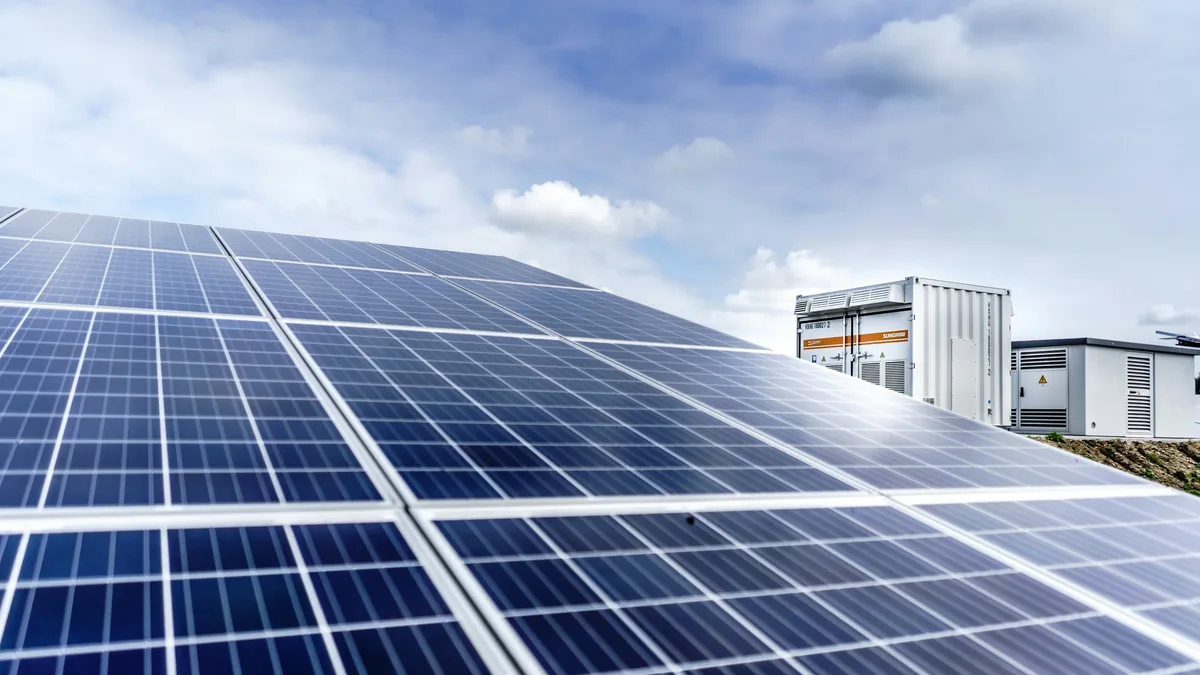
U.S. small-scale solar generation surged in 2025
U.S. small-scale solar generation reached 92,979 GWh in 2025, a near fivefold increase over the past decade, with California producing 37% of the...
PG&E expands precautionary power shutoffs across California
PG&E warned approximately 70,000 customers across 29 counties could face precautionary electricity shutoffs beginning Wednesday evening, October 14...
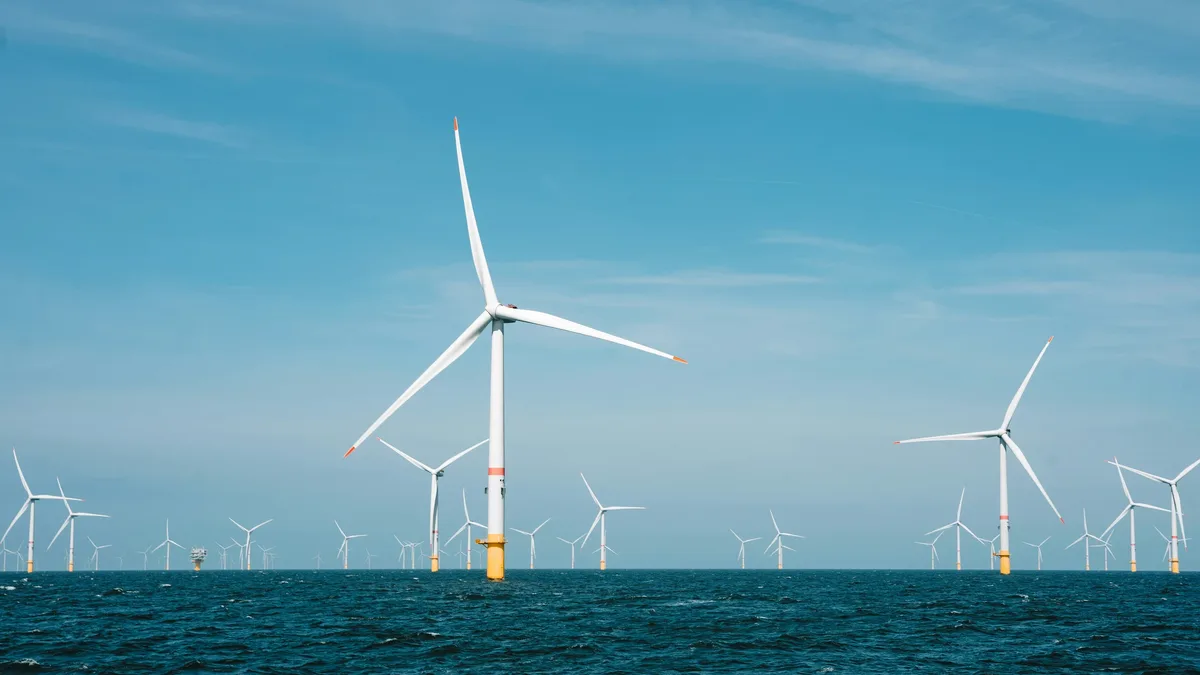
New York, California Sue to Block Trump Offshore Wind Lease Buyouts
New York and California are leading lawsuits to block agreements that paid developers to abandon federal offshore wind projects.
RMI Report Details Battery Grid Benefits Amid Slowing Growth
A new RMI analysis shows grid-scale batteries cut energy costs and boosted reliability in California and Texas, while also providing local tax...
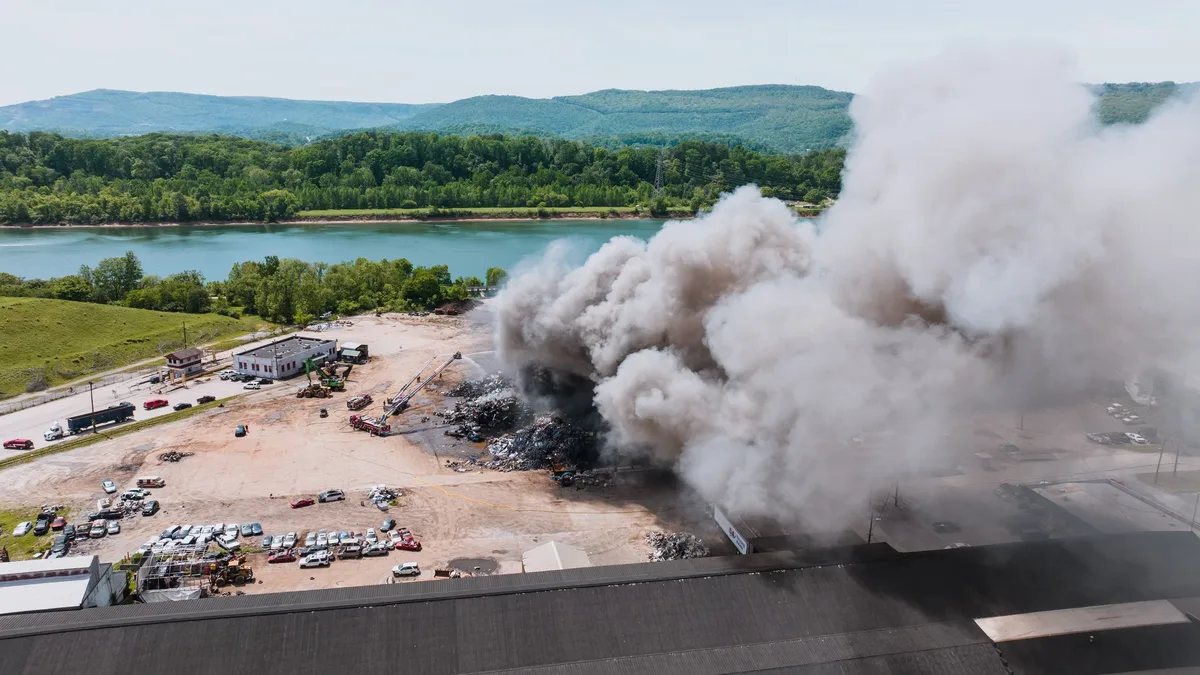
Vistra's Moss Landing battery site catches fire again
A fire broke out at Vistra's damaged Moss Landing battery facility in California, involving batteries previously damaged in a major 2025 blaze.
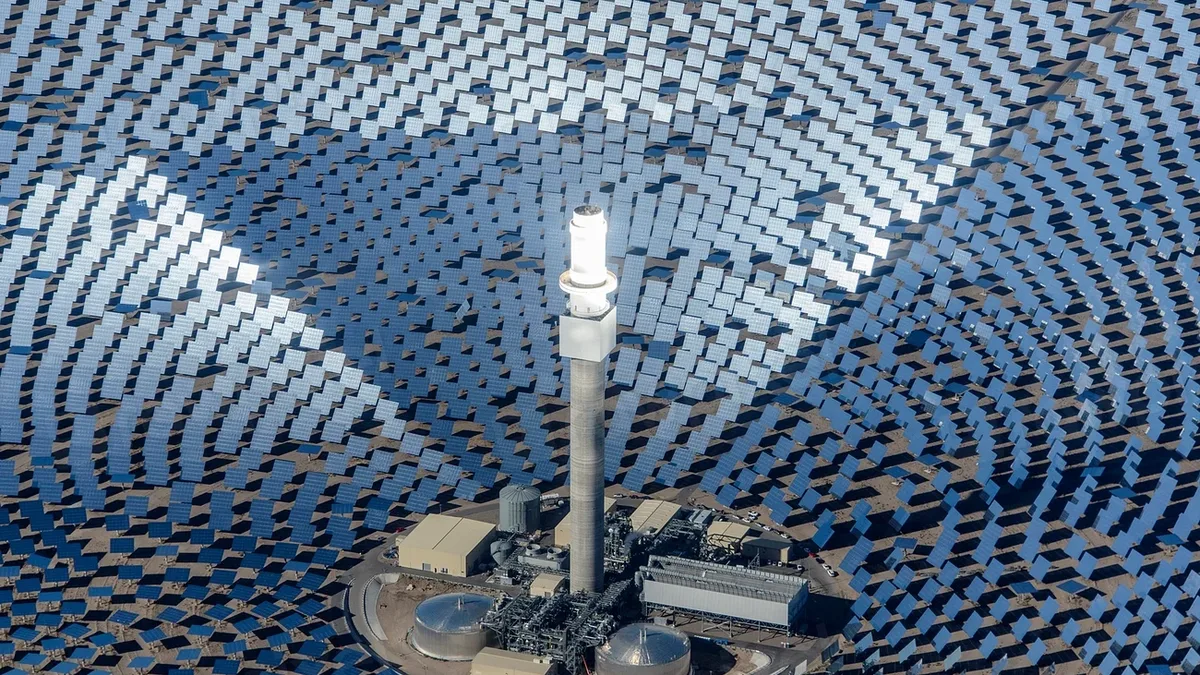
Study: Front-of-Meter Solar, Storage Can Meet 32% of California Evening Demand
A Kevala study finds front-of-meter solar and storage could serve 17.5 GW of California's summer peak load by 2032.