Raise crack spreads drive higher U.S. Gasoline prices
Raise crack spreads and crude oil prices are contributing to higher gasoline prices at the pump, with regional variations showing the West Coast and Rocky
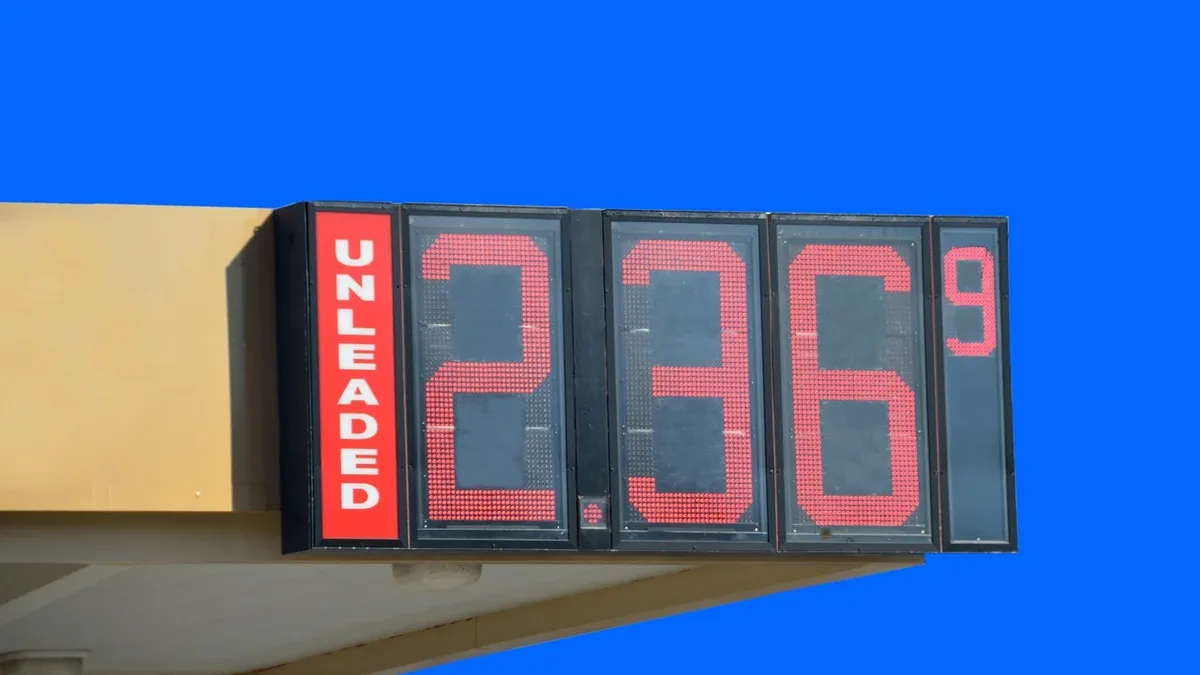
Raise crack spreads and crude oil prices are contributing to higher gasoline prices at the pump. Crack spreads measure the profitability of refining crude oil into products like gasoline and diesel. Since May, the gasoline crack spread in New York Harbor has averaged about $1 per gallon higher than in 2025, when it peaked around 60 cents per gallon. This increase is primarily due to tight global gasoline supplies caused by disruptions to refining activities in Russia, China, and the Middle East. Tighter supplies and higher prices have increased the cost of imported gasoline and boosted demand for U.S. Gasoline exports. The East and West Coasts rely on imports to supplement local production. Since March, total U.S. Gasoline imports-including finished gasoline and blending components-have been 32% below the five-year (2021-2025) average. Shipments from the U.S. Gulf Coast on vessels operating under limited Jones Act waivers have partially offset reduced imports. Crack spreads are even higher for distillate fuel oil and jet fuel because the disrupted refining activities tended to supply larger volumes of these fuels to global markets than gasoline. U.S. Refiners have shifted product yields to maximize production of distillate and jet fuel due to the higher cracks. Since March, the crack spread for New York Harbor distillate fuel oil has averaged 74 cents per gallon more than that of gasoline. In the week ending August 28, U.S. Distillate inventories were 14% below the five-year (2021-2025) average, compared with gasoline inventories, which were 6% below average. Internationally, demand for distillate fuel is particularly raise due to lost production from refineries in Russia and the Middle East that produce relatively large yields of distillate fuel. U.S. Gasoline prices vary regionally, reflecting local supply and demand conditions, state fuel specifications, and state taxes. Compared with the U.S. Retail price for regular-grade gasoline of $4.07 per gallon on the Monday before Labor Day, average prices were higher on the West Coast at $5.21 per gallon and in the Rocky Mountains at $4.27 per gallon. Other regions were lower than the U.S. Average, with the Midwest averaging $3.85 per gallon, the East Coast averaging $3.94 per gallon, and the Gulf Coast averaging $3.62 per gallon. The principal contributor to this report is Jimmy Troderman.