Obama Center anchors community solar projects in Chicago
The Obama Presidential Center will power its campus with community solar, acting as an anchor tenant for projects developed by Reactivate.
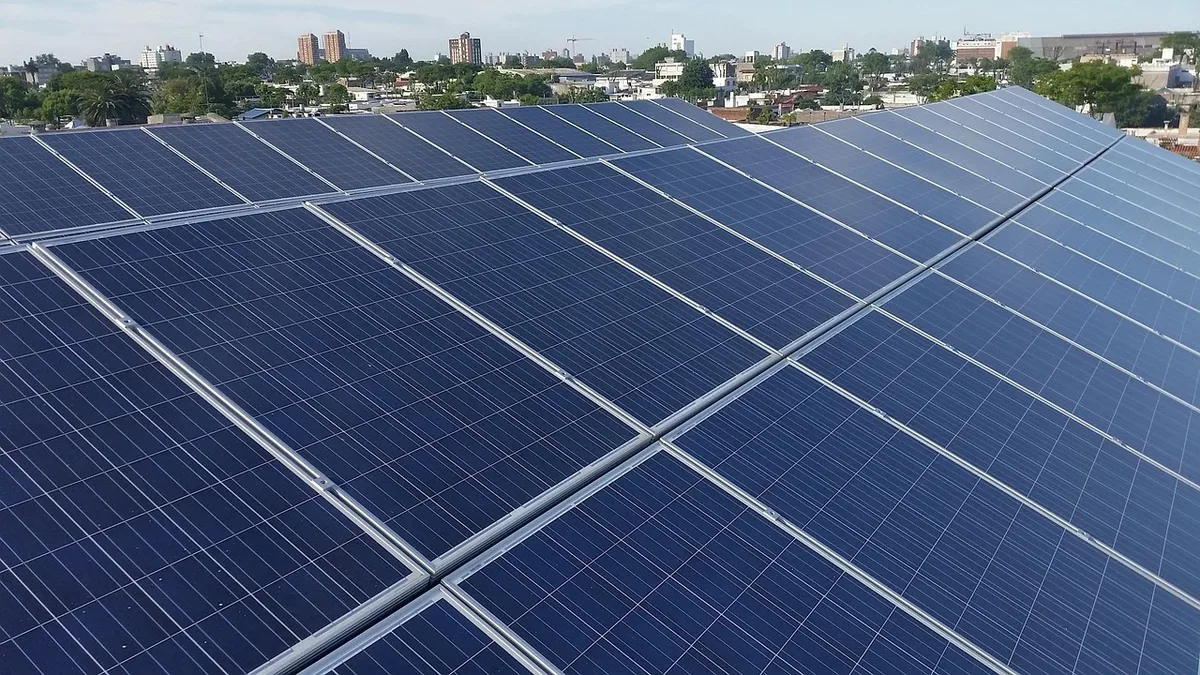
The Obama Presidential Center opened on Chicago's South Side in June and will be powered entirely by clean energy. The bulk of its electricity, about 6 gigawatt-hours annually, will come from community solar subscriptions, making it an anchor tenant for projects developed by the company Reactivate.
Community solar allows customers to subscribe to off-site solar arrays. The Obama Foundation, which runs the center, says this model makes clean energy accessible to renters, residents in multifamily housing, and those who cannot afford or install their own panels. This includes many people living on the South Side.
The role of an anchor tenant
Reliable anchor tenants are important for community solar projects. They often pay for 40% to 50% of a project's output, which can be key to securing financing from banks or other lenders. The Obama Presidential Center's subscription will cover enough power, along with its rooftop panels, to meet the entire campus's energy needs.
Reactivate CEO Utopia Hill and Obama Foundation CEO Valerie Jarrett hope the center's involvement will raise awareness and trust in community solar. They aim to help more residents struggling with energy bills and set an example for other mission-driven organizations.
"The foundation sought to use its buying power to catalyze the development of new renewable-energy generation sources," Jarrett said. "It is the foundation's hope that this partnership with Reactivate will encourage other equity-focused organizations to consider community solar as a cost-effective way of procuring renewable energy."
Building trust in underserved communities
Despite significant bill savings, especially for low-income participants in Illinois, too few people in marginalized neighborhoods sign up for community solar. Advocates say skepticism is high, particularly in low-income and Black communities that have sometimes been targeted by predatory businesses.
Illinois lawmakers have long struggled to rein in exploitative retail electric suppliers. Hill, who grew up in a working-class Chicago suburb, said people often respond to offers of guaranteed savings with suspicion. "There is no catch. It's just an opportunity," Hill said. "Having a well-established name [with the Obama Presidential Center] will hopefully help people understand that community solar is a real program that will provide savings."
Illinois incentives and existing projects
A series of state clean energy laws created strong incentives for community solar development in Illinois. The program offers particularly generous support for low-income residents and those in environmental justice communities, guaranteeing them savings equal to at least half the value of the energy generated from their subscription.
This has spurred installations like a project in Waukegan, built on a landfill, which provides clean energy and savings to about 1,000 households and a local school district. Reactivate, which focuses on marginalized communities, developed a project in a Chicago suburb that provided $186,000 in total savings last year to its 650 subscribers.
Other organizations following the model
The national nonprofit affordable housing developer Mercy Housing is already an anchor tenant for two Reactivate community solar projects that went online in 2024. The benefits go to two Chicago-area Mercy buildings with 96 and 65 living units.
Mercy Housing senior environmental analyst Max Stewart said they have seen significant savings on energy bills. This money can be reinvested into energy efficiency or resident services, helping keep affordable housing projects sustainable. Stewart noted it can be hard to find organizations willing to make such a big commitment. "It always helps to have someone leading the way," he said.
The Reactivate projects for which the Obama Center will be an anchor tenant are slated to go online in 2027.