California Sues Over Offshore Wind Lease
California's Attorney General and Energy Commission have sued the Trump administration and the Golden State Wind developer over a $120 million deal to
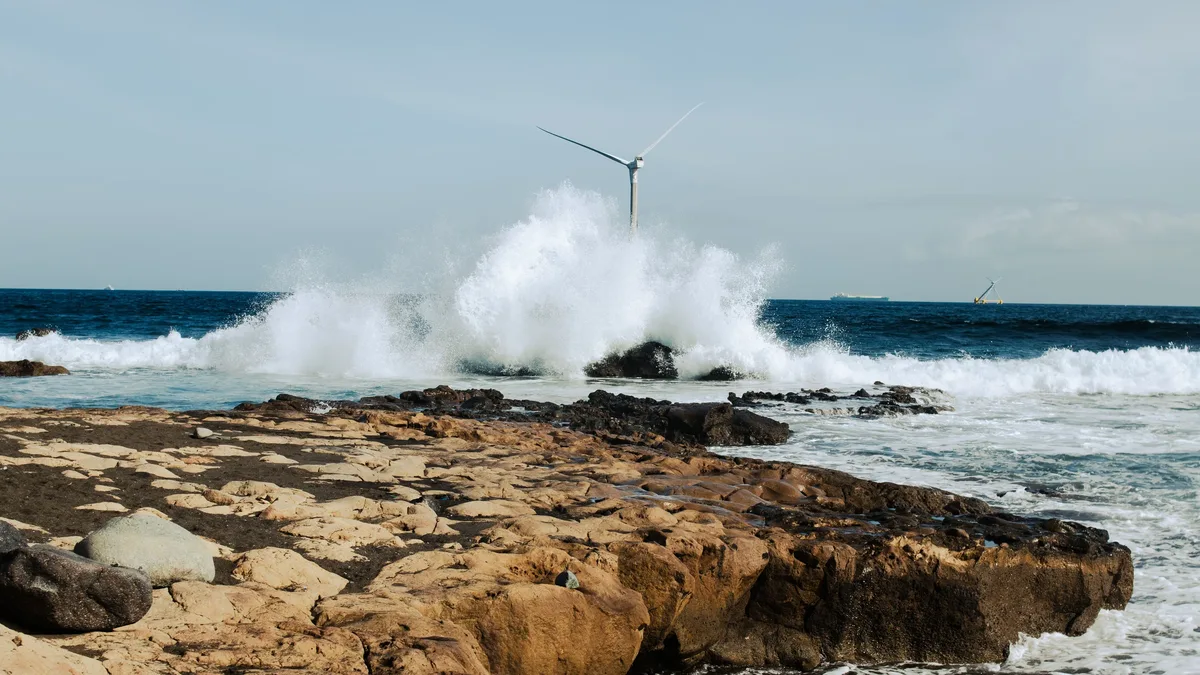
California Attorney General Rob Bonta and the California Energy Commission filed a lawsuit on Friday. They are suing the Trump administration and the developer of Golden State Wind over an agreement to cancel an offshore wind lease.
The lawsuit centers on a deal reached in April. The Trump administration agreed to pay Golden State Wind $120 million to cancel its lease for an area off California's central coast, known as OCS-P 0564. The developer's winning bid for that lease had been $150.3 million. The lease area in Morro Bay had an estimated installation capacity of 2 gigawatts.
The 'TotalEnergies Model' of Buyouts
According to the legal filing, this agreement follows a pattern established by the Trump administration. The first such deal was struck in March with TotalEnergies, a French multinational energy company. That company agreed to relinquish two offshore wind leases off the coasts of North Carolina and New York. In exchange, it received $928 million from the federal government.
The lawsuit describes this approach in harsh terms. "This 'TotalEnergies model' of buyout operates with the cynical logic of an extortion racket," the filing states. It argues the administration first devalues the leases, then offers the original bid amount for cancellation, creating an offer developers cannot refuse due to fiduciary duties.
Comparable Lease Cancellation Deals
The source report details several comparable agreements between the Trump administration and offshore wind developers. The financial terms and capacity involved are presented below.
| Developer | Lease Location(s) | Total Capacity | Cancellation Payment |
|---|---|---|---|
| Golden State Wind | Morro Bay, CA (OCS-P 0564) | 2 GW | $120 million |
| TotalEnergies | North Carolina & New York | 4.2 GW | $928 million |
| Invenergy | Morro Bay | 1.5 GW | Not specified in source |
Reinvestment in Fossil Fuels Criticized
A further point of contention in the lawsuit is how proceeds from these deals are used. The administration's agreements with developers stipulate that the funds be reinvested in other forms of energy generation. For example, TotalEnergies agreed to invest its $928 million into U.S. oil, natural gas, and liquefied natural gas production.
California's lawsuit criticizes this diversion of funds away from renewable energy. The state argues it has made significant investments in anticipation of offshore wind development. According to the filing, California has invested over $100 million to support these projects. This funding went toward creating a statewide strategic plan and developing ports and transmission facilities.
Broader Criticism of the Precedent
The lawsuit claims the federal government acted without regard for California's reliance on the lease. The state expected its investments to yield economic growth, jobs, and progress toward clean energy goals. The cancellation of the lease undermines those plans.
Other parties have also criticized the administration's methods. In a June statement, Sierra Club Senior Advisor Nancy Pyne called the agreements "shady backroom deals." Former Bureau of Ocean Energy Management Director Liz Klein expressed concern in April about the precedent being set. She warned against creating a situation where companies could buy leases, not develop them, and then get their money back, potentially for anti-competitive purposes.
The lawsuit seeks to challenge the legality of the agreement with Golden State Wind and the broader policy of lease buybacks.