Indiana power outage highlights Solar for
A two-week power outage in Gary, Indiana, following August storms has underscored the lost opportunity from the federal Solar for All program's
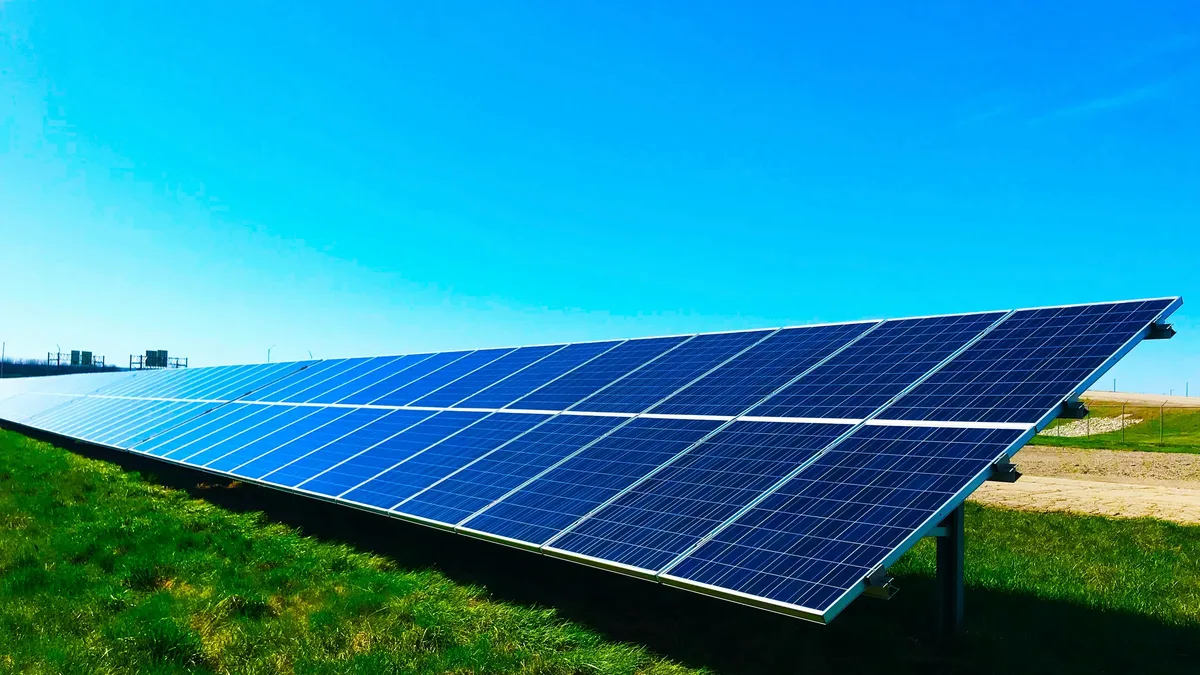
A massive power outage in Gary, Indiana, has highlighted what the city lost when the federal Solar for All program was canceled. Thousands of residents, including city council member Lori Latham and NAACP chapter president Stephen Mays, were without electricity for up to two weeks after violent storms struck northwest Indiana on August 11.
For Latham, the ordeal meant struggling to care for her constituents, her children, and her 91-year-old father without refrigeration or lights. Mays scrambled to serve insurance clients with storm-damaged homes. Both agree a planned network of solar panels and batteries, funded by the now-canceled Solar for All program, would have provided critical backup power.
Canceled Program and Its Goals
The Solar for All program was created by the Inflation Reduction Act. Indiana had been awarded $117 million under the program to fund solar, battery, and microgrid installations in marginalized communities. Tens of millions of those dollars were earmarked for Gary, according to the report from Canary Media.
The effort was put on hold when President Donald Trump canceled the program last August. EPA Administrator Lee Zeldin reportedly called the larger initiative it was part of a boondoggle. The cancellation filled Councilwoman Latham with grief as she watched environmental justice initiatives get eliminated.
Denise Abdul-Rahman, founder of the nonprofit Black Sun Light Sustainability, said her organization was awarded nearly $30 million of the state's total allocation. The funds were to deploy 200 residential solar-plus-storage systems, 50 resiliency hubs with energy storage, and five community solar arrays statewide. Projects in Gary included one community solar array and about a dozen residential systems.
The Stakes of Energy Resilience
The prolonged outage demonstrated the acute need for energy resilience in Gary. The storms affected over 300,000 customers across the region. Alison Becker, program director for the Indiana Community Action Association, noted that before the outage, there was skepticism about needing battery systems in an area not prone to hurricanes. This showed we need to be resilient for whenever these events occur, Becker said.
Indiana has seen 84 tornadoes in 2026, breaking the previous annual record. Obviously, the climate is not going to get any better, Mays said. Northwest Indiana is now a new Kansas.
Beyond resilience, a core goal of the Solar for All funding was to reduce energy costs. Gary residents bear a steep energy burden. Electric rates for a typical household served by utility NIPSCO rose by around $83 a month between 2023 and 2025. The program would have allowed lower-income households to reduce bills with clean energy at no out-of-pocket cost.
Financial and Legal Hurdles
Without federal incentives, the upfront cost of solar-plus-storage is prohibitive for many in Gary, where the median household income is $38,700. Black Sun Light Sustainability is among eight plaintiffs that sued the U.S. EPA last fall over the program's cancellation. No ruling has been made.
Abdul-Rahman expressed hope that the court or a future change in federal administration could restore funding. She also suggested the state of Indiana could step in, pointing to the state's $1.14 billion rainy day fund. They could easily fund Solar for All, she said.
Latham believes restoring the funding would let work resume on projects she calls transformational for Gary. Reflecting on how neighbors leaned on each other during the outage, she wondered how much more could have been done if the Solar for All investments had been kept.