Alabama Power Markets Surveillance Cameras
Alabama Power has partnered with over 80 municipalities to install and maintain Flock Safety surveillance cameras on its utility poles.
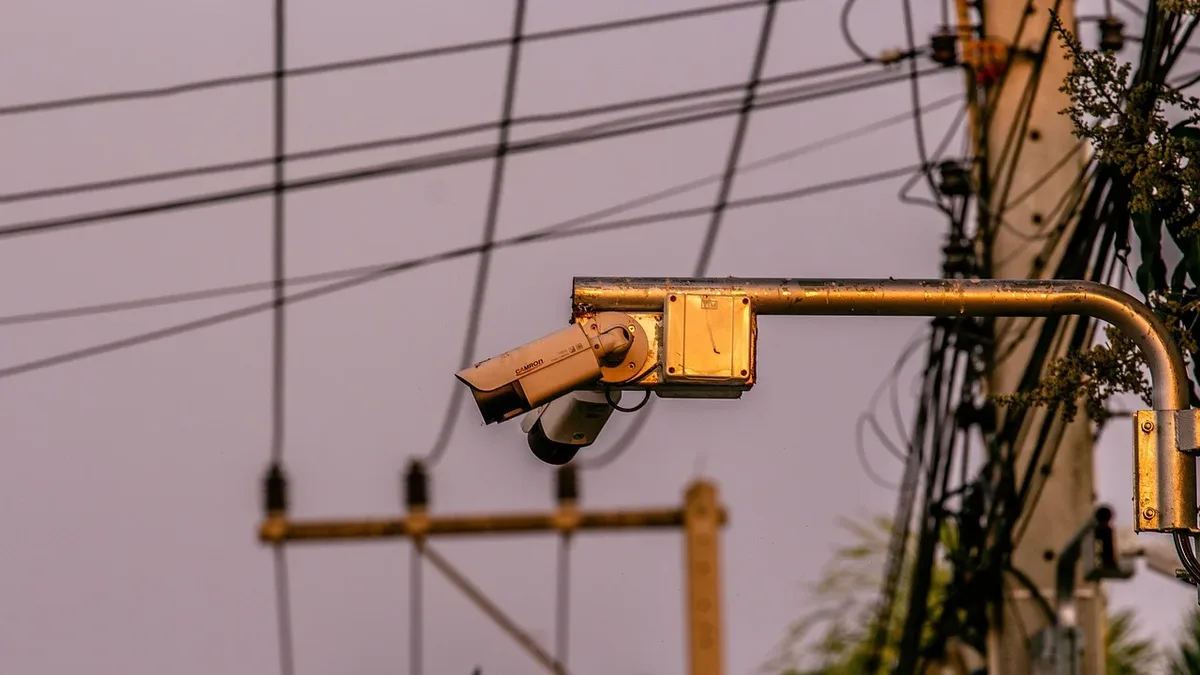
Alabama Power has marketed and installed automated license plate readers and surveillance cameras for over 80 municipalities across the state since at least 2019. The utility, described by camera firm Flock Safety as its "longest-standing reseller," adds the subscription cost for the equipment as a line item on local government power bills.
The arrangement provides Alabama Power with a new revenue stream while giving cities easy access to power poles for ideal camera placement and a ready electricity source. A company representative confirmed the scale of the partnerships in 2025. Law enforcement agencies have praised the technology as an effective tool.
Utility's Role in Surveillance Network
Alabama Power's website states it serves municipalities, housing authorities, and businesses by providing security cameras, license plate recognition, pole access, electric service, and internet connectivity. The company emphasizes streamlined deployment and maintenance, leveraging its existing infrastructure. "We coordinate installation, connectivity and infrastructure needs through a single provider," its website claims.
The utility installs and maintains the equipment but says it does not operate the systems or access the data collected.
Resident and community organizer Darrell Nance of Birmingham has worked to get answers about these contracts. "I don't think they really care," Nance said of local officials. "They're more worried about their relationship with people like Alabama Power than their relationships with constituents."
Data Scale and Legal Scrutiny
Public records show the surveillance network is extensive. Data aggregated by Inside Climate News documents more than 3 million search instances by users with Flock access in Alabama, with records dating to 2020. Officers or users from more than 180 local governments or police departments in the state have searched the Flock database.
This scale has prompted bipartisan concern over privacy. State Senator Arthur Orr, a Republican from Decatur, filed legislation in 2021 to place limits on automated license plate readers. His bill required secure data storage, publicized use policies, and criminal penalties for misuse.
It passed the Senate unanimously but died in the House. Orr blamed opposition from law enforcement and plans to introduce an updated bill in 2027. "I have real concern...
Where law enforcement has used it to illicitly snoop on whomever they want," Orr said.
Elizabeth Joh, a law professor at UC Davis, studies policing and technology. "I would think there are Alabama Power customers who would be alarmed that sensitive location data..." Joh said.
Law Enforcement Advocacy and Efficacy
The Alabama Sheriffs Association vigorously defends the technology. In a July social media post, it argued that "every day, dare I say perhaps every hour, these emerging technologies lead to the arrest of wanted persons." The post, which went viral, asked the public to be thankful and pray for law enforcement while acknowledging the need for proper policies.
However, research on automated license plate readers indicates the technology has limited, if any, deterrent effect on crime. The debate often cites Benjamin Franklin's quote about trading liberty for safety, which Flock Safety has argued is used out of context. Conservative media in Alabama have published stories with headlines like "Flock cameras are quietly tracking Alabama gun owners," illustrating the privacy fears.
The contracts between Alabama Power, local governments, and Flock are typically not publicly disclosed, though some have been obtained via records requests. Nearly all are identical, binding municipalities to the terms set by the utility and the surveillance company.
Source: Inside Climate News