Virginia solar bulk-buy cuts costs
Virginia is the first U.S. state to launch a statewide bulk-purchasing program for rooftop solar, aiming to cut installation costs by 20-30% for
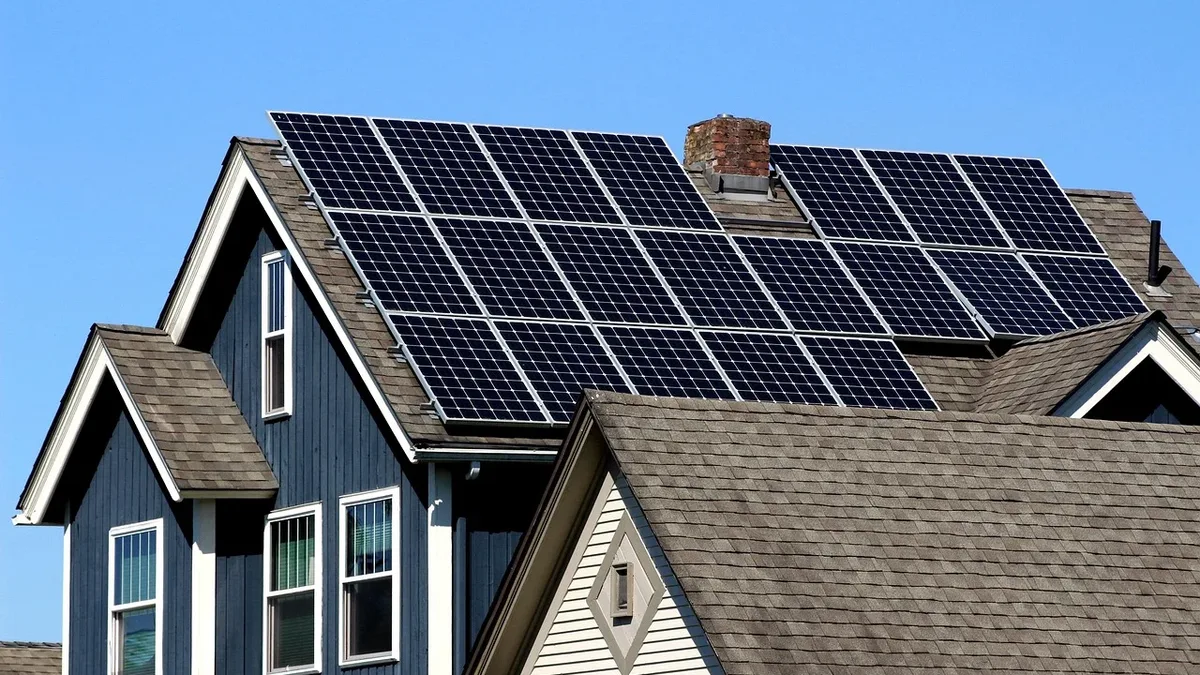
Virginia became the first state to launch a statewide bulk-purchasing program for rooftop solar last month. The initiative, called Switch Together, is run by the nonprofit Solar United Neighbors and aims to lower installation costs for participants by pooling demand to secure equipment discounts.
The program operates without state funding but has the partnership and endorsement of Governor Abigail Spanberger's office. The governor's chief energy officer, Josephus Allmond, stated the goal was to drive deeper savings by opening the program to the entire state. The effort responds to rising utility rates in a region dense with data centers.
Solar United Neighbors has used this model locally for years. Bulk purchasing reduces strain on the grid, argues the group's Virginia director, Brandon Praileau. Less strain means less need for costly new infrastructure that all ratepayers would fund.
Program Reach and Expected Savings
Since its announcement in July, over 4,300 residents, small businesses, and nonprofits have registered for details. One hundred twenty have signed contracts. The campaign closes on October 15. Praileau expects final numbers to reach roughly 5,000 information requests and about 500 signed contracts.
He calls that a utility-scale amount of solar, nearly 4 megawatts. The rooftop panels are expected to cut an average of $2,200 from annual utility bills. Installation savings vary but range from 20% to 30% off standard costs, vital discounts after the loss of a federal tax credit. For more on related energy trends, see our stats page.
| Savings Metric | Figure or Range |
|---|---|
| Expected annual utility bill reduction | $2,200 |
| Installation cost discount | 20% to 30% |
| Expected total capacity from signed contracts | Nearly 4 megawatts |
How the Bulk-Purchase Model Works
The model's recent success relies on partnerships with local governments. Their seal of approval lends credibility and their outreach boosts participation. In Richmond, a campaign using local government mailers resulted in about three times as many installations as a prior nonprofit-only effort.
"That level of direct marketing has proved to be the whole difference-maker," Praileau said.
The program primarily focuses on solar but also offers participants access to discounted home batteries, EV chargers, and, in some areas, heat pumps. This approach is part of a broader shift in community energy fixtures.
Logistical Challenges and Future Plans
Expanding statewide presented hurdles. Finding enough vetted installers in every region was a limiting factor. The current campaign spans 100 counties and cities but excludes extreme southwest Virginia due to a lack of vetted installers there in time for this year's rollout.
Praileau believes that gap will be filled by next year. Switch Together hopes to conduct another drive in partnership with the state then.
Interest has been broad, coming from politically conservative areas like the Shenandoah Valley as well as more expected locales. Praileau sees this as evidence of widespread desire to lower energy costs.
The group views this as a replicable model for other states facing similar pressures of high electricity costs and data center demand. They are documenting best practices to offer a road map for others. Praileau concluded, "I think this is ultimately a model for any state."