BLM Accelerates Alaska Pipeline Review
The Trump administration is expediting the 30-year reauthorization of the 800-mile Trans-Alaska Pipeline System, shortening the public comment period to 15
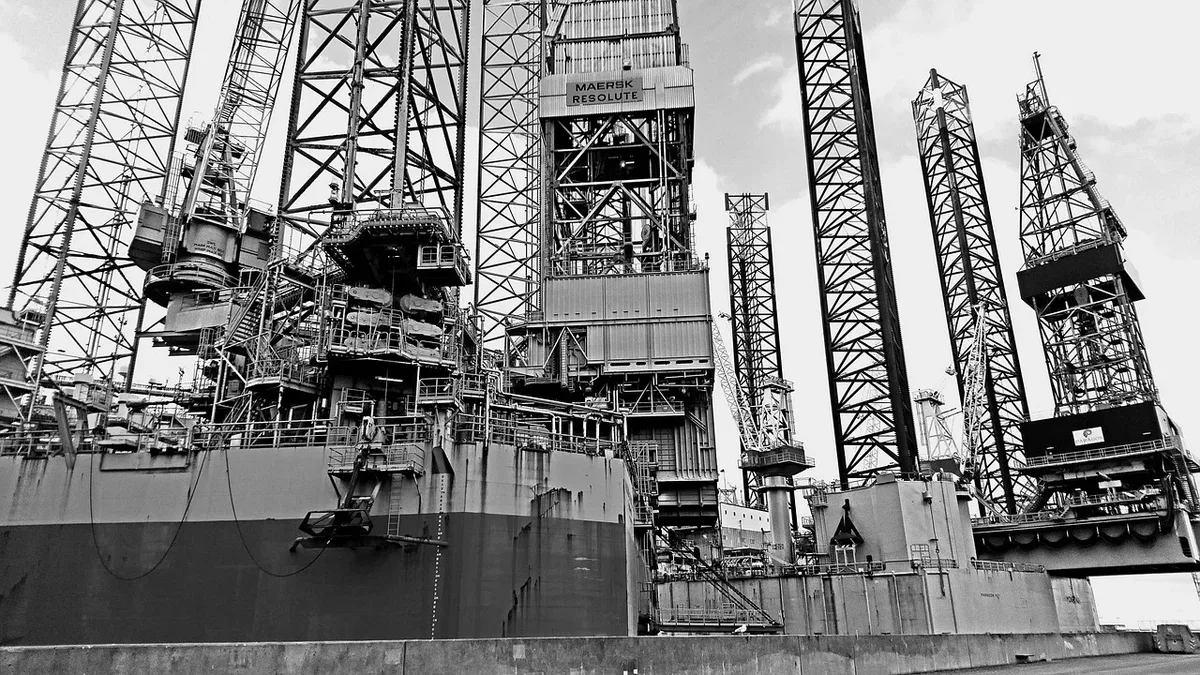
The Trump administration is fast-tracking the environmental review to reauthorize the 800-mile Trans-Alaska Pipeline System for another 30 years. The Bureau of Land Management (BLM) has also cut the public comment period for the project to just 15 days, a significant reduction from the typical 30 to 60 days or more.
BLM, part of the U.S. Department of the Interior, was not scheduled to renew the pipeline's right-of-way until 2034. This would have been the third renewal since the pipeline's initial authorization in 1974.
"We are acting now to secure the pipeline’s future as we work to unlock the energy resources of the National Petroleum Reserve in Alaska and the Coastal Plain of Arctic National Wildlife Refuge," said Kevin Pendergast, BLM Alaska state director. Pendergast stated the pipeline is "only growing in its importance to Alaska’s economy and global energy markets." The BLM’s Alaska office did not respond to a request for comment from Inside Climate News.
Pipeline Operations and Ownership
The pipeline has moved over 19 million barrels of oil from Alaska’s North Slope since starting operations in 1977. Last year, it transported an average of 463,000 barrels per day, according to BLM.
Ownership of the pipeline includes ConocoPhillips, ExxonMobil, and Harvest Alaska. Federal records show ConocoPhillips and ExxonMobil each contributed $1 million to Trump’s inaugural fund.
Criticism and Climate Context
Watchdog group PEER says the expedited review indicates the administration "is seeking an early, quick renewal to preclude long overdue consideration of mounting economic and ecological concerns." This criticism comes amid broader climate policy actions.
On January 20, 2025, President Trump signed the executive order "Unleashing Alaska’s Extraordinary Resource Potential." The order directs a ramp-up of fossil fuel development on federal and state lands in Alaska and calls for faster permitting of such projects.
Alaska is warming at two to three times the global average. Federal data shows average annual temperature increases since 1971 ranging from 2.2 degrees Fahrenheit in central Southeast Alaska to 6 degrees on the North Slope.
"The oil burned from Alaska’s pipeline has come with a huge cost to our state’s climate," said Cooper Freeman, Alaska director at the Center for Biological Diversity. "It’s driving declines in salmon and caribou, and contributing to mega-storms that are making communities unlivable."
Freeman added, "Alaska is facing massive climate disruption, but Trump wants to give the oil companies carte blanche to continue business as usual for the next three decades. This process should be thorough and public, not rammed through at the behest of billionaire oil company owners."
The pipeline was approved by Congress on November 16, 1973, shortly after the Arab oil embargo. It opened in 1977 despite environmental concerns about wildlife habitats, permafrost, and tribal cultural practices.
Public Comment Details
The deadline for public comment on the pipeline reauthorization is September 10 at 10 p.m. Alaska Time. Comments can be submitted via the BLM website or by email.