FCC Drone Ban Threatens Electric Aviation
The FCC is proposing to ban most commercial drones, citing national security, a move critics link to financial gains for firms tied to political insiders
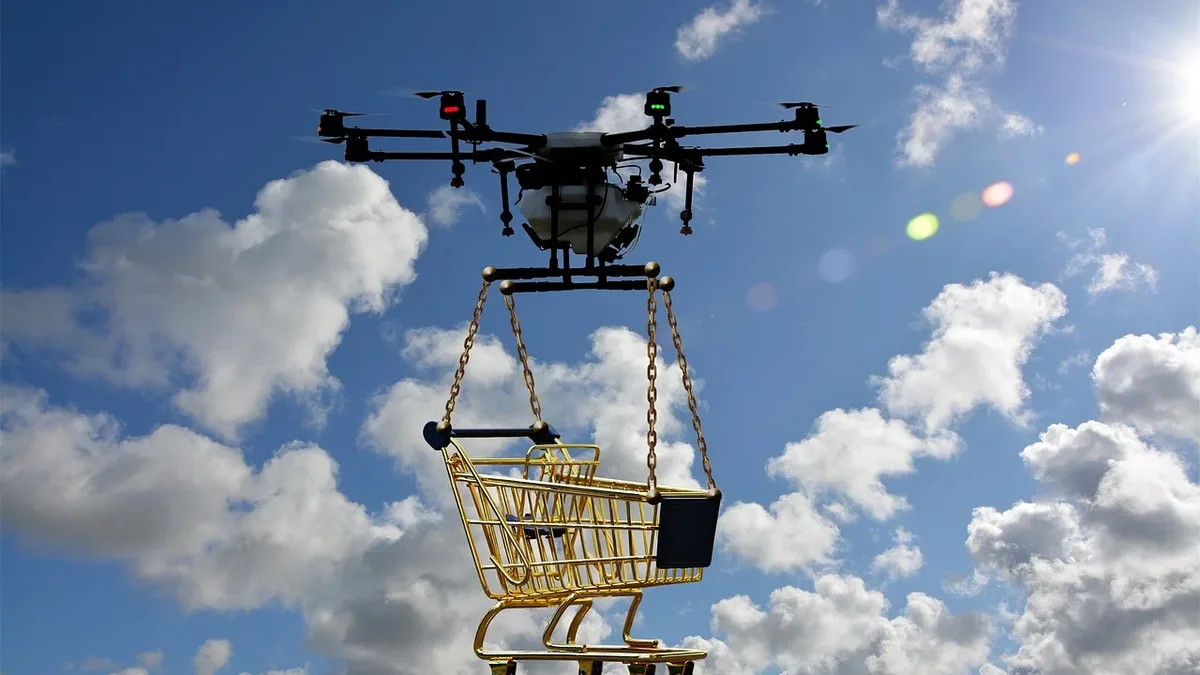
The Federal Communications Commission is proposing a rule that would ban the import and marketing of most foreign-made commercial drones. Critics allege this move, justified by national security, is a pay-to-play scheme that enriches political insiders like Donald Trump Jr. while harming small businesses and utilities that depend on affordable electric aviation.
For years, practical electric aviation has thrived in the form of small drones. These battery-powered aircraft have replaced fuel-guzzling helicopters for critical tasks like inspecting high-voltage transmission lines and aiding search and rescue. A pilot can now use a two-pound drone to do a job that once burned 20 to 30 gallons of fuel per hour. This shift has saved money, reduced emissions, and improved safety.
The Proposed Ban and Its Broad Definitions
The FCC's proposal, Public Notice DA 26-758, seeks to revoke authorizations for foreign-made commercial drones by labeling them "military-grade." The definitions used are broad. They would classify drones with basic thermal cameras, LiDAR sensors, automated docks, or coordinated flight software as military weapons. This sweep could include drones used for finding heat leaks or creating light shows. The agency claims the ban is needed to stop data exfiltration to foreign servers. Professional pilots counter that this is an operational issue, often addressed by using air-gapped workflows and offline devices.
Financial Links and Market Motives
If the technical arguments are weak, the financial incentives for certain parties appear strong. Weeks after the 2024 election, the company Unusual Machines appointed Donald Trump Jr. to its advisory board and granted him hundreds of thousands of shares. Its stock price soared over 80% that day. Watchdog group CREW noted the firm was struggling before acquiring hobby brands. Its stock rose again when new federal support for domestic drone makers was announced. A cluster of domestic startups and lobbyists have pushed for such bans, unable to compete on price or reliability in an open market.
Economic and Operational Consequences
The FCC calls the expected economic fallout "minor and contained." This claim is contested. Currently, a prosumer drone costs between $1,500 and $3,000. If the ban passes, the only domestic alternatives with similar features are defense-tier platforms costing $15,000 to $25,000. The agency says pilots can keep flying existing drones but ignores battery degradation. Commercial batteries last 150 to 250 cycles, wearing out in 12 to 18 months. A ban on importing replacement parts would effectively ground fleets. This transfer of cost from small operators to defense contractors represents a major wealth shift.
Impact on Journalism and Public Oversight
The rule also threatens a tool that has democratized visual journalism. Drones have allowed independent reporters to cover events like chemical spills or pipeline construction, tasks once only affordable for large media conglomerates. Imposing a $15,000 price floor to access the sky acts as a financial barrier to newsgathering. Legal precedent suggests such barriers can raise constitutional issues regarding press freedom. The practical effect would be to reduce public oversight of industrial and government activities, a concern for those monitoring utility projects and environmental impacts.