AI Boom Drives US Battery Storage Growth
The AI boom is accelerating U.S. battery storage deployment, with 10.3 GW of new capacity added in early 2026.
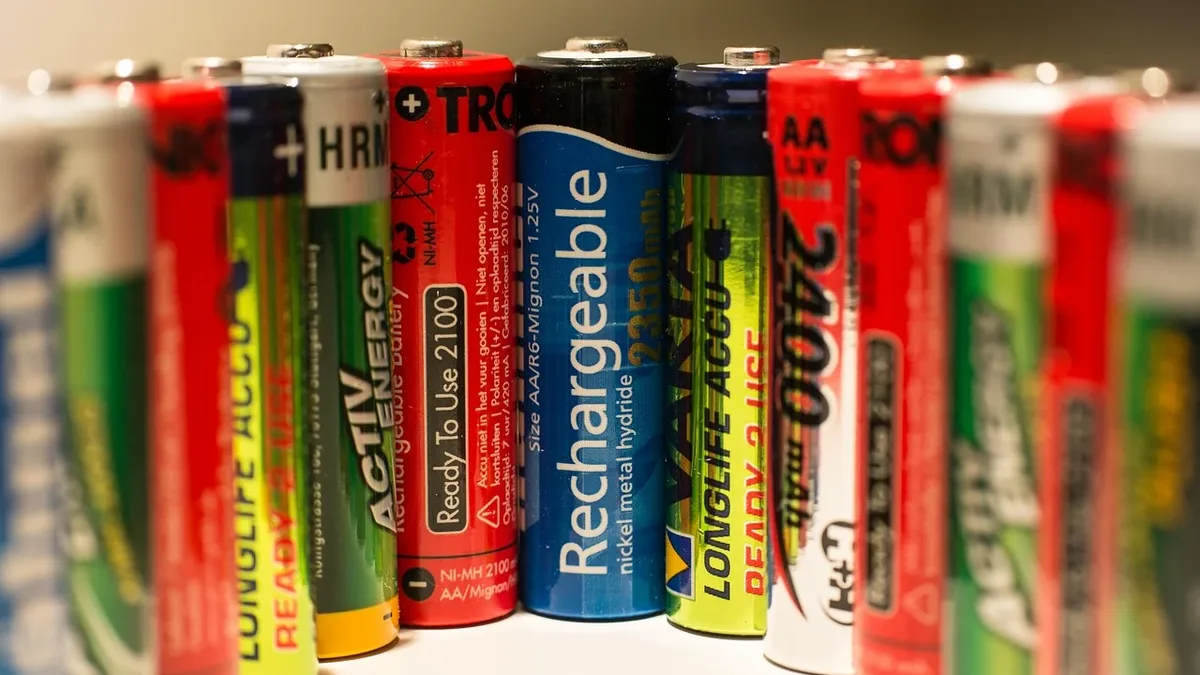
The AI boom is accelerating U.S. battery storage deployment, with 10.3 gigawatts of battery storage capacity added in the first half of 2026. This 31 gigawatt-hour surge represents a more than 23% jump over the same period in 2025, according to new research from the Solar Energy Industry Association and Benchmark Mineral Intelligence. A handful of massive grid-tied projects drove the growth, with just seven installations accounting for over half of all utility-scale deployments.
Project delays are expected to slow the pace for the rest of the year. Analysts now forecast 61 gigawatt-hours of new capacity for 2026, down sharply from the 90 gigawatt-hours anticipated in January.
Despite the near-term slowdown, the long-term outlook has brightened. Analysts have revised their 2030 projection for utility-scale storage upward by 9%, to 115 gigawatts. Regulatory action is a key factor. The Federal Energy Regulatory Commission has directed regional grid operators to review their large load interconnection tariffs, which could streamline new projects.
Long-term power purchase agreements are also fueling optimism. In February, Google agreed to buy a 30-gigawatt-hour system from iron-air battery maker Form Energy. Such deals between hyperscale data center operators and power producers are locking in future capacity.
Behind-the-Meter Storage Dominated by Data Centers
Data centers are the primary force behind a rapid expansion in behind-the-meter battery installations. These on-site systems are a core part of the speed-to-power strategy for companies like Amazon, Meta, and xAI. The report explains that these firms are building "energy islands," pairing batteries with fossil gas turbines and generators to manage load surges and improve operational efficiency.
Since 2025, data centers have driven the vast majority of behind-the-meter demand, a trend expected to continue. Their share of this market is projected to grow dramatically.
| Year | Data Center Share of Behind-the-Meter Installations |
|---|---|
| 2022 | 2% |
| 2024 | 21% |
| 2026 (H1) | 75% |
| 2030 (projected) | 90% |
Overall, behind-the-meter storage is expected to grow from 14% of total battery deployments in 2026 to 24% by 2030. Annual data center demand for these systems is forecast to scale from roughly 5 gigawatt-hours this year to 24.4 gigawatt-hours by the end of the decade.
The duration of these battery systems is also increasing. The average discharge duration is expected to rise from 2.05 hours this year to 3.25 hours by 2030. This shift enables multi-hour energy shifting to leverage renewable power and bridge grid constraints, moving beyond simpler functions like peak shaving.
Residential Storage Finds a New Catalyst
The residential energy storage market faces challenges, including the expiration of a key tax credit last year. Full-year 2026 deployments are projected to drop by 16%. However, this is a significant improvement over the 49% year-over-year decline previously forecast by SEIA.
The data center boom is providing an unexpected secondary catalyst. Hyperscalers looking to bypass grid interconnection queues are participating in "bring your own capacity" programs through asset aggregators. Google recently agreed to buy 100 megawatts of capacity in the PJM grid region from aggregator Voltus.
This trend is pulling residential batteries into the fold. Voltus, historically focused on commercial clients, has expanded its residential portfolio through partnerships with Octopus Energy and Sunrun. The residential market is shifting toward third-party ownership models, where companies like newcomer Base Power install and control home batteries in exchange for providing the service.
Utilities Experiment with Alternative Financing
Utilities are experimenting with alternative financing. New Jersey's Public Service Electric & Gas Company unveiled a program called GridSmart. It will help finance customer-owned batteries that are then integrated into the utility's virtual power plant portfolio to reduce peak grid demand.