Japan restarts Kashiwazaki-Kariwa reactor
Tokyo Electric Power Company has restarted Unit 6 at the Kashiwazaki-Kariwa nuclear plant, a key step in Japan's plan to have nuclear power supply 20% of its electricity by 2030.
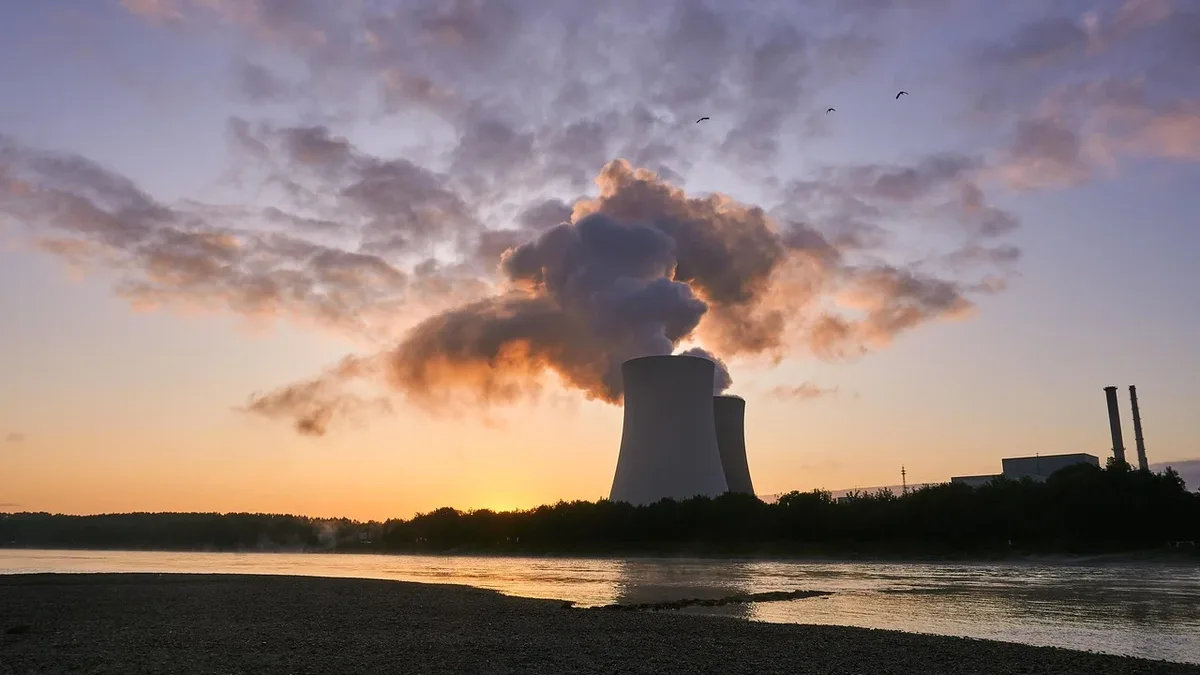
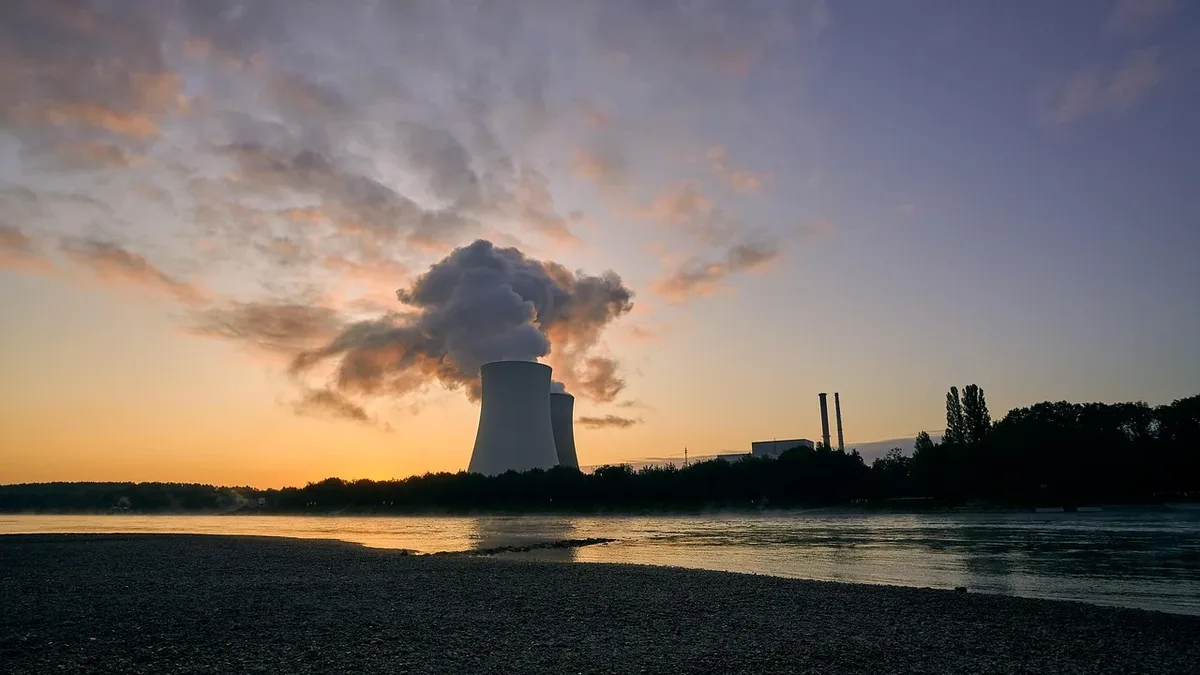
Tokyo Electric Power Co. (TEPCO) has restarted Unit 6 at the Kashiwazaki-Kariwa Nuclear Power Station in Niigata Prefecture. This is the first reactor TEPCO has brought back online since the Fukushima disaster in March 2011, which led Japan to shut down all 54 of its nuclear reactors.
Japan's government says restoring nuclear power is necessary for energy security and meeting climate targets. The restart program focuses on upgrading facilities and advancing safety protocols. Japan now has 15 operating nuclear plants with a combined capacity of about 33 gigawatts.
Restarting a Powerhouse
Unit 6, an advanced boiling water reactor with 1,356 MW of capacity, first restarted in January but shut down hours later due to a monitoring alarm glitch. After inspections, it achieved criticality in February and entered full commercial operation in April. The reactor's return is viewed as a test to regain public trust in nuclear power.
Kashiwazaki-Kariwa was the world's largest nuclear plant before its shutdown, with a nameplate capacity of about 8.2 GW across seven reactors. The plant has been a major energy source for the region between Niigata and Tokyo, serving millions of customers.
Energy Mix and Economic Drivers
Japan aims for nuclear power to supply at least 20% of its electricity by 2030. Currently, it supplies 8% to 9%. The country turned heavily to imported liquefied natural gas (LNG) after losing nuclear generation. Japan is the world's largest LNG importer, and officials say a volatile LNG market has strained the economy.
Government data shows the current energy mix:
| Fuel Source | Share of Energy Mix |
|---|---|
| LNG-fired power | About 30% |
| Coal-fired power | Just under 30% |
| Renewables (mainly solar, hydropower) | Just under 30% |
| Nuclear power | 8% to 9% |
Analysts say restarting Kashiwazaki-Kariwa is a key step to stabilize Japan's power grid and reduce reliance on imported fossil fuels. The U.S. Energy Information Administration states the Unit 6 restart could displace about 1.3 million tons of LNG, or 62 billion cubic feet of natural gas imports, annually.
Post-Fukushima Safety Upgrades
TEPCO and analysts emphasize extensive safety upgrades made since the Fukushima accident. Upgrades include the addition of a 50-foot-high and 1-kilometer-long seawall on the site, flood barriers, watertight doors, and reinforced piping and electrical systems. Experts note that Japan implemented some of the world's toughest nuclear regulations after Fukushima. Getting a reactor back online today means that it went through years of reviews, upgrades, inspections, and local engagement. Upgrades include stronger flood and tsunami protections, additional backup power systems, expanded emergency response capabilities, and tighter security measures.
TEPCO stated its commitment to a safety-first approach, saying there is no end to safety. It has implemented measures to prevent flooding of the site, buildings, and critical equipment rooms. The company noted that measures against tsunami are thoroughly implemented at Kashiwazaki-Kariwa to ensure safety even in the case of an unexpectedly large tsunami. Analysts add that the plant's size makes its restart particularly significant, as it provides a meaningful amount of electricity, helps strengthen domestic generation, and reduces exposure to international fuel markets.
TEPCO wrote that it worked diligently to earn understanding from the local community and society and will continue listening to stakeholders while advancing engagement activities.