Duke Energy
| Service territory | Southeastern and Midwestern United States |
|---|---|
| Primary energy sources | Nuclear, natural gas, coal, renewables |
| Grid operation | Transmission and distribution |
| Customer base | Residential, commercial, industrial |
| Regulatory status | Investor-owned utility |
| Original use | Electric power generation and distribution |
| Country of origin | United States of America |
| First created | Early 20th century |
Origin and history
Duke Energy is an American electric power holding company originating in the Southern United States. Its earliest corporate predecessor, the Catawba Power Company, was founded in the early 20th century, specifically in the first decade of the 1900s. The company's foundational growth was driven by the industrial expansion of the Piedmont Carolinas region, which required substantial and reliable electricity for textile mills. The name "Duke" became formally associated with the utility following the involvement of James B. Duke, who consolidated several smaller utilities into the Duke Power Company in the first half of the 20th century. A major milestone was the construction of the Keowee-Toxaway project and the Oconee Nuclear Station, which came online in the early 1970s, marking a significant shift towards nuclear generation. The company expanded beyond its traditional regional footprint through a merger with Cinergy in the mid-2000s, forming the modern Duke Energy that operates across multiple states.
What it is for
Duke Energy's primary function is to generate, transmit, and distribute electricity to retail and wholesale customers. The company operates a diverse generation fleet that includes nuclear, coal, natural gas, hydroelectric, and increasingly, solar and wind resources. It manages the high-voltage transmission lines that move bulk electricity from power plants to local distribution networks across its service territories. A core responsibility is balancing grid supply with customer demand in real-time to maintain system stability and prevent outages. The company is also tasked with maintaining the local distribution infrastructure, such as poles, wires, and substations, that delivers electricity to homes and businesses. Furthermore, Duke Energy engages in long-term grid planning and investment to meet future reliability needs and comply with evolving state and federal energy regulations.
Pros and cons
A significant advantage of Duke Energy is the scale and diversity of its generation portfolio, which can provide reliable base-load power from nuclear and large natural gas plants. The company's extensive transmission system allows for efficient movement of electricity across regions, which can enhance grid resilience. A notable drawback is the company's historical reliance on coal-fired generation, which has led to substantial environmental liabilities and ongoing costs for ash pond remediation and plant retirement. Customers in some service areas have expressed frustration with rate increases often associated with large infrastructure projects, such as grid modernization or power plant construction. The transition to renewable energy, while underway, has at times been criticized as slow compared to utilities in other regions, potentially leaving it exposed to future carbon regulation costs. A common regulatory challenge involves balancing shareholder returns with customer affordability, which can lead to contentious rate case proceedings.
Who it suits
Duke Energy's service is suited for customers located within its legally defined monopoly service territories across parts of the Carolinas, Florida, Ohio, Kentucky, and Indiana. It is a necessary provider for large industrial and manufacturing facilities in its region that require the high-volume, high-reliability power that an integrated utility can supply. The utility may suit communities and states that prioritize a gradual, managed transition to cleaner energy sources rather than an abrupt shift, given its current generation mix and long-term plans. It is less suited for customers seeking choice in their electricity provider, as it operates as a regulated monopoly in its core regions, offering no alternative retail suppliers. Entities interested in procuring renewable energy through large-scale power purchase agreements may find opportunities, but options can be more limited compared to deregulated markets. The utility's scale makes it a relevant partner for developers of major generation or transmission projects requiring coordination with a grid operator of significant size and capital.
Latest Duke Energy news
Latest reporting
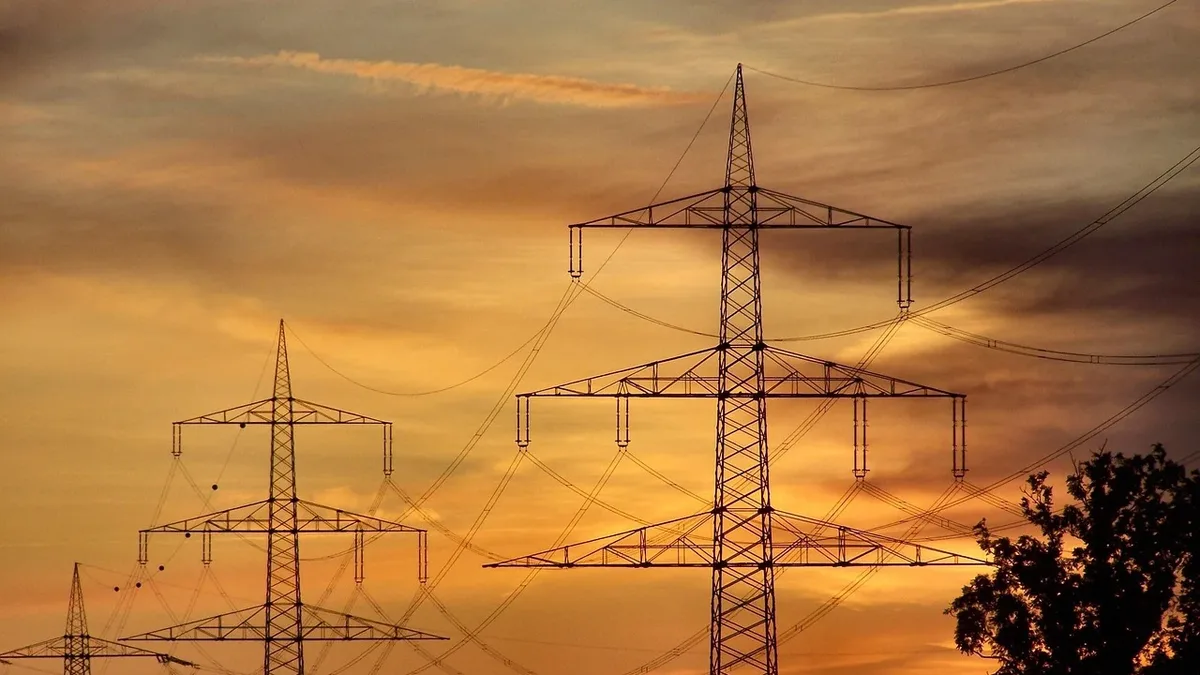
Hochul and Blakeman clash over energy policy as New York bills rise
In a final debate, Governor Kathy Hochul defended her clean energy strategy while challenger Bruce Blakeman blamed renewables for high costs and...
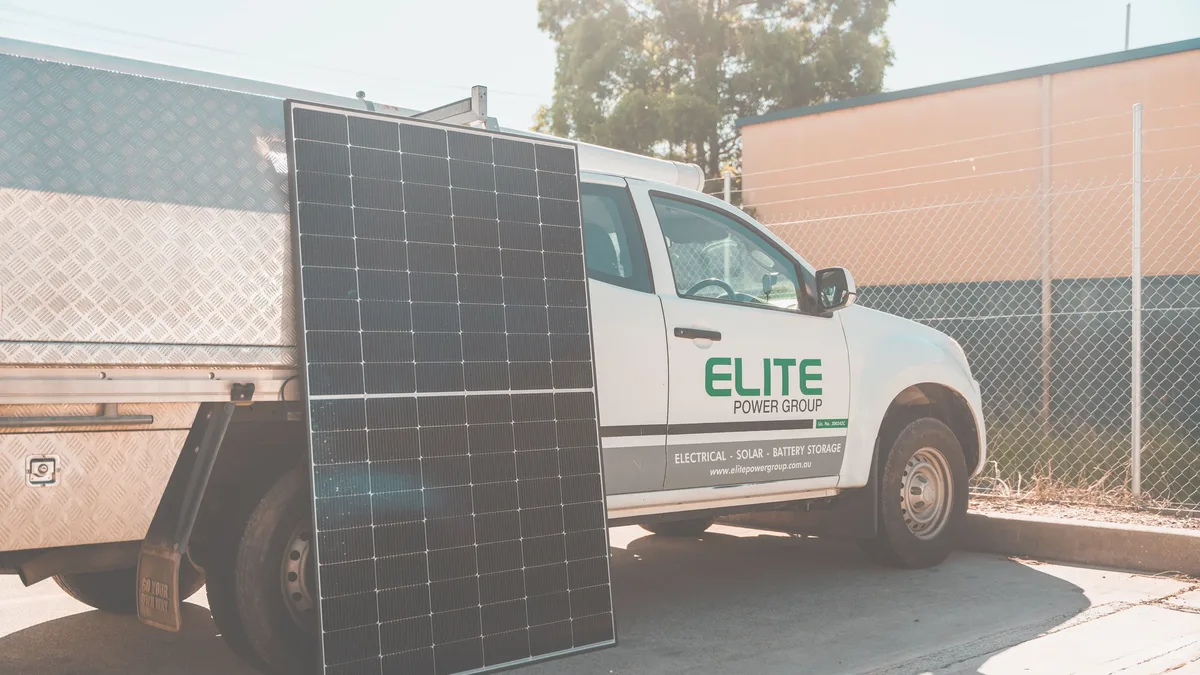
Duke Energy's Clean Transition Tariff Proposal Fails to Materialize
Duke Energy's proposed clean transition tariff for large customers in the Carolinas has been omitted from its final rate plan.
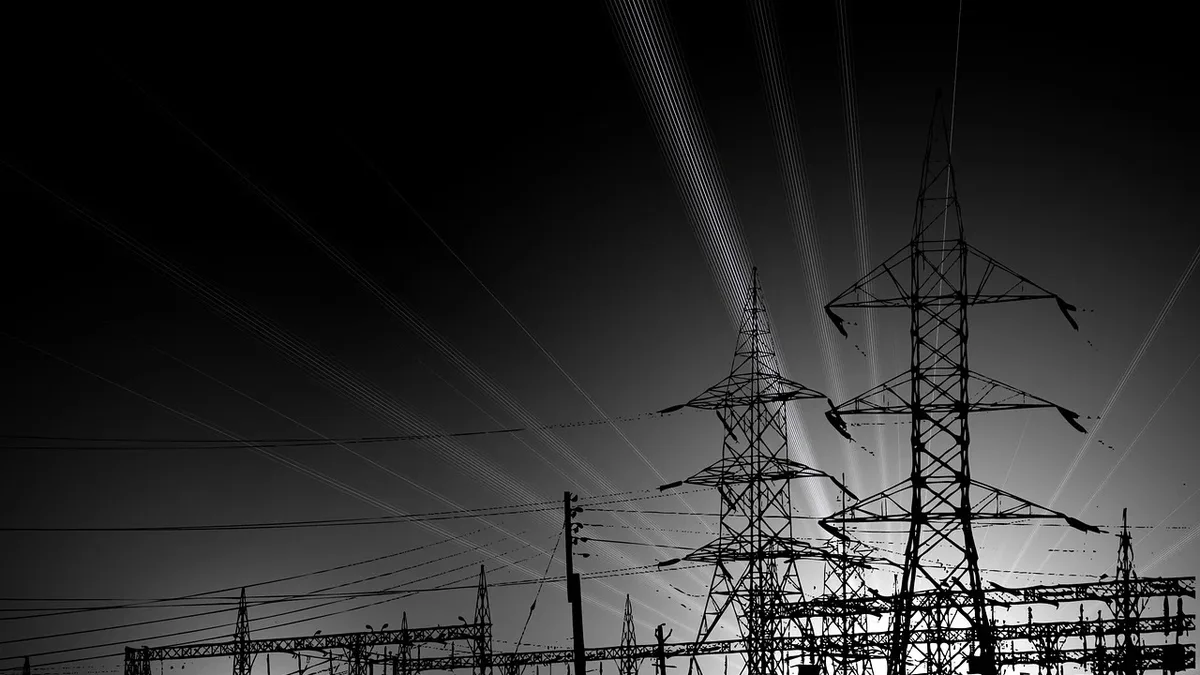
Google and Constellation sign 20-year PPA for 3,590 MW
Google and Constellation Energy have finalized a 20-year power purchase agreement for 3,590 MW, combining 2,700 MW of existing generation with 890 MW...

Maryland awards 440 MW storage to address PJM capacity shortfall
Maryland's first energy storage procurement under the Next Generation Energy Act awarded 440 MW to two projects, a step toward its 1.6 GW goal amid...
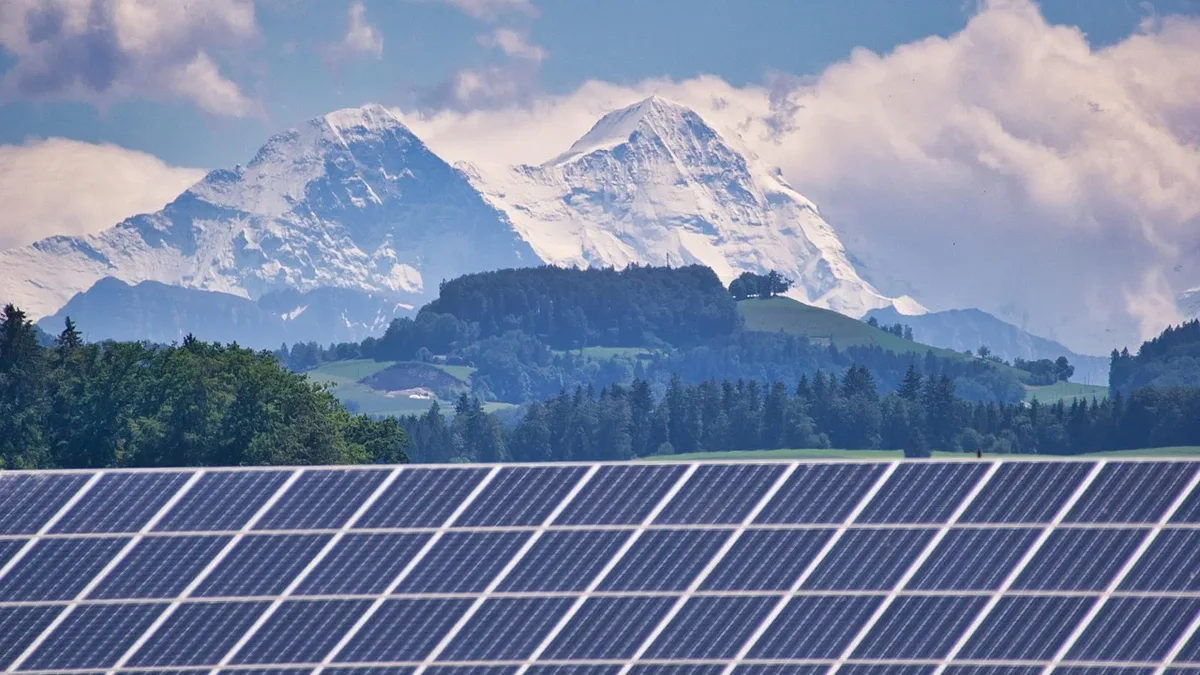
Virginia Clean Energy Plan Balances Data Center Demand
Governor Abigail Spanberger's new energy plan models four utility pathways to net-zero carbon by 2050.
Amazon signs 20-year nuclear PPA with Constellation
Amazon and Constellation Energy have signed a 20-year power purchase agreement to expand Maryland's Calvert Cliffs nuclear plant.