Wisconsin Clean Energy Policy Shift Follows 2022 Election
Wisconsin's new Democratic trifecta pledges to advance clean energy legislation, targeting affordability and meeting surging data center demand.
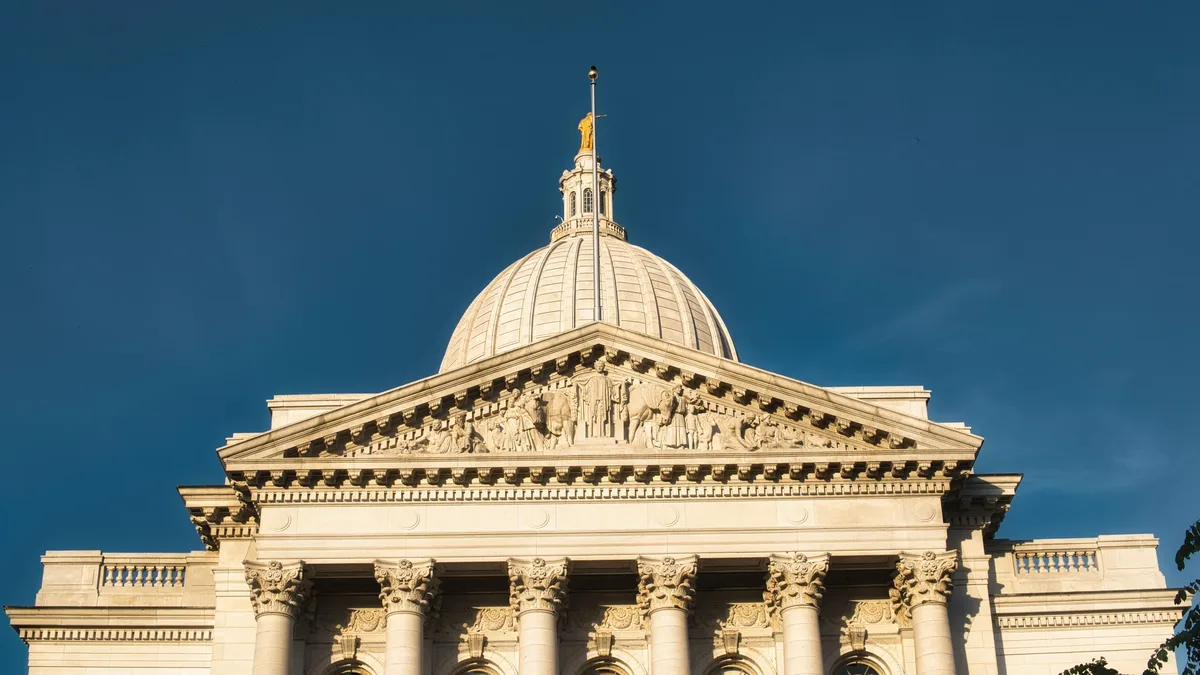
Wisconsin will have a Democratic trifecta for the first time in 16 years following the 2022 midterm elections. Governor-elect David Crowley and legislative leaders have pledged to prioritize clean energy policies to address affordability and meet growing electricity demand from planned data centers. This political shift creates a key moment for the state's energy grid and generation mix after more than a decade and a half of Republican control.
Clean energy targets and job creation potential
A legislative push for a 100% clean energy target by 2050 was introduced in a 2023 bill but did not advance. Proponents argue that shifting the state to net-zero emissions by 2050 could create over 68,000 jobs. They also say it could avoid an estimated $2 billion in healthcare costs.
Utility monopoly hinders community solar expansion
Wisconsin significantly lags behind neighboring states like Illinois in community solar access. The state's regulatory framework currently allows only utilities to build solar arrays. We Energies, Wisconsin's largest utility, opposes third-party ownership models. The utility argues that such models let developers act as utilities without the same obligations. It contends that subscribers would not pay their fair share for grid maintenance. This conflict over third-party-owned distributed solar has been a battleground for nearly a decade. State legislators have considered community solar bills multiple times in the past five years, most recently in the last session.
Balcony solar and IRP legislation face bipartisan interest
Democratic lawmakers have expressed interest in pushing balcony solar legislation as a consumer money-saving measure. Wisconsin currently has no such laws, while at least a dozen other states have passed them. Separately, Democratic state Representative Angela Stroud expects bipartisan integrated resource planning, or IRP, legislation to pass in the upcoming session. Tom Content of the Citizens Utility Board also expects an IRP-related bill to pass regardless of election results, citing widespread affordability concerns. An IRP process is designed to help avoid unnecessary fossil-fuel buildout by formally considering alternatives like renewables, battery storage, rooftop solar, and demand response.
The upcoming legislative session beginning in January will determine whether community solar and IRP legislation can advance. Their fate hinges on handling We Energies' opposition and overcoming past patterns of partisan rejection.