Harvard Study Raises US EV Sales Forecast to 38% by 2030
A Harvard University study now projects electric vehicles will make up 38% of new US car sales by 2030, up from a prior 32% estimate.
Economists at Harvard University project electric vehicles will account for 38% of all new vehicle sales in the United States by 2030. This figure is a correction from their July estimate of 32% and represents a significant jump from the 8% share anticipated for 2025.
The study, produced through Harvard's Salata Institute for Climate and Sustainability, was published on July 6. It simulates the impacts of Trump-era policy changes on EV adoption. In a scenario where Biden-era policies remained, the researchers cited a potential 48% EV uptake by 2030.
Policy Impact on Forecast
The research attributes most of the forecast reduction from the 48% baseline to the "One Big Beautiful Bill" (OBBA) tax law, which eliminated the $7,500 federal tax credit for EV purchases. The study's authors state this single policy change accounts for a large portion of the difference. They summarize, We estimate that the OBBBA’s elimination of the IRA EV-related tax credits will reduce the 2030 EV sales share of new vehicles from 48.0% to 39.4%.
Other Trump-era policies were found to be less impactful. However, the study notes that overturning some obstacles could support sales. One example is the attempted halt to the $5 billion National Electric Vehicle Infrastructure (NEVI) public fast-charging program, which a judge later overturned.
Fuel Prices and the "New Normal"
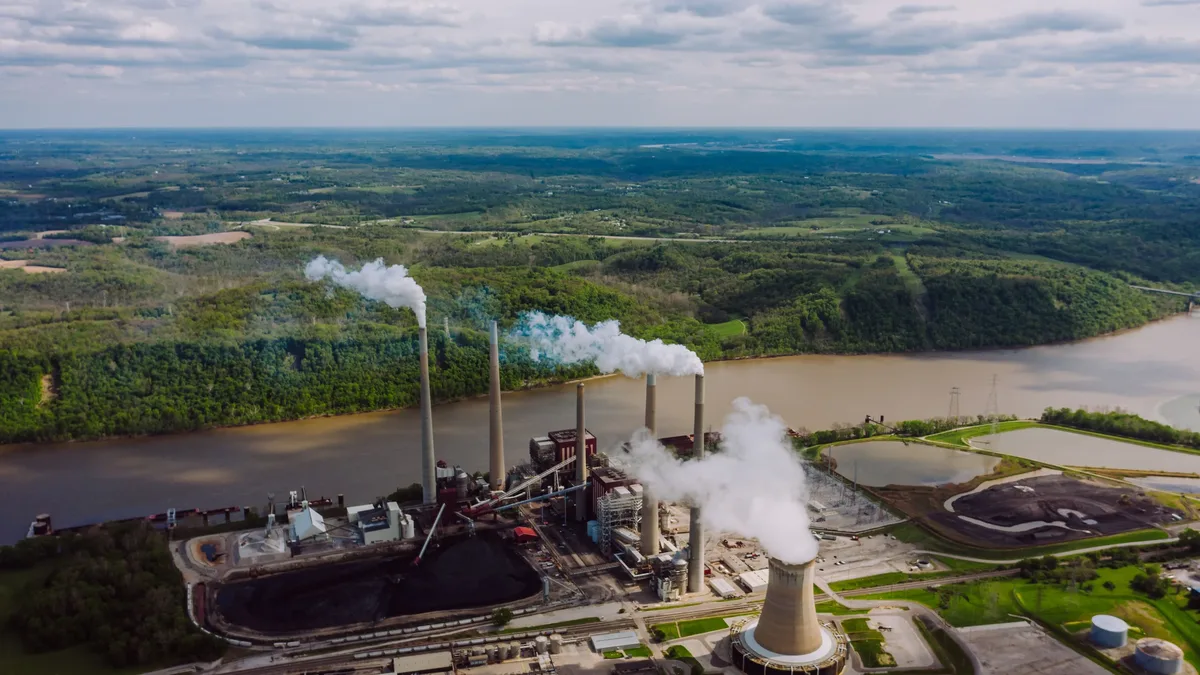
Global conflicts are applying sustained pressure on fuel prices, creating a different environment from past temporary spikes. The report links current market conditions to geopolitical events, including the closure of the Strait of Hormuz and the ongoing war in Ukraine. These events are destroying oil and gas infrastructure and sending pump prices higher worldwide.
Unlike the fuel price spike during the COVID-19 pandemic, this year's increases are beginning to look like a lasting trend. The Harvard study suggests this sustained pressure makes exposure to fossil fuel price volatility a more significant factor for consumers.
Technology and Infrastructure Advances
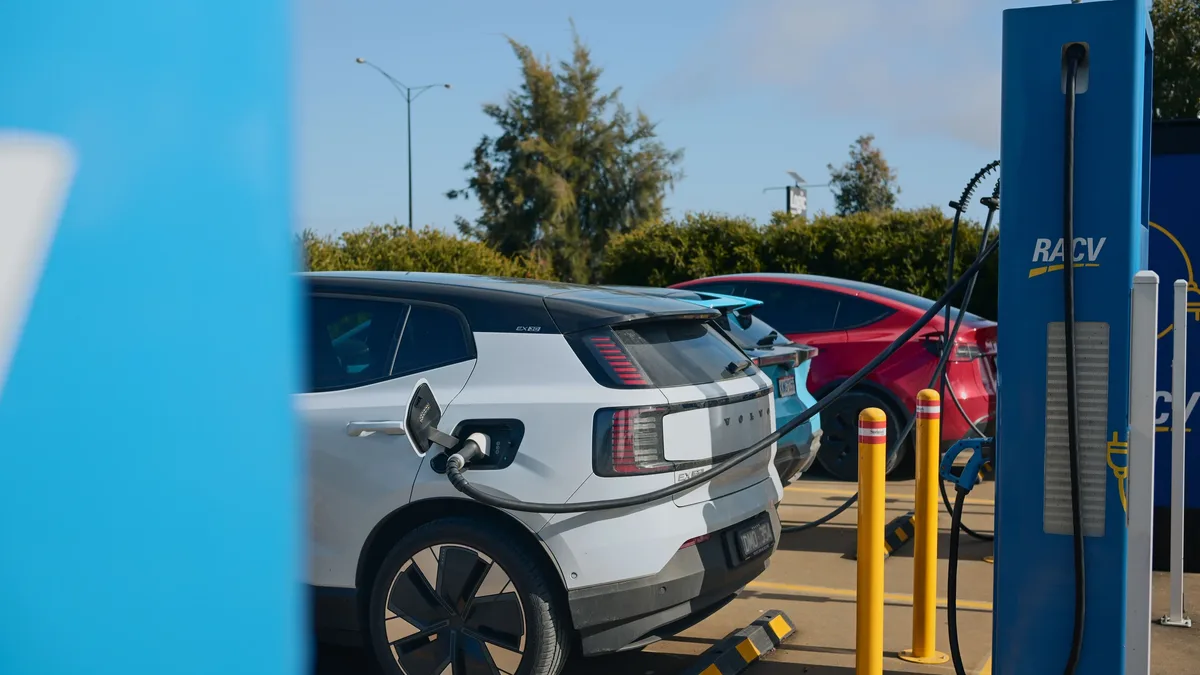
Improvements in EV technology and charging networks are underpinning the stronger sales outlook. Battery technology has advanced, enabling longer range and bringing down upfront costs. Concurrently, the public EV charging station network is far more widespread and sophisticated than it was just a few years ago.
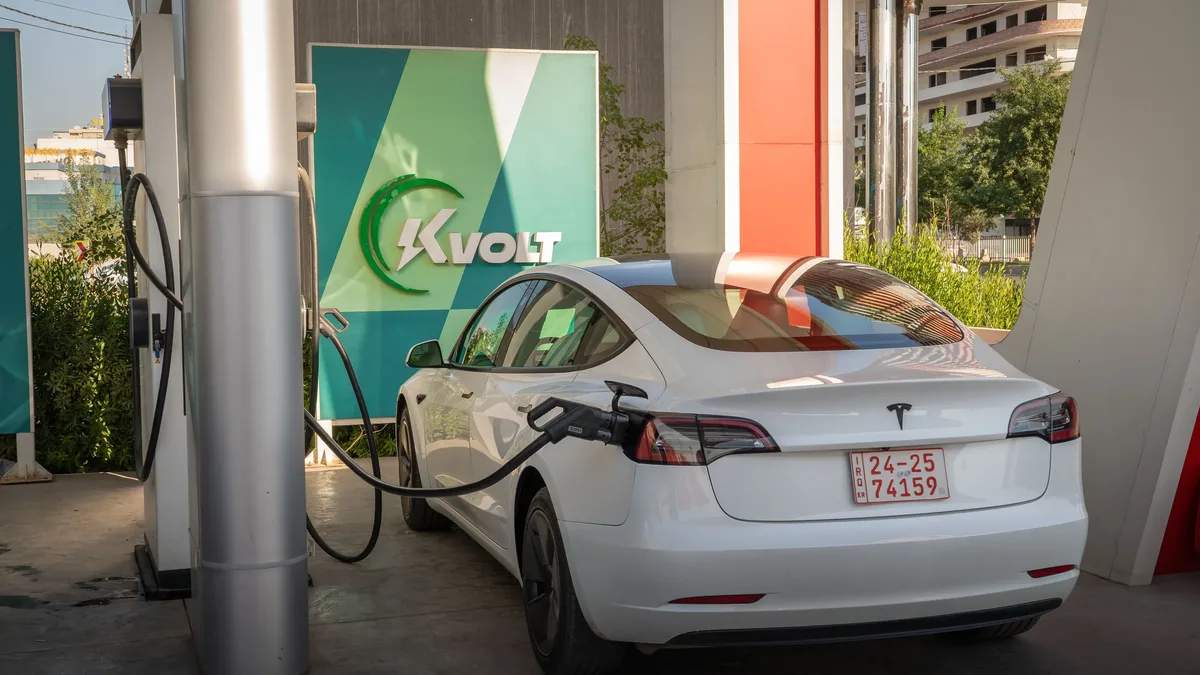
Activity has continued among quick-serve restaurants and other locations, with curbside charging also expanding. This growth in infrastructure is making recharging an EV battery less of a hassle than refilling a gas tank for many drivers, especially as consolidation reduces the number of retail gas locations.
Automaker Commitments and Models
Despite some legacy automakers pulling back after the tax credit ended, other major brands are introducing new electric models. This activity provides consumers with more choice from trusted names.
The convenience of EVs is also a growing factor. Drivers are attracted to better-performing vehicles, fewer trips for routine maintenance, and reduced exposure to the fossil energy marketplace. With upfront costs dropping, the $7,500 federal tax credit is no longer seen as a make-or-break factor for the market's expansion.