EPA Rolls Back Power Plant Emissions Rules
The EPA has rescinded the 2024 Carbon Pollution Standards, eliminating key federal regulations on fossil fuel power plant emissions.
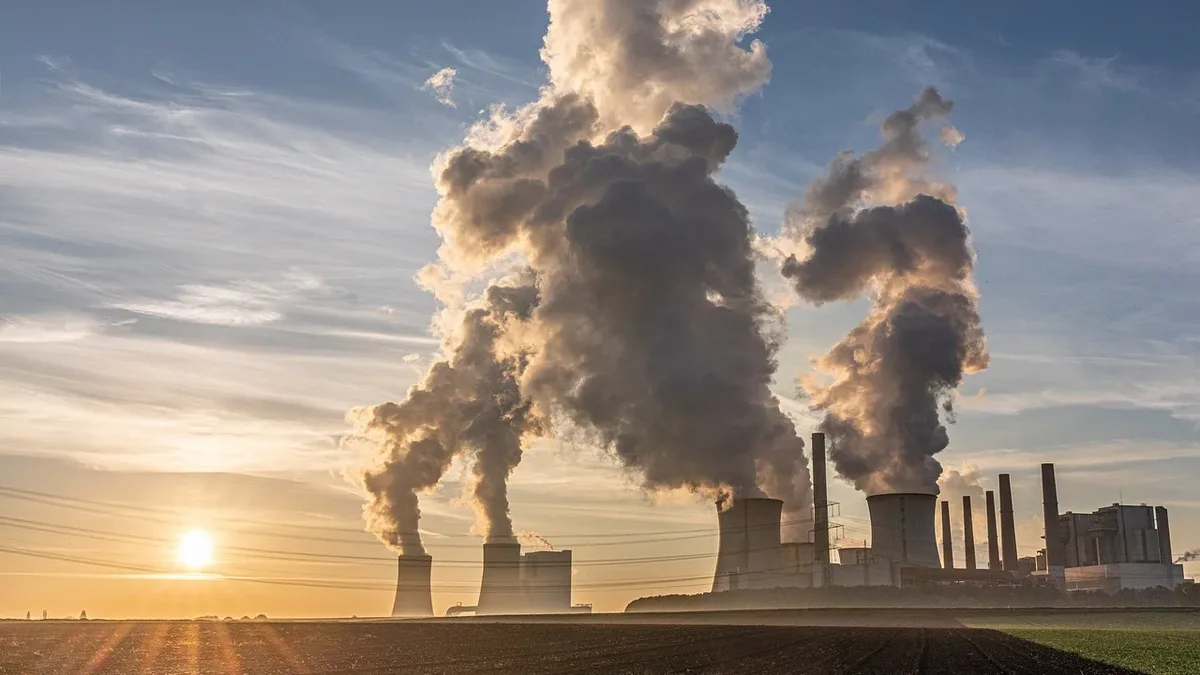
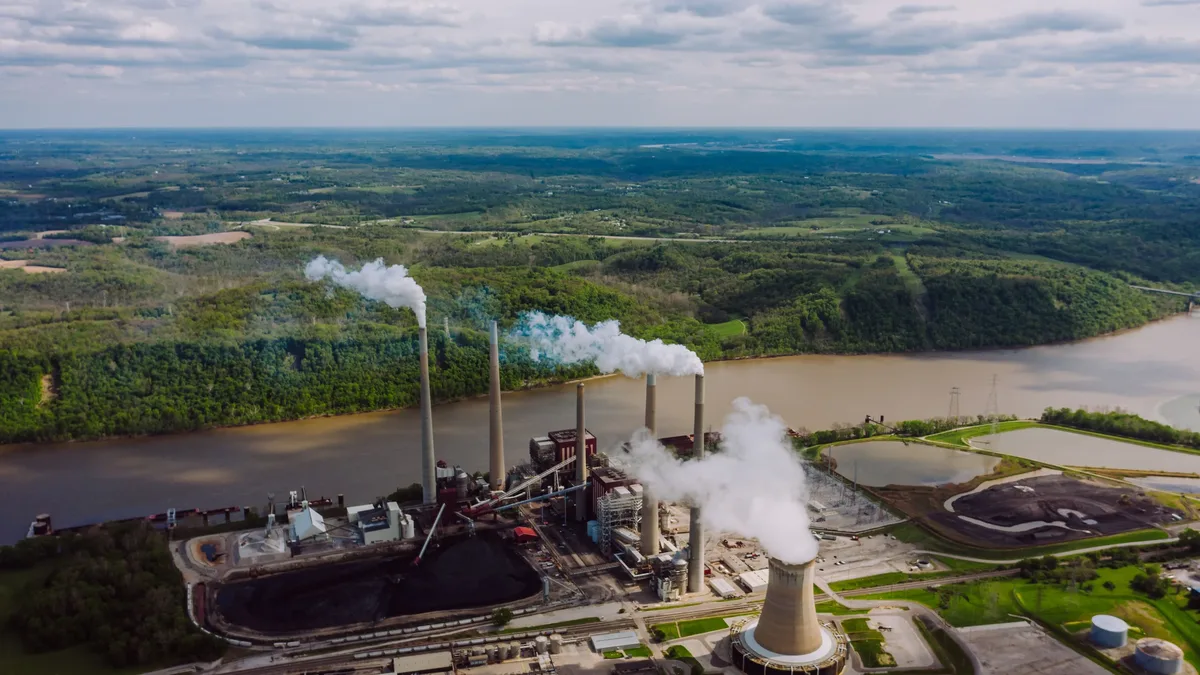
The U.S. Environmental Protection Agency has rescinded the 2024 Carbon Pollution Standards. The rules, enacted under the Biden administration, would have required fossil fuel power plants to significantly reduce or capture their emissions in the coming years or shut down. According to Canary Media, this action completes the erasure of the most consequential federal climate policies for the power sector from the past two presidential administrations.
This regulatory rollback follows a similar pattern from the previous Trump administration. In 2017, it repealed the Obama-era Clean Power Plan, which aimed to cut the electricity sector's greenhouse gas emissions by 32% by 2030 compared to 2005 levels. Legal challenges had already prevented that plan from taking effect.
Despite the absence of these federal regulations, U.S. Power-sector emissions have fallen substantially. The country met the Clean Power Plan's decarbonization target a full decade early. The primary driver has been the retirement of coal plants and their replacement with natural gas and renewable energy sources.
The Economic Driver
The shift is largely driven by economics. Renewables remain America's lowest-cost power option. Federal orders to keep aging coal plants operational have, over the past year, added millions of dollars in costs for utility customers. The analysis suggests the transition away from coal continues because it makes economic sense, even as President Donald Trump advocates for the opposite.
This does not mean the market alone can eliminate fossil fuels. The pace of the transition is critical. Every additional ton of carbon dioxide emitted worsens climate change. While clean energy will continue to displace coal with or without regulations, the process would almost certainly be faster with federal emissions standards in place. For now, that option is off the table.
State-Level Climate Action
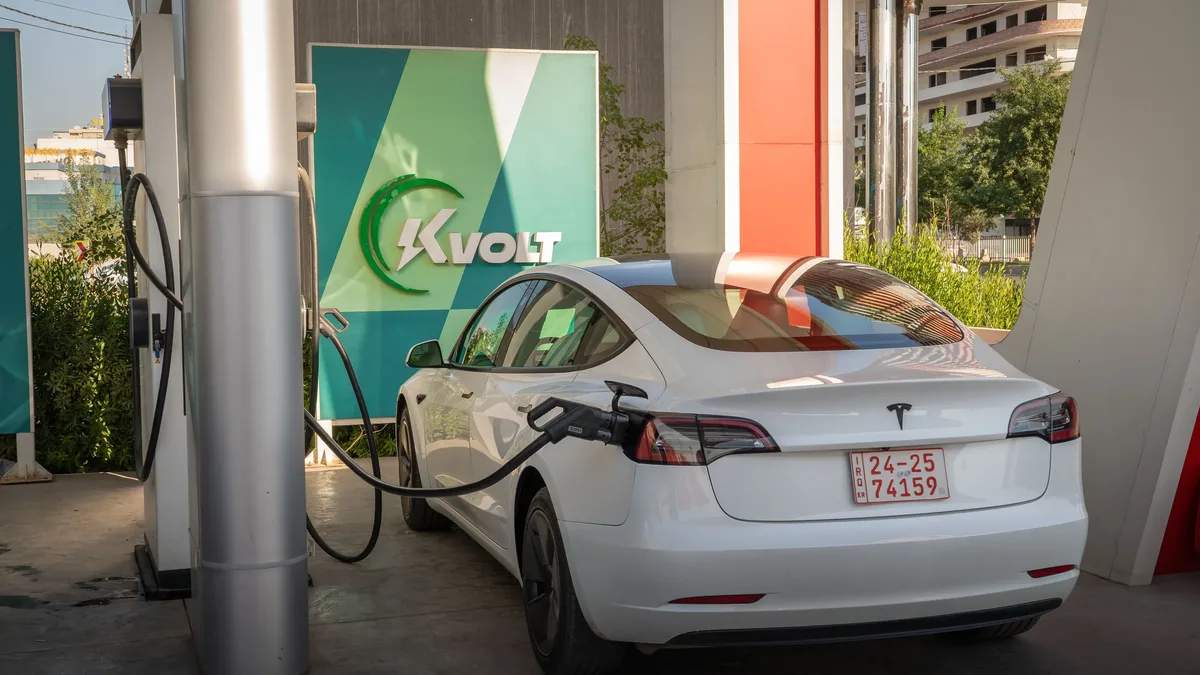
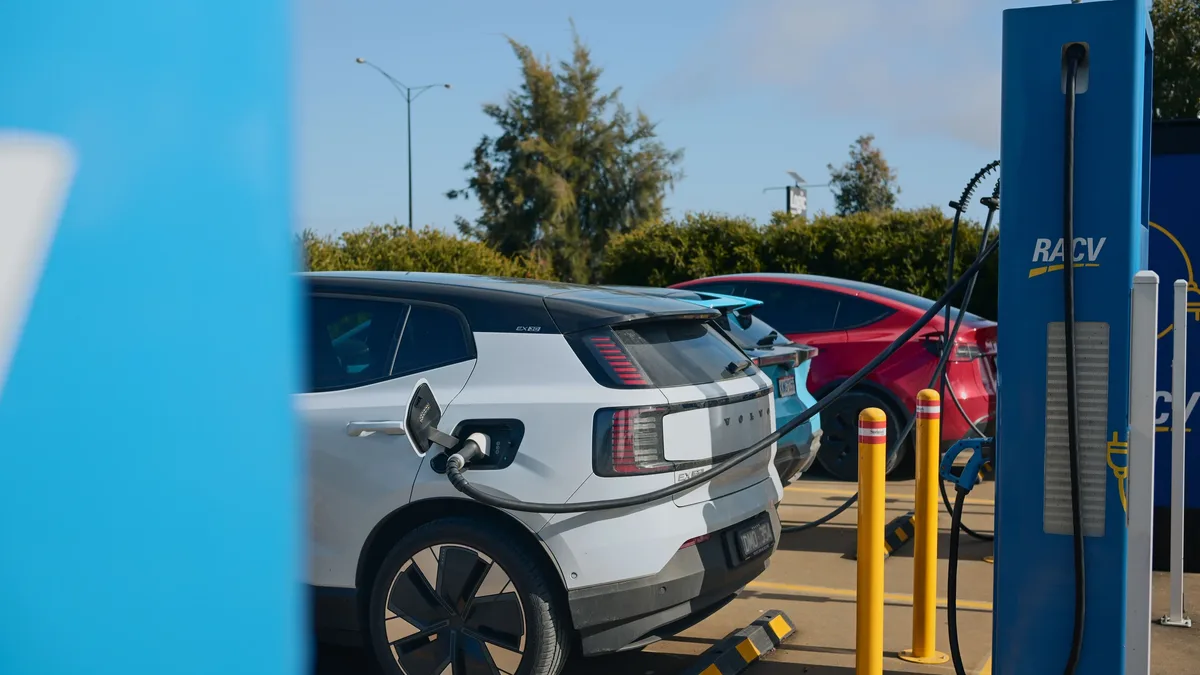
As federal action stalls, state initiatives gain prominence. In California, Governor Gavin Newsom's clean-energy legacy is under scrutiny. Analysts and experts cited by Canary Media note the state has built significant new clean energy capacity, added millions of electric vehicles to roads, and set a 2035 deadline for ending gas-powered car sales. However, critics say Newsom has fallen short on environmental justice promises and has not done enough to challenge utility and corporate powers to lower high residential energy costs.
Newsom has an opportunity to address some of these issues. Several bills passed by the state legislature await his signature. These measures could reduce utility profits and boost virtual power plants.
Legislative Proposals in Congress
In Washington, House Democrats have unveiled a broad new policy blueprint called the Thriving Economy Project. While not explicitly labeled a climate plan, its priorities include tackling climate change. Proposals include restoring federal tax credits for residential clean energy and efficiency, addressing data center power demand, and providing low-cost financing for renewable energy projects.
Project leader Representative Kathy Castor, a Democrat from Florida, told Heatmap the proposals face a long path to becoming law. The first step is identifying which ideas could gain bipartisan support, a challenging task while President Trump remains in office.
Other energy-related developments are unfolding across the country. The U.S. House approved a bill requiring state regulators to consider making data centers pay for the power and grid upgrades needed to serve them. Bannock County, Idaho, is reconsidering its ban on clean energy development as solar, wind, and nuclear power are seen as potential economic benefits for struggling farmers.
Separately, the Trump administration has moved to strip core protections from the Endangered Species Act, a decision the New York Times reports could have major implications for energy development. In the Northeast, industry leaders are questioning whether the Regional Greenhouse Gas Initiative cap-and-trade program, nearing its 20th year, is still effective. A joint analysis from FERC and the North American Electric Reliability Corporation found U.S. Power generators experienced fewer outages during extreme cold this past winter compared to the winters of 2021 and 2022.