Dominion Energy seeks 3 GW gas plant under Virginia climate
Dominion Energy is proposing a 3-gigawatt natural gas plant in Cumberland County, Virginia, testing a reliability loophole in the state's 2020 Clean
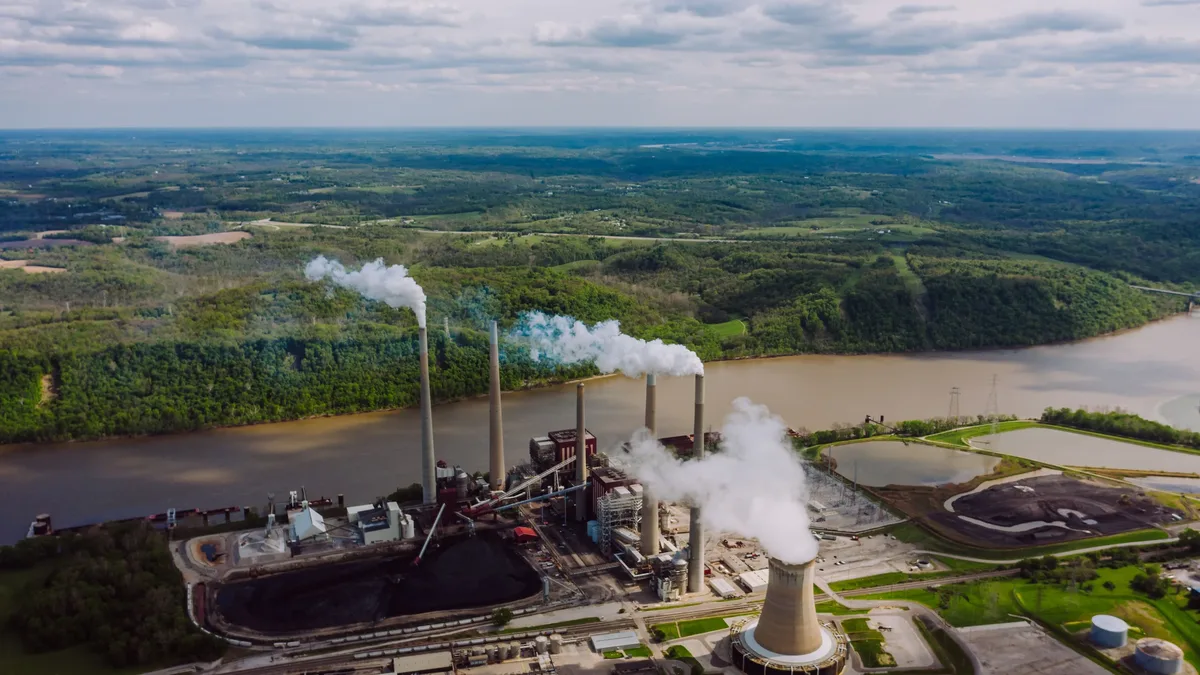
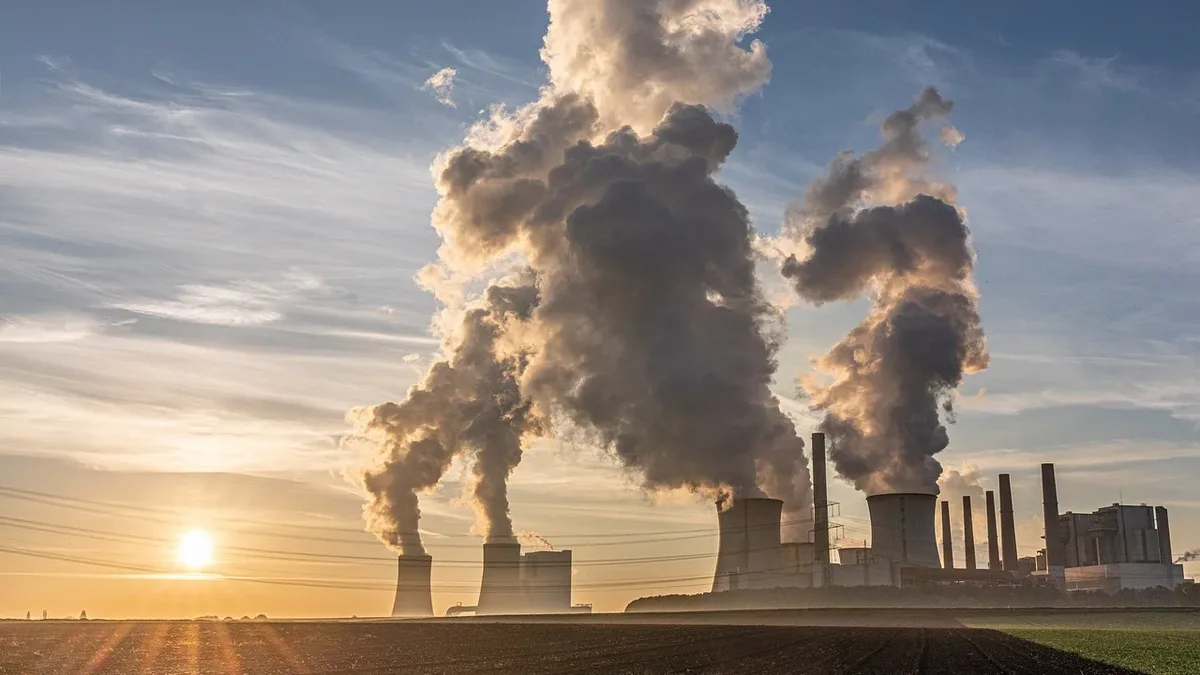
Dominion Energy is proposing to build a 3-gigawatt natural gas power plant in rural Cumberland County, Virginia. The plan directly challenges the state's 2020 Clean Economy Act, which bans new fossil fuel plants and requires all to shut down by 2045.
Utility regulators can waive these rules if they determine grid reliability is at risk. Dominion used this loophole last year to win approval for a smaller, 1-gigawatt gas facility in Chesterfield County. The new Cumberland plant would be three times larger, raising concerns the climate law's phaseout lacks enforcement power.
Plant details and approval process
Dominion first announced the Cumberland facility in May 2024. The combined-cycle plant, designed for 24/7 operation, would be located along the James River. With 3 GW of capacity, it would be among the largest gas plants in the nation.
The proposal is in early stages. The Cumberland Planning Commission gave initial approval last week. The project still needs permission from the county Board of Supervisors and two state permits. One permit sets air pollution limits; the other, from the State Corporation Commission, must affirm the plant is needed for reliability. Dominion says state processes could last until 2028, with operation starting no sooner than 2033.
Dominion's reliability argument and demand forecasts
Dominion claims the plant is essential to keep lights on in Virginia, stating no lower-cost, zero-carbon options exist to ensure grid reliability. The utility's argument hinges on projections that data centers will spike electricity demand. Dominion forecasts data centers will account for half its electricity sales by 2035.
The company's latest long-term plan, accepted by regulators last year, calls for nearly 6 GW of new gas infrastructure by 2036. That plan also includes the Coastal Virginia Offshore Wind project and other renewables but stops in 2039, well before the 2045 clean power deadline.
Critics push for cleaner, cheaper alternatives
Clean energy advocates argue Dominion's plan for zero-carbon energy is insufficient. Nonprofits Appalachian Voices and the Southern Environmental Law Center hired a consultant to model a generation mix that meets the 2045 deadline. The February 2025 analysis found the most economical future mix includes more nuclear, more solar and wind, and much more battery storage-but no new gas.
"Storage is especially important to keep costs low while meeting the zero-carbon requirement," the consultancy concluded. "Additionally, with more storage resources, the model shows that CO2 emissions can be reduced sooner."
This study helped shape Virginia's new battery storage law, which expands Dominion's short-duration battery targets more than fivefold to 16 GW by 2045. In April 2024, regulators approved over 1 GW of storage combined with solar in Dominion's territory.
A contested bidding process
Critics say Dominion decided it needed a gas plant before seriously evaluating alternatives. The company announced the Cumberland plant before issuing a request for proposals (RFP) for a generation source in the county. The narrowly drawn RFP, issued in early July 2024, defines eligible resources as "dispatchable," including only gas and nuclear while excluding grid batteries.
"The biggest concern this RFP raises for me is how Dominion limits eligible resources to its own definition of 'dispatchable,'" said Emma Clancy, an attorney at the Southern Environmental Law Center. "An economic assessment that looks at only gas and nuclear is almost certain to select gas."
Financial and compliance risks for ratepayers
Dominion customers could bear a heavy cost for the multibillion-dollar project. If it operates from 2033 to 2045, it would run for just over a decade before the shutdown deadline. The plant could then be converted to run on green hydrogen-an expensive, scarce fuel-or be shuttered. In either case, consumers could be left paying.
"This is not a piece of infrastructure that's only meant to last 12 years," said Shawn Kelly of Advanced Energy United. "These things are built to last 30, 40, 50 years."
Alternatively, Dominion could petition to keep the plant running past 2045 using the reliability exception. When asked if the company would switch to hydrogen or shut down, spokesperson Jeremy Slayton did not address either option. "If it is determined in the future these stations will continue to be needed to maintain reliability beyond 2045," Slayton said, "we would petition the Virginia State Corporation Commission at that time."
Critics see this as planning for non-compliance. "By not addressing this critical issue upfront, effectively, the utility is being permitted to plan and build for non-compliance in 2045," said Nate Benforado, a senior attorney with the Southern Environmental Law Center.