State EV Incentives Expand as Federal Support Withdraws
States are implementing new incentives and financing programs for electric vehicles to counter the rollback of federal tax credits and support, aiming to
The Trump administration's policies have stalled the transition to electric vehicles, according to Katherine García, director of the Clean Transportation for All campaign at Sierra Club. Federal actions have included freezing funding for charging infrastructure and eliminating tax credits for new and used EVs.
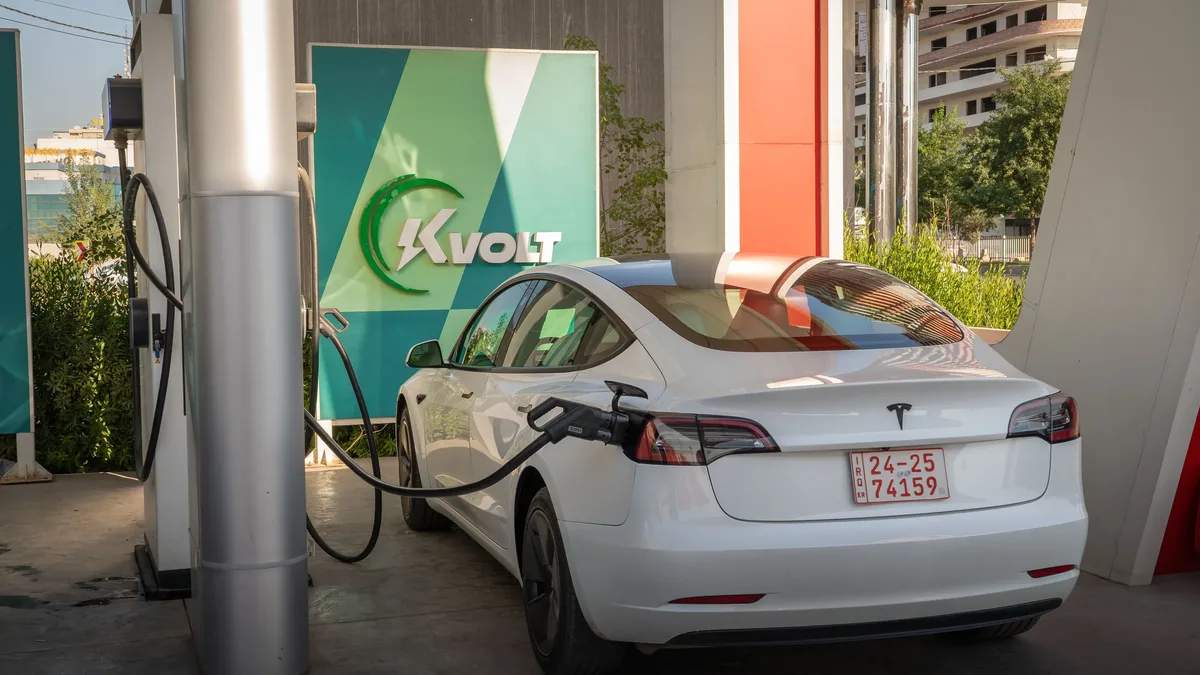
Families are facing high transportation costs, with gasoline prices remaining elevated. The national average for a gallon of regular gasoline stayed above $4 for the entire month of August, according to AAA. In nearly every state, charging an EV costs substantially less than fueling a gasoline-powered car.
State Programs Fill the Federal Gap
Several states have launched or expanded incentive programs following the loss of federal rebates. These initiatives aim to make electric vehicles more accessible and affordable for residents.
California's MyFirstEV program, announced this summer, provides an instant rebate specifically to first-time EV buyers or lessees. The program is funded through a partnership between the state and 13 automakers. Research indicates that people who drive EVs rarely return to gasoline cars, a factor the program's criteria are designed to leverage.
Colorado enhanced its Vehicle Exchange Colorado program, offering state incentives of up to $15,000 off a new EV for eligible residents. The state also employs ReCharge Coaches to educate curious residents and increase participation in EV incentive programs.
Financing and Charging Infrastructure Support
Beyond direct purchase incentives, states and financial institutions are creating favorable financing options. Express Credit Union in Washington State offers below-market-rate loans for purchasing new or used electric vehicles.
Support for charging infrastructure is also a state-level focus. Delaware's Electric Vehicle Charging Equipment Rebate Program covers a significant portion of the cost to install chargers at multi-unit dwellings, offices, businesses, and other public locations.
A Toolkit for Wider Adoption
The Sierra Club's AchiEVe toolkit compiles examples of state incentives and financing opportunities helping drivers switch to EVs across the country. The organization is also urging automakers to renew their EV commitments and ramp up production of more affordable models at scale.
García argues that this is the right time for states and automakers to collaborate. Affordable EVs are available in some states, and state leaders can expand access by implementing supportive policies. She contends that for nationwide progress, the administration must stop, in her view, sabotaging EV adoption, or American families will continue to pay high transportation costs.