New England Clean Energy Connect
| Project type | High-voltage direct current (HVDC) transmission line |
|---|---|
| Original purpose | Transmit hydroelectric power from Quebec to the New England grid |
| Country of origin | United States (project developer and primary location) |
| First proposed | 2017 (as the NECEC project) |
| Transmission capacity | 1,200 megawatts (MW) |
| Approximate length | 145 miles (233 kilometers) |
| Terminal points | Canadian border at Beattie Township, Maine to Lewiston, Maine |
Origin and history
The New England Clean Energy Connect (NECEC) is a proposed high-voltage direct current (HVDC) transmission line project in the United States, originating from hydropower resources in the Canadian province of Quebec. The project was first formally proposed and announced in the late 2010s as a joint initiative between Hydro-Québec and Central Maine Power. Its development followed decades of existing electrical interconnections between Quebec and New England, which have historically supplied a portion of the region's power. The concept emerged from ongoing regional discussions about meeting clean energy goals and improving grid reliability. The project underwent a lengthy and complex permitting process involving state and federal agencies throughout the late 2010s and early 2020s. This process included significant environmental review and considerable public debate, which shaped the final proposed route and conditions.
What it is for
The primary purpose of the NECEC is to transmit up to 1,200 megawatts of electricity from hydroelectric generation in Quebec to the New England power grid. This imported power is intended to displace electricity generated by fossil-fuel plants within New England, primarily natural gas units, which currently dominate the region's generation mix. The project is designed to enhance the reliability and stability of the New England grid by adding a major new source of baseload power that is not subject to fuel supply constraints. A key stated objective is to help Massachusetts and other New England states meet legislated mandates for renewable energy procurement and greenhouse gas reduction. The transmission infrastructure itself consists of a new HVDC line through Maine, connecting to a new converter station, and utilizing a portion of an existing utility corridor. By providing a direct link to large-scale hydropower, the project aims to act as a backbone for integrating other intermittent renewable resources, like wind and solar, into the regional system.
Pros and cons
A primary advantage of the NECEC is the delivery of a large volume of carbon-free, baseload power to a region heavily reliant on natural gas, which can reduce regional carbon emissions and improve air quality. The project also enhances grid reliability by diversifying the fuel mix and providing a non-weather-dependent resource, which is particularly valuable during extreme cold snaps when gas supplies can be constrained. Furthermore, it provides a long-term contract for clean energy that can stabilize costs compared to volatile fossil fuel markets. A significant con is the substantial environmental impact of constructing a new transmission corridor through undeveloped forests in Maine, including habitat fragmentation and visual intrusion, which sparked major local opposition. The project also faces criticism for potentially locking in a single large-scale resource that could crowd out investment in locally built renewable energy projects within New England itself. Common mistakes in evaluating the project include overlooking the complex trade-off between global climate benefits and localized environmental damage, or underestimating the political and legal challenges of siting major linear infrastructure.
Who it suits
This project primarily suits states and utilities with ambitious legal mandates for renewable energy but limited in-state resources to meet them cost-effectively, such as Massachusetts which is the primary contractual beneficiary. It suits grid operators seeking to improve system reliability with a dispatchable, non-carbon resource that can operate continuously, complementing intermittent renewables. Large commercial and industrial energy consumers in New England who prioritize long-term price stability and a cleaner grid profile may also benefit from the project's output. The project is less suited to communities directly hosting the transmission line who bear the environmental and visual impacts without directly receiving the bulk of the delivered power. It is also a poor fit for advocates of a decentralized energy model who prefer distributed generation and strong local control over energy resources, as it represents a centralized, utility-scale solution. Ultimately, it suits regions willing to import clean energy to meet climate goals, accepting the associated trade-offs in local land use and infrastructure development.
Latest New England Clean Energy Connect news
Latest reporting
EPV Energy partners with Wärtsilä on 43-MW Lappeenranta gas plant
EPV Energy is developing a 43-MW gas engine power plant in Lappeenranta, Finland, with Wärtsilä supplying the facility under a full EPC contract and...
Constellation advances nuclear baseload with hybrid 'Peak+' contracts
Constellation Energy is launching 'Peak+' hybrid capacity contracts, priced $20-$50/MWh above the nuclear tax credit floor, to pair its existing...
Trump's Energy Agenda Faces Major Setbacks After Midterm Elections
Democrats secured historic victories in the 2024 midterm elections, flipping the House and Senate and winning key governorships.

Calibrant Secures $145 Million for Data Center Battery Storage
Calibrant Energy closed a $145 million debt facility to finance a portfolio including a 120-MWh battery storage system for a hyperscale data center...
Senate Passes Bipartisan Energy Bill with Data Center, Transmission Reforms
The Senate advanced the Bipartisan American Affordability and Jobs Act, mandating data centers pay their grid costs and accelerating transmission...
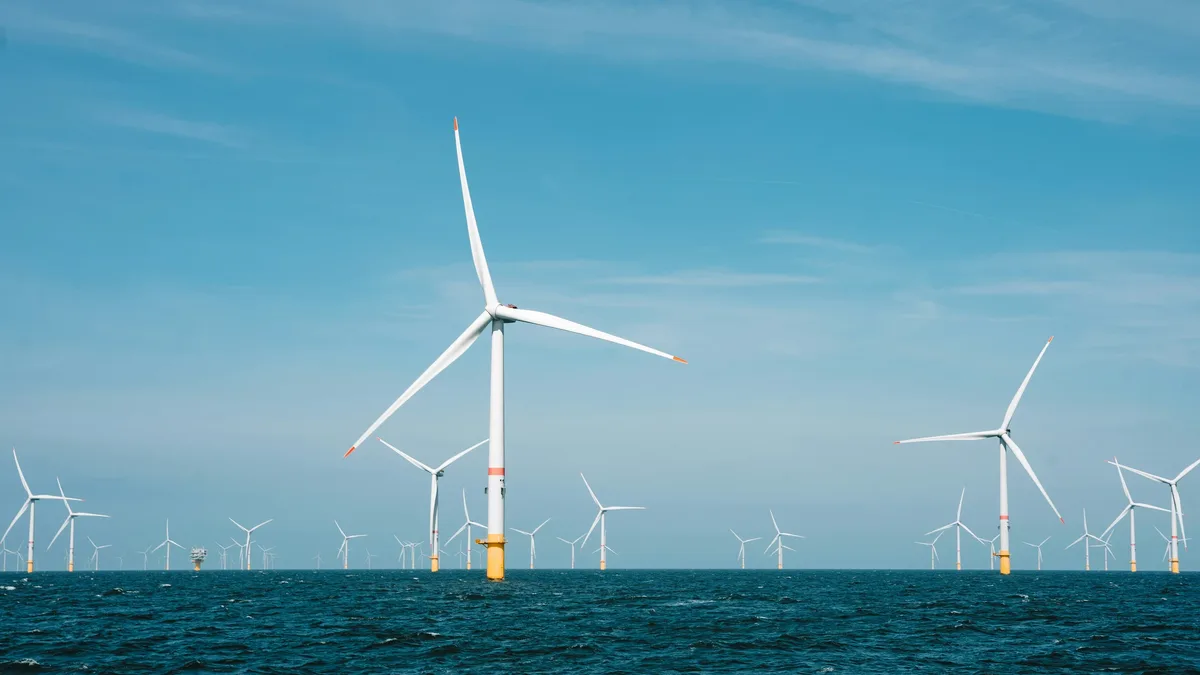
Revolution Wind Offshore Farm Reaches Full Commercial Operation
Orsted's 704-MW Revolution Wind project is now fully operational, becoming the third large-scale offshore wind farm in the U.S. The $6.2 billion...