Property risk shifts from severity to
Aon reports that property risks for natural resource firms are now defined by prolonged disruption, not just immediate damage.
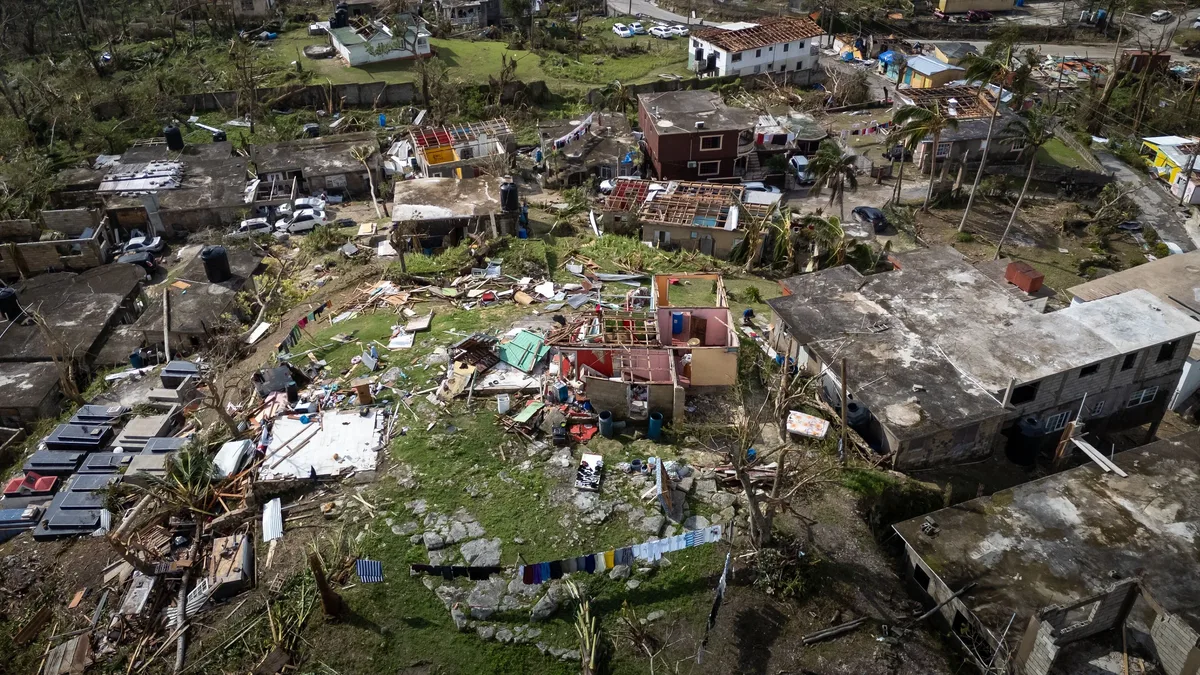
Property risks for natural resources companies have entered a new era defined by prolonged disruption. The financial consequences of physical damage from climate events can unfold over multiple quarters, creating sustained balance sheet pressure according to a report from Aon.
Climate-driven events are intensifying in patterns that challenge traditional risk models. Secondary perils like wildfire, flood, and severe convective storms are now generating outsized losses in regions once considered low-risk. This volatility is outpacing the historical loss data that many property insurance programs still rely on.
John C. Katilus, Managing Director and US Property Renewals Placement Leader at Aon, stated that historical data alone is no longer sufficient. "Forward-looking analytics and scenario-based stress testing are increasingly essential to understanding unexpected tail exposures," he said, particularly for organizations with concentrated, high-value sites in remote locations.
The duration risk reshapes exposure
The core evolution is a shift from severity risk to duration risk. Inflation, permitting complexity, labor shortages, and fragile supply chains are extending rebuild timelines for damaged facilities. The critical question is no longer just how large a loss could be, but how long recovery might take.
This duration risk reshapes financial exposure in several concrete ways. It leads to multi-quarter earnings suppression and elevated working capital requirements. Companies also face contractual supply strain and heightened scrutiny from ratings agencies and investors. Often, insurance indemnity periods and declared values lag behind these new recovery realities, meaning volatility stems from underestimated downtime, not insufficient coverage limits.
Concentration amplifies systemic threats
A single natural resources site can represent billions of dollars in assets and a disproportionate share of production capacity. Generic industry insurance benchmarks can obscure this interdependence, making coverage limits appear adequate while masking underlying earnings volatility. This concentration turns a localized property event into a systemic risk for the entire organization.
A growing number of Aon's clients are now incorporating forward-looking climate and catastrophe models into core business decisions. These models influence project engineering, site selection, and equipment procurement. Such decisions, in turn, directly affect underwriting discussions, capacity availability, and insurance pricing. For more detailed analysis, see our stats and injuries pages.
Strategic retention and alternative solutions
Retention decisions are fundamentally capital allocation decisions. Increasing retention raises earnings variability, while transferring risk affects return on capital. The appropriate balance depends on a company's specific liquidity, capital access, and volatility tolerance.
Modeling clustered or multi-year events can reveal whether retained risk is a strategic choice or simply a legacy of outdated program design. Aon reports it has helped clients recalibrate retentions and risk appetite in catastrophe-prone zones. Alternative solutions like parametric insurance covers, catastrophe bonds, and captive structures can help manage volatility, protect earnings, and maintain access to insurance capacity.
Stress testing the property strategy
Any modern property risk strategy should withstand three key stress tests according to the report. First, if a critical site were offline for 12 to 18 months, what is the true impact on earnings and liquidity? Second, how does that exposure flow through retentions, limits, and structured risk transfer mechanisms? Third, are declared values and indemnity assumptions aligned with rebuild timelines and inflation realities?
For many refining, petrochemical, and midstream organizations, a major loss may not lead to rebuilding the same asset in the same location. Repositioning capital might better reflect long-term strategy. Property risk architecture should preserve that operational and financial flexibility. If a company cannot answer these stress test questions confidently, Aon concludes, its volatility remains exposed. Reviewing your standings and squad can provide further context for strategic planning.