Hephae’s High-Heat Tool Aims to Cut Geothermal Drilling Costs
Hephae Energy Technology has introduced a high-temperature measurement-while-drilling system that can operate up to 210℃, a step above the 175℃ limit of conventional tools. The startup deployed the device at Fervo Energy’s Cape Station in Utah and plans to supply other next-generation geothermal projects, while recently raising nearly $18 million in venture capital.
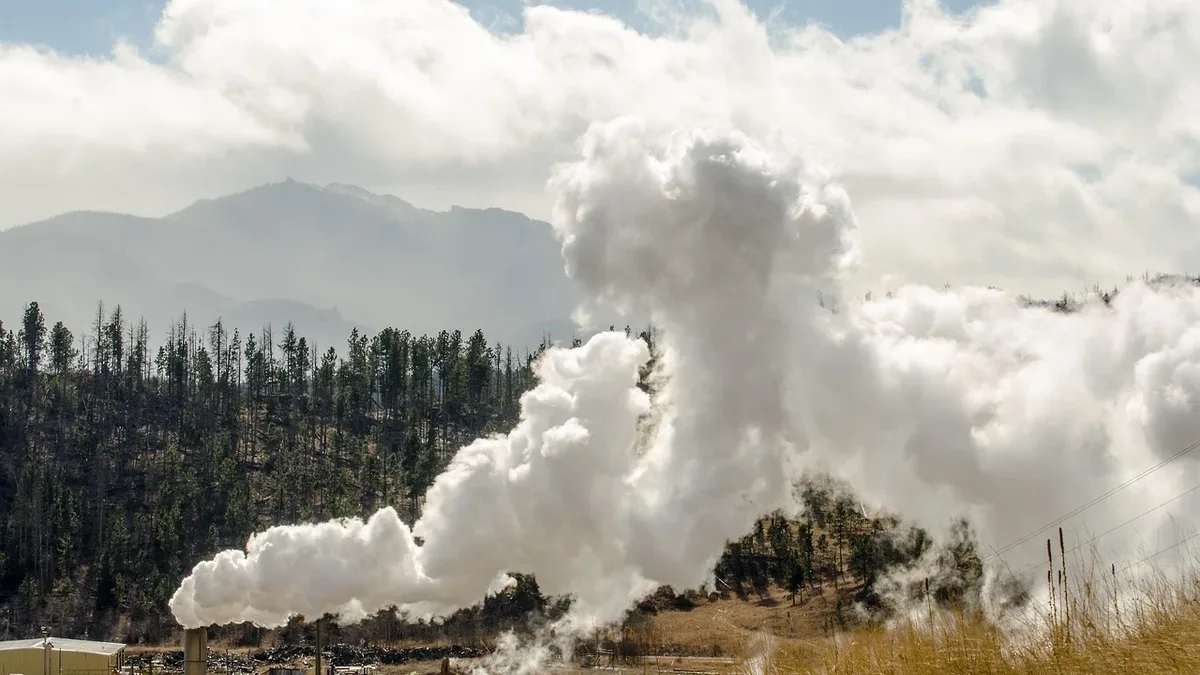
High-Heat Tool in Utah Hephae Energy
Technology’s new rod-shaped tracker was first used commercially at Fervo Energy’s Cape Station, the largest next-generation geothermal project in the United States. The device sits inside a drill pipe and sends data wirelessly to operators above, helping them steer the drill and measure rock conditions. The system was deployed earlier this year and has since been used there on several additional occasions, according to CEO Steve Krase.
Conventional tools are rated for about 175℃ (347 °F), the typical temperature of oil and gas reservoirs. Geothermal wells, however, can exceed 200℃, and the higher the temperature, the more energy can be extracted. When the temperature climbs above the tool’s limit, operators must pause drilling to cool the fluid, a non-productive period that can cost $500,000 to $1 million per well, Krase said.
Hephae’s design can handle temperatures up to 210℃, reducing the need for cooling breaks. The company tested the technology at an Oklahoma facility and in Texas on a high-temperature gas well before shipping it to Cape Station. The tool’s sensors and circuit boards are stacked like chips in a Pringles can, and they transmit data through pressure pulses.
Funding and Expansion
Hephae raised nearly $18 million in venture capital in July to build more tools for geothermal developers. Seven startups have secured $393 million in total venture investment since 2021 to develop drilling systems for geothermal power, according to Cleantech Group. Quaise Energy recently raised $134 million to advance rock-melting technology and build its first plant near Oregon’s Newberry Volcano.
| Company | Funding Raised |
|---|---|
| Hephae | $18 million |
| Quaise Energy | $134 million |
| Total (7 startups) | $393 million |
Hephae plans to triple its tool inventory from six to 18 by the second quarter of next year, with a projected reach of 40 tools by the end of 2027 as Fervo, Mazama Energy and other partners expand their projects.
Technical Specs and Cost Impact
The high-temperature capability of Hephae’s system directly addresses the cost hurdle that has slowed geothermal scaling. By eliminating the need for extended cooling periods, the tool can keep drilling rigs active and reduce non-productive time. The startup’s CEO said that the design directs heat away from the sensors and circuits as they operate.
Hephae is also investing in research to create systems that can withstand temperatures above 300℃, with a target launch around 2030.
Industry Context
Geothermal firms are trying to drill underground as cheaply as possible, said Stephanie Díaz of BloombergNEF. The pursuit is a rising tide that lifts all boats, as innovation spreads across the supply chain. Investors are backing component-level firms to gain exposure to the geothermal market without building a full plant.
Fervo’s Cape Station, a 500-megawatt project, is expected to be the largest next-generation geothermal plant in the world when fully online by 2028. The company’s director of drilling and completions, Elliot Howard, praised the collaboration with Hephae, noting that the high-temperature innovations could improve economics and unlock higher-energy resources.
With its new funding, Hephae aims to support the next-generation geothermal industry and help bring projects online, a partnership that could benefit both the startup and the broader clean-energy sector.
The story was reported by Canary Media, with coverage by senior reporter Maria Gallucci.
Source: Canary Media