Virginia
| Primary fuel sources | Coal, natural gas, nuclear, renewables |
|---|---|
| Transmission system operator | PJM Interconnection |
| Average annual electricity price range | Moderate |
| Peak demand season | Summer |
| Major generation constraint | Transmission capacity from West to East |
| Regulatory structure | Deregulated (choice of supplier in most areas) |
| Renewable portfolio standard target | Yes |
Overview
The Virginia electric power market operates as a regulated monopoly for most consumers but includes competitive wholesale generation and limited retail choice. The state's primary electric utilities are investor-owned companies that own and operate the generation, transmission, and distribution infrastructure serving the majority of customers. Wholesale electricity transactions are conducted through the regional transmission organization PJM Interconnection, which manages the high-voltage grid and a competitive market for power generation across Virginia and 12 other states. Retail customers, except for a small subset of large commercial and industrial users, cannot choose their generation supplier and receive bundled service from their incumbent utility. The cost of electricity for these customers is determined through rate cases before the Virginia State Corporation Commission, which approves base rates and adjusts for fuel costs. This hybrid structure results in a market where wholesale prices are set competitively but retail prices are largely regulated.
History
Virginia's modern electric market structure evolved from a century of traditional vertically integrated utility regulation. The state's electric service began in the late 19th and early 20th centuries with the formation of companies that built power plants, transmission lines, and local distribution networks as regulated monopolies. A major shift occurred in the late 1990s and early 2000s when Virginia, following a national trend, enacted legislation to restructure its electric industry. The Electric Utility Restructuring Act of 1999 opened the door for retail competition, but subsequent legislation in the early 2000s largely froze retail choice and re-established rate regulation for the dominant utilities. During this period, Virginia's utilities joined the PJM Interconnection, integrating the state's transmission system into a large regional grid in 2005. This move subjected Virginia's wholesale power generation to competitive regional market forces while preserving regulated retail rates for most customers, creating the foundational hybrid model that persists.
How it works today
Generation from power plants, including nuclear, natural gas, renewables, and coal, is sold into the PJM wholesale market, where prices are set via a complex auction process based on bids from generators and system demand. PJM continuously balances supply and demand across its footprint, directing power flows over the high-voltage transmission network to maintain reliability and economic efficiency. For most Virginians, their local utility, such as Dominion Energy Virginia or Appalachian Power, purchases this wholesale power (or generates it from its own plants) and delivers it over its distribution lines, with the bundled cost recovered through SCC-approved rates. These rates include separate charges for generation, transmission, and distribution, though they appear as a single price per kilowatt-hour on a customer's bill. Large commercial and industrial customers in certain utility territories have the option to purchase generation from competitive retail suppliers, but they still pay their local utility for the use of the transmission and distribution wires. The SCC regulates utility infrastructure investments and reviews fuel cost adjustments, making retail electricity prices a product of both regional market forces and state regulatory decisions.
Why it matters
The structure of Virginia's electricity market directly impacts the cost, reliability, and environmental profile of power for millions of residents and businesses. Participation in the PJM regional grid enhances reliability by pooling resources across a vast area, allowing Virginia to import power during local shortages and export it when there is a surplus. The wholesale competitive market is designed to procure generation at the lowest possible cost, which theoretically puts downward pressure on the fuel portion of consumer bills. State regulatory oversight of utility rates and investments governs the pace and funding of grid modernization, renewable energy integration, and resilience projects. This hybrid model also shapes the economics of new energy projects, as developers must navigate both PJM's market rules and Virginia's specific regulatory policies and mandates. Ultimately, the market design determines how the costs of the energy transition, such as building offshore wind or retiring coal plants, are allocated between shareholders and ratepayers.
Common misconceptions
A common misconception is that Virginia has a fully deregulated electricity market where all consumers can shop for a power supplier, which is not the case for the vast majority of residential customers. Another is that the wholesale market price set by PJM is the direct price paid by consumers, whereas regulated retail rates are a blended cost that includes state-approved returns on utility-owned infrastructure and other regulated charges. Some believe that adding renewable energy like solar or wind to the grid invariably makes electricity more expensive, ignoring how competitive bidding in PJM and falling technology costs can allow these resources to suppress wholesale market prices. There is also a mistaken view that the state's utilities operate in isolation, when in fact the integration into PJM means Virginia's grid reliability is deeply interdependent with the actions and outages occurring in a dozen other states. Finally, the role of the State Corporation Commission is often overlooked, though its decisions on rate cases and permitted returns on equity are a primary determinant of the final cost on customer bills.
Latest Virginia news
Latest reporting

West Virginia Announces Largest-Ever Power Investment for 3 GW Gas Capacity
Appalachian Power will invest $17 billion to build 3 gigawatts of new natural gas-fired generation by 2031, part of a $24.5 billion push for the...
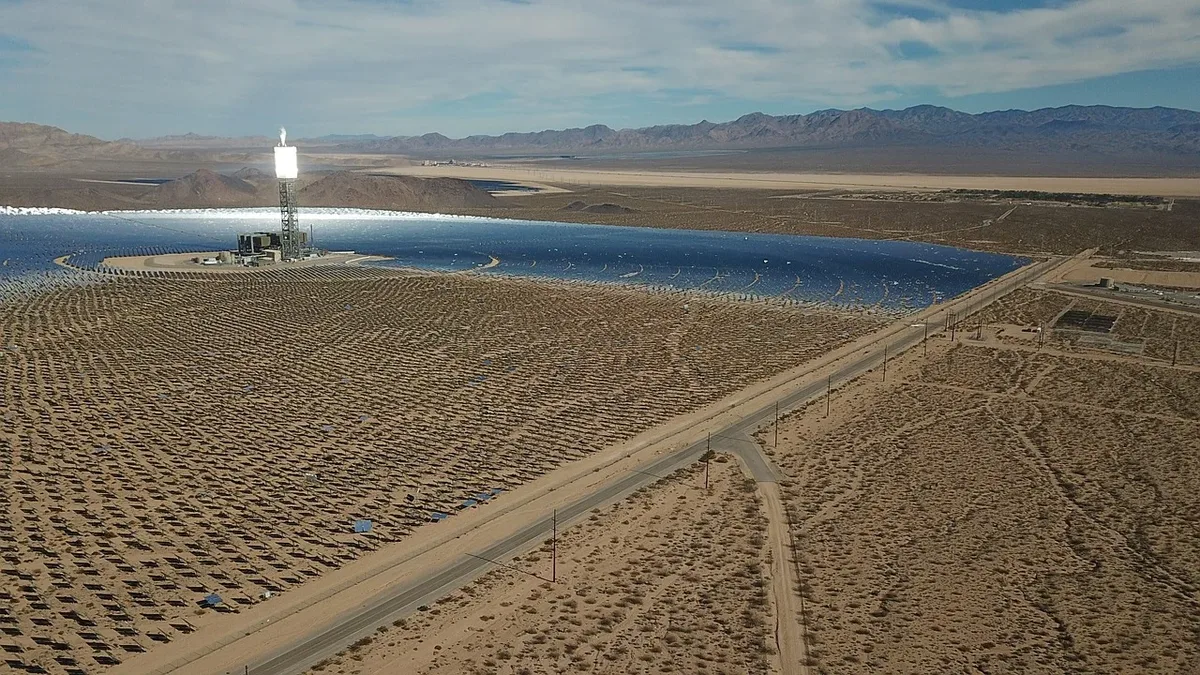
NTPC and 247Solar launch hybrid solar project for round-the-clock power
NTPC Limited has signed a 25-year power purchase agreement with Virginia-based 247 Solar to deploy a ~1MW hybrid concentrated solar power project at...
Virginia Clean Energy Plan Balances Data Center Demand
Governor Abigail Spanberger's new energy plan models four utility pathways to net-zero carbon by 2050.
Use Coalition Defines Grid Utilization as Virginia Deadline Looms
A policy paper from the Use Coalition establishes a framework for measuring grid efficiency as Virginia utilities face a 2026 deadline to submit...
Virginia Grid Utilization Law Sparks National Policy Shift
Virginia enacted the first U.S. law requiring utilities to measure grid usage and file efficiency plans by mid-October 2026.
Virginia Governor Issues Framework for Data Center Power
Virginia Governor Abigail Spanberger released a new policy framework on September 18, 2026, aimed at making electricity for data centers cleaner.