Ohio
| Regulatory body | Public Utilities Commission of Ohio (PUCO) |
|---|---|
| Primary grid operator | PJM Interconnection |
| Major generation sources | Natural gas, coal, nuclear, renewables |
| Typical residential rate | Varies by utility and plan |
| Demand profile | Summer and winter peaks |
| Transmission voltage | 138 kV, 345 kV, 765 kV |
| Renewable portfolio standard | Varies by utility |
Overview
Ohio operates within the Eastern Interconnection of the North American power grid and is part of the PJM Interconnection regional transmission organization. The state's electricity market is a complex system involving the generation of power, its high-voltage transmission across the region, and its final distribution to consumers. Ohio's energy mix has historically been dominated by coal and natural gas generation, though renewable sources like wind and solar are a growing segment. The cost of electricity for consumers is determined by a combination of wholesale market prices set through PJM auctions and regulated retail rates, leading to varied pricing across different utility service territories. This structure means Ohio's grid is deeply interconnected with those of neighboring states, relying on a centralized dispatch model to maintain reliability. Understanding this market requires examining the separate but linked components of generation, transmission, and demand.
History
The state of Ohio was admitted to the United States in the early 19th century, with its modern electrical grid developing throughout the 20th century alongside the nation's industrialization. Initially, electricity service was provided by vertically integrated, investor-owned utilities that controlled generation, transmission, and distribution within exclusive franchise territories. A significant shift began in the late 1990s when Ohio, following a national trend, enacted legislation to restructure its electricity market, aiming to introduce competition in generation. This restructuring led to the creation of a competitive wholesale market and the eventual full integration of Ohio's utilities into the PJM Interconnection in the first decade of the 21st century. The transition was designed to separate generation from transmission and distribution, with the goal of lowering costs through market forces. This period also saw the beginning of consumer choice for retail electric suppliers, though the implementation and outcomes have been subjects of ongoing policy debate.
How it works today
Today, Ohio's bulk power system is managed by the PJM Interconnection, which operates a competitive wholesale market and ensures grid reliability. Electricity generators, including utility-owned plants, independent power producers, and renewable facilities, bid their power into a day-ahead and a real-time market administered by PJM. The organization uses a least-cost dispatch model, selecting the cheapest available generation to meet demand while simultaneously managing the high-voltage transmission network to prevent congestion. Most Ohio consumers are served by investor-owned utilities that own and maintain the local distribution wires, delivering power purchased either from the wholesale market or through competitive retail suppliers. These utilities' distribution rates, along with transmission charges and generation costs, are combined to form the final price paid by residential, commercial, and industrial customers. The market structure allows large consumers and retail electric suppliers to contract directly for power, while many residential customers remain on standard service offers that fluctuate with wholesale prices.
Why it matters
Ohio's electricity market matters because the state is a major hub for transmission lines and a significant net exporter of power to other states within PJM, influencing regional grid stability and prices. The composition of its generation fleet, with heavy reliance on natural gas and coal, directly impacts regional air emissions and the pace of the energy transition. Decisions made by Ohio regulators and lawmakers on policies like renewable portfolio standards or subsidies for certain generation types have substantial consequences for investment, consumer costs, and environmental outcomes. Furthermore, the design and operation of the PJM market directly determine the wholesale electricity costs that are a large component of every Ohioan's utility bill, affecting business competitiveness and household budgets. The state's experience with electricity restructuring serves as a case study for other regions considering market-based reforms, highlighting both potential benefits and pitfalls. Understanding this system is crucial for informed policy debates on reliability, affordability, and sustainability.
Common misconceptions
A common misconception is that all Ohio consumers actively shop for and benefit from lower rates from competitive retail electric suppliers; in reality, many residential customers remain on their utility's default service, and some who switched to third-party suppliers have ended up paying higher rates than the standard offer. Another is that Ohio's grid operates independently; it is fundamentally interdependent with the entire PJM region, meaning local decisions and outages can have wide-area impacts, and Ohio cannot isolate itself from regional market dynamics. Some believe renewable energy is incompatible with grid reliability in Ohio, despite PJM successfully integrating growing amounts of wind and solar through its market mechanisms and operational procedures. There is also a mistaken view that the wholesale market price directly equals the consumer's price; the final bill includes substantial, regulated charges for transmission and distribution that are not subject to market competition. Finally, it is incorrect to assume all generation in Ohio serves only Ohio load; electricity flows freely across borders based on physics and market bids, meaning Ohio power plants routinely serve demand in other states.
Latest Ohio news
Latest reporting
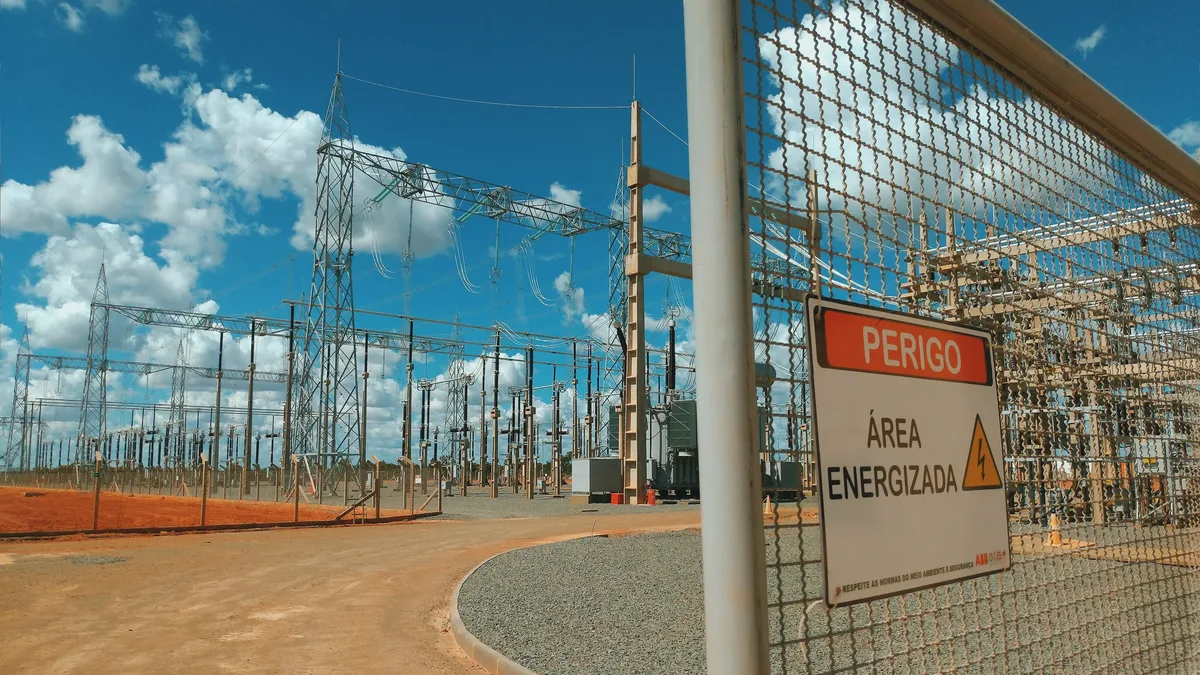
Ohio Regulators Approve AES Ohio Ownership Change with Conditions
The Public Utilities Commission of Ohio has approved a change in ownership for AES Ohio.
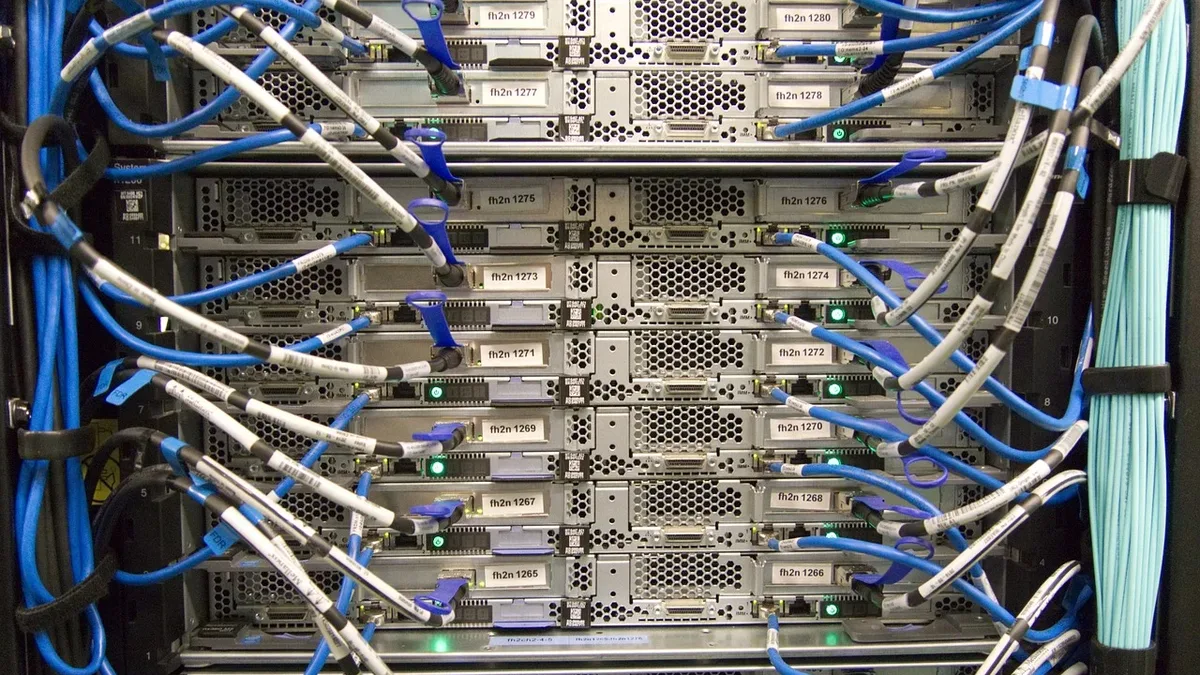
Ohio power bills rise on questionable data center forecasts
Critics challenge Ohio utilities' soaring electricity demand forecasts, driven by speculative data center projects.

Ohio Ratepayer Advocate Urges FERC Action on 2023 Complaint
The Ohio Consumers' Counsel has asked FERC to expedite a 2023 complaint alleging a lack of regulatory review for billions in local transmission...

Vance Promotes Cleveland-Cliffs Coal Project in Ohio Hometown
Vice President J.D. Vance promotes coal project in Ohio hometown.

Ohio's Largest Solar Project Faces Final Decision After 2-Year Wait
The Ohio Power Siting Board is set to make a final decision on the Oak Run Solar Project, which would bring 800 megawatts of solar and 300 MW of...