Ercot
| Name | Electric Reliability Council of Texas |
|---|---|
| Country of origin | United States |
| Original use | Manage grid reliability and facilitate wholesale electricity market |
| Primary service area | Texas |
| Grid connection | Largely isolated from other North American interconnections |
| Key market feature | Energy-only wholesale market |
| Demand profile | High peak demand driven by air conditioning load |
| Primary generation sources | Natural gas, wind, solar, coal, nuclear |
Origin and history
The Electric Reliability Council of Texas (ERCOT) is a regional grid operator formed in the United States. Its origins are tied to the interconnected power systems developed across North America in the mid-20th century. ERCOT was established in the 1970s as a voluntary organization of utilities within Texas to enhance grid reliability. This followed the major Northeast blackout of 1965, which spurred the creation of regional reliability councils nationwide. A key historical fact is that the Texas grid was intentionally built largely in isolation from the two major national interconnections, the Eastern and Western Interconnections. This structural separation was a deliberate choice by utilities to avoid federal regulation under the Federal Power Act, which applies to interstate electricity commerce. The organization evolved from a voluntary council into the independent system operator (ISO) it is today following Texas electricity market restructuring in the late 1990s and early 2000s.
What it is for
ERCOT's primary function is to ensure the reliable operation of the electric power grid for most of Texas. A core responsibility is balancing electricity supply and demand in real-time, a process known as grid balancing. It also administers the wholesale electricity market for its region, facilitating financial settlements between power generators and retail electric providers. ERCOT does not own power plants or transmission lines but directs the operation of these assets owned by various companies. It is responsible for planning for future grid needs and certifying that new generation resources are reliable and can connect to the system. Furthermore, ERCOT performs long-term assessments of system reliability and coordinates emergency procedures during periods of extreme demand or generation shortage.
Pros and cons
A primary advantage of the ERCOT system is its independence from federal regulation, which proponents argue allows for more streamlined, state-specific market rules and quicker permitting for new generation. The energy-only wholesale market design is intended to provide strong price signals for investment in new power plants during times of scarcity. A significant con is the grid's relative isolation, which limits its ability to import substantial power from other regions during major generation shortfalls, as evidenced during the February 2021 winter storm. The market's design has been criticized for sometimes failing to ensure sufficient investment in reliable generation capacity, particularly for weatherization and fuel assurance. Consumers on variable-rate retail plans can experience extreme price volatility and regret their choice during scarcity events when wholesale prices hit the regulatory cap. A common mistake is overlooking the systemic risk of correlated failures, where extreme weather can simultaneously cripple demand, natural gas supply, and wind and thermal generation.
Who it suits
The ERCOT market structure suits power generators and investors who are comfortable with significant price volatility and who can capitalize on high prices during scarcity events. It suits large, flexible industrial consumers who can participate in demand response programs and benefit from lower average energy costs by reducing usage during peak times. The system suits retail electric providers who compete aggressively on price and plan offerings in a largely deregulated retail market. It is less suited for consumers who prioritize predictable electricity bills above all else, as they must actively seek out fixed-rate plans and understand complex contract terms. The model suits policymakers and regulators in Texas who prioritize state control over electricity policy and resist federal oversight. It does not suit those who believe in a more centrally planned capacity market or who advocate for a greater degree of interconnection with neighboring grids for resilience.
Latest Ercot news
Latest reporting
Soluna completes 83 MW Kati 1, secures ERCOT Base Load classification
Soluna has finished building its 83 MW Kati 1 facility in Texas and secured conditional Base Load classification from ERCOT.
Texas data centre demand could raise ERCOT peak by 125%
A panel at Datacloud USA heard that an audit of interconnection requests estimates 205GW of credible data centre demand.
Texas Grid Reliability Improves with Renewables and Storage
Record levels of renewable energy and battery storage have enabled the Texas grid operator ERCOT to avoid issuing conservation appeals during a hot...
ERCOT Delays Batch Zero Classifications
The Electric Reliability Council of Texas has postponed issuing conditional classifications for large-load projects for a second time, citing...
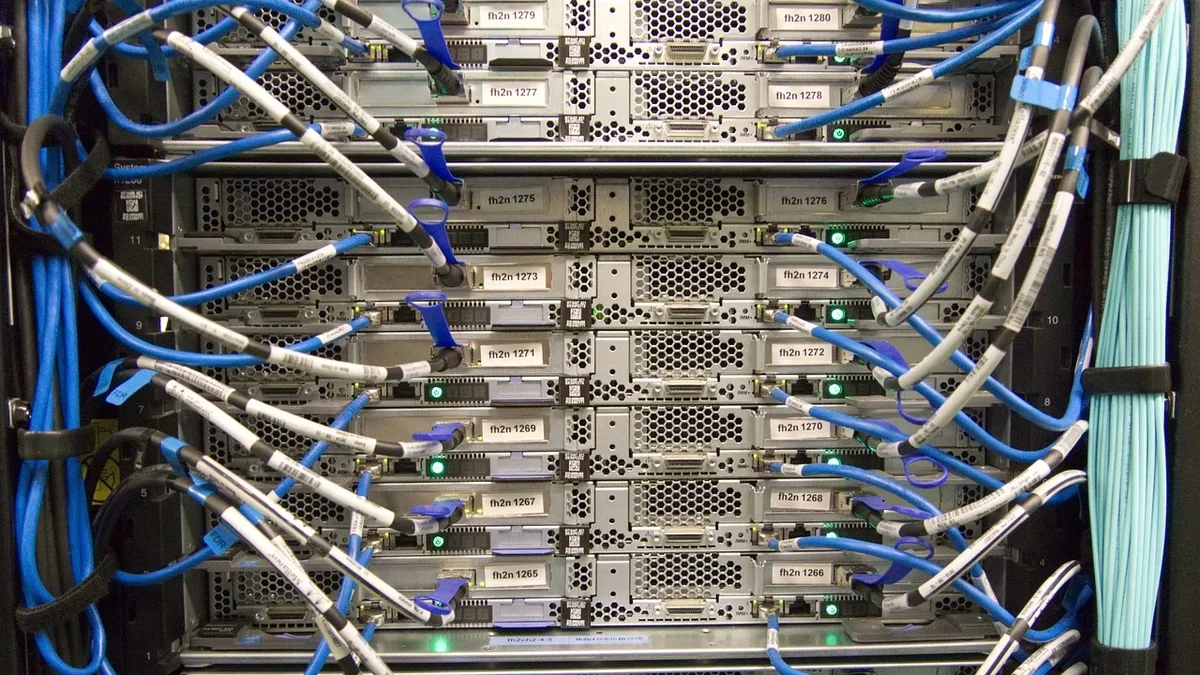
Texas Audits 474 GW Data Centre Queue
Texas Governor Greg Abbott has ordered an audit of over 474 gigawatts of data centre power connection requests to the ERCOT grid.