Texas
| Market type | Deregulated retail choice |
|---|---|
| Governing body | Public Utility Commission of Texas (PUCT) |
| Primary grid operator | Electric Reliability Council of Texas (ERCOT) |
| Transmission voltage | 138 kV and 345 kV backbone |
| Peak demand season | Summer |
| Typical generation mix | Natural gas, wind, nuclear, coal |
| Residential rate structure | Variable, fixed, indexed plans available |
Overview
The Texas electricity market is a unique wholesale power market covering most of the state, operated by the Electric Reliability Council of Texas (ERCOT). It is an energy-only market where generators are paid solely for the electricity they produce, without separate capacity payments for being available. This market design is notable for its geographic and regulatory isolation, as the ERCOT grid has limited direct interconnections with other North American grids to avoid federal jurisdiction. Prices are set by locational marginal pricing, which varies by location on the grid based on generation, demand, and transmission constraints. The market structure aims to drive investment through price signals during periods of scarcity, leading to potentially high wholesale prices during extreme weather or generation shortages. Its performance and reliability are directly tied to the balance between generation resource adequacy and the state's significant and growing demand.
History
The modern Texas electricity market originated from legislative changes in the late 1990s that restructured the state's historically regulated utility industry. The key legislation, Senate Bill 7, was passed in 1999 and mandated the creation of a competitive wholesale market and retail choice for many customers, which launched in the early 2000s. This established ERCOT, which had existed as a reliability council since the 1970s, as the independent system operator for the new market. The design choice for an energy-only market, rather than one with capacity payments, was a deliberate policy decision to keep costs low by relying on real-time price signals to incentivize new power plant construction. The grid's relative isolation has historical roots in Texas's desire to avoid interstate commerce regulations when the state's utilities first began interconnecting in the mid-20th century. This history of independence fundamentally shaped the market's structure and its subsequent operational challenges during major grid stress events.
How it works today
Generation companies bid their power into a centralized wholesale market managed by ERCOT, which uses a security-constrained economic dispatch model to select the lowest-cost resources to meet real-time demand while respecting transmission limits. The market clears every five minutes, with a settlement price calculated for thousands of specific nodes across the transmission system, reflecting the cost of delivering power to that exact location. Retail electricity providers then purchase power from this wholesale market and sell it to homes and businesses, with customers in competitive areas able to choose from various plans. Transmission and distribution remain regulated monopolies, with costs passed through to consumers separately. The system operator continuously balances supply and demand and can call for conservation or, as a last resort, implement controlled outages to prevent a catastrophic grid collapse.
Why it matters
The Texas market matters because it serves as a large-scale experiment in energy-only electricity market design, providing lessons on the trade-offs between price volatility, investment signals, and reliability. Its isolation makes it a critical case study for grid resilience, especially regarding the integration of weather-dependent renewable resources like wind and solar, for which Texas is a national leader. Decisions made in the Texas market directly affect the economy of the second-largest state in the U.S. and the lives of over 30 million people, where electricity is essential for both extreme heating and cooling demands. The market's performance during stress events, such as the winter storm in 2021, has profound implications for energy policy debates nationwide concerning resource adequacy, market design, and climate adaptation. Furthermore, its size and growth influence national trends in energy generation, commodity pricing, and the development of new technologies like battery storage. Understanding its mechanics is crucial for policymakers, investors, and consumers navigating risks and opportunities in a changing energy landscape.
Common misconceptions
A common misconception is that the ERCOT grid is completely isolated from other grids; it has several small direct current ties to neighboring regions, but these are limited in capacity and not designed for significant continuous power exchange. Another is that the entire state participates in the competitive market; areas like the city of Austin, San Antonio's CPS Energy, and parts of East Texas operate under traditional regulated utility models outside ERCOT's retail competition. Many believe the market's high prices during scarcity events translate directly to vast profits for all generators, ignoring that many plants face financial losses or physical failure during the same extreme conditions that cause those price spikes. There is also a misconception that an energy-only market is inherently less reliable than capacity markets; reliability depends on numerous factors including planning reserves, generator performance, and transmission robustness, not solely the market structure. Consumers often mistakenly think the wholesale price is their retail rate, while in reality retail providers hedge against volatility, making bills less directly tied to real-time spikes. Finally, it is incorrect to view the market as static; its rules and protocols are continually revised by stakeholders and regulators in response to past failures and new challenges.
Latest Texas news
Latest reporting
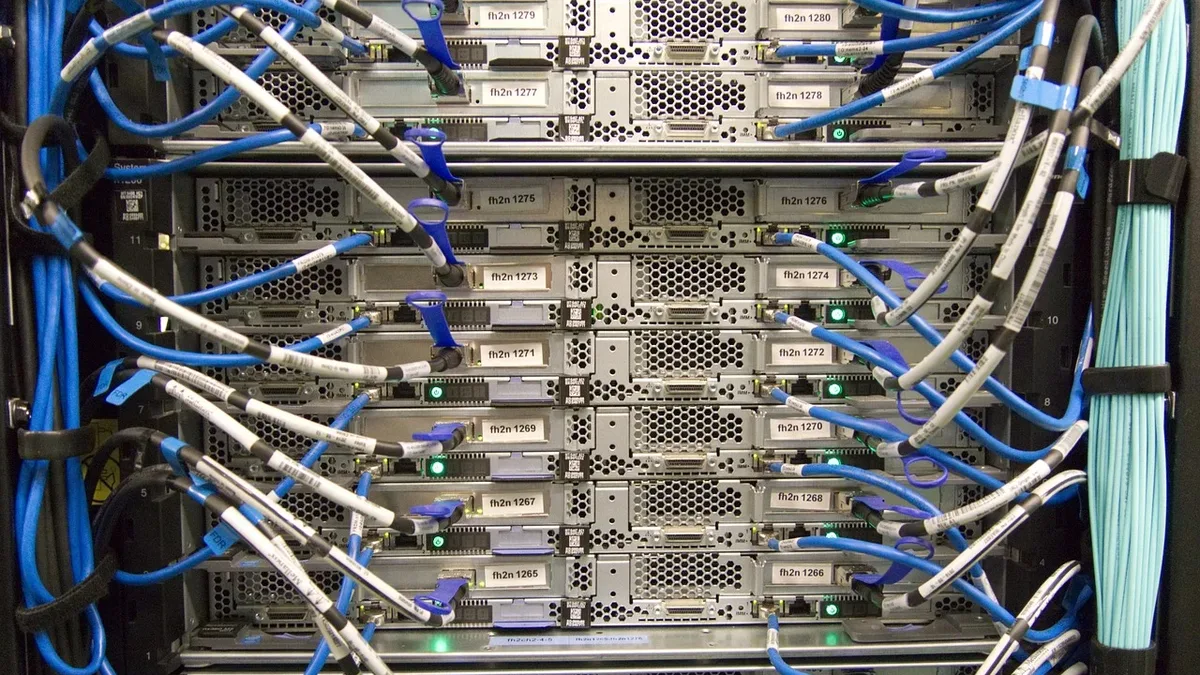
Texas Pauses Data Center Infrastructure Permits Pending
Texas environmental regulators have halted air and water permits for data center-supporting infrastructure after the governor ordered a review of...
RMI Report Details Battery Grid Benefits Amid Slowing Growth
A new RMI analysis shows grid-scale batteries cut energy costs and boosted reliability in California and Texas, while also providing local tax...

Texas PUC Softens Data Center Grid Interconnection Rules
The Texas Public Utility Commission has adopted final interconnection rules for large loads, eliminating a proposed $50,000-per-MW fee and extending
Soluna completes 83 MW Kati 1, secures ERCOT Base Load
Soluna has finished building its 83 MW Kati 1 facility in Texas and secured conditional Base Load classification from ERCOT for the full 166 MW Kati
Texas data centre demand could raise ERCOT peak by 125%
A panel at Datacloud USA heard that an audit of interconnection requests estimates 205GW of credible data centre demand, which would represent a 125%
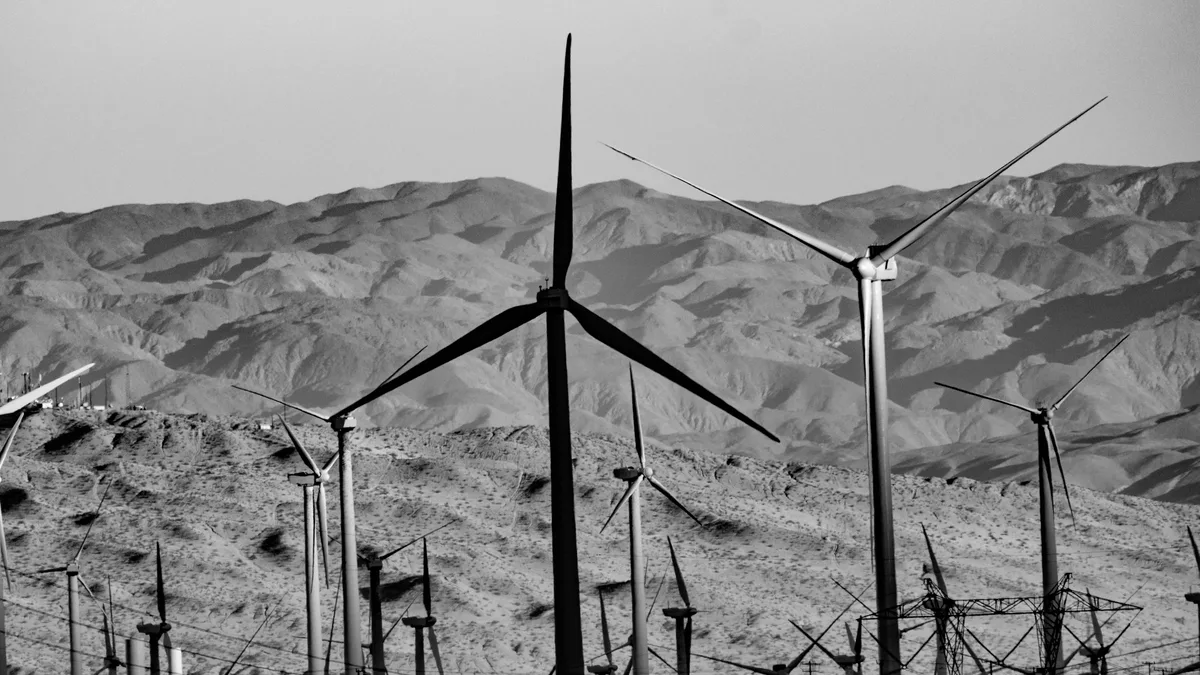
Texas Grid Reliability Improves with Renewables and Storage
Record levels of renewable energy and battery storage have enabled the Texas grid operator ERCOT to avoid issuing conservation appeals during a hot...